
Conscious Living
Conscious Shopping: What to Look for in Wool Products
Last updated:
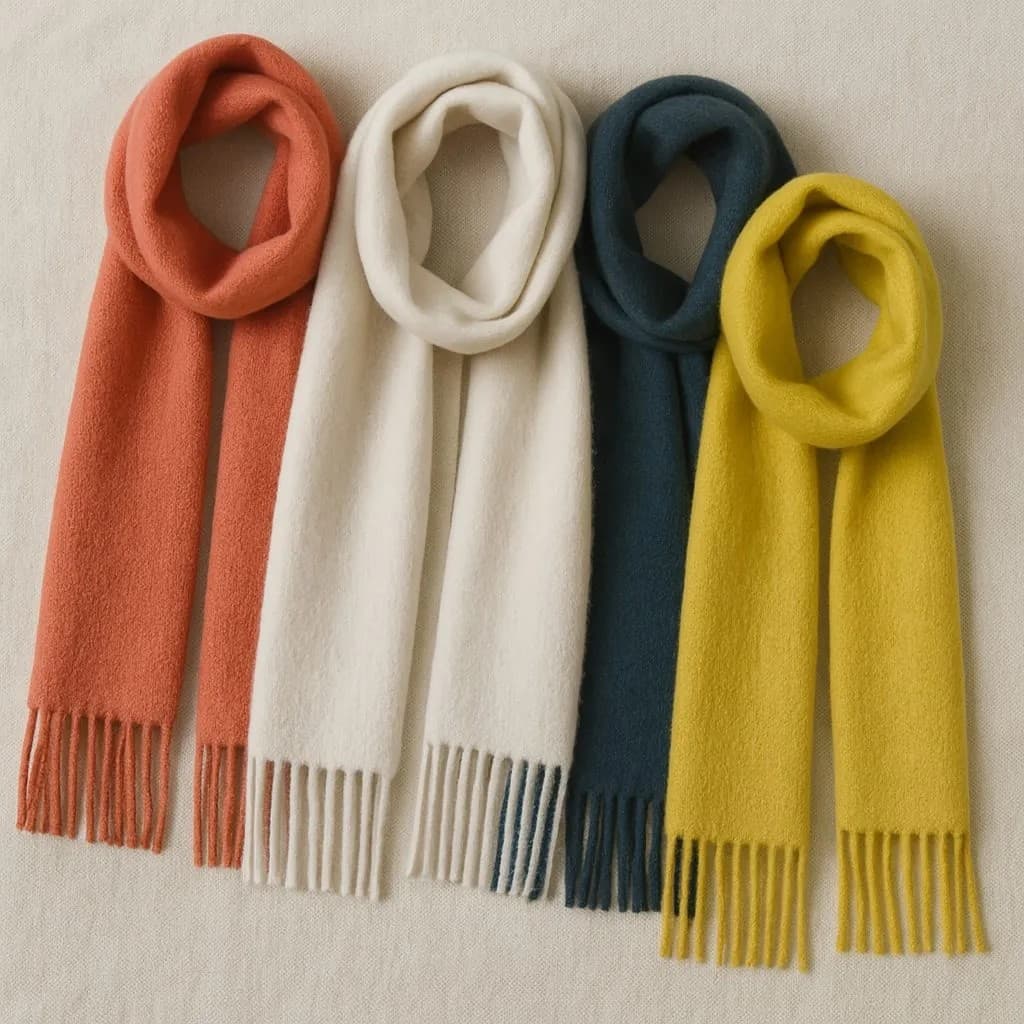
Why Does the Origin of Wool Matter So Much?
Origin determines everything: climate, breed, husbandry, and feeding of the sheep directly influence wool quality. Wool from high-mountain regions — such as the Tian Shan in Kyrgyzstan — is naturally denser and warmer than lowland wool due to the extreme conditions.
How Do You Recognise Ethically Produced Wool?
Look for these five criteria:
1. Transparent supply chain — The supplier can tell you exactly where the wool comes from and who processed it. At ULU, we can trace every product back to the artisan family.
2. Animal welfare — The sheep live in species-appropriate conditions, without mulesing and with adequate grazing land. In Kyrgyzstan, herds roam freely on the jailoos (high pastures).
Sheep on Kyrgyz high pastures walk up to 15 kilometres daily — you can hardly get more humane than that.
3. Fair pay — Herders and artisans receive a fair price above the local market rate.
4. Natural processing — No use of aggressive chemicals in cleaning or dyeing. Traditional methods use plant-based substances such as walnut shells or wild indigo.
5. Durability — True quality wool lasts years, not seasons. A well-made wool scarf actually becomes softer over time.
From the Hive
Honey knowledge the supermarket skips
Twice a month: varietals, harvest, origin. Plus 10% off your first order.
10% off your first order · No spam. Unsubscribe anytime.
What Is the Difference Between Felt and Woven Wool?
Felt is created through wet felting — the wool fibres are matted under moisture and pressure so intensely that a dense, tear-resistant textile is formed. Woven wool retains its fibre structure and is lighter and more fluid. Both have their strengths: felt for robust products like shoes and carpets, woven wool for scarves and lighter textiles.
Is the Higher Price for Handmade Wool Products Worth It?
Yes — for three reasons: First, they last longer and need to be replaced less often. Second, you directly support artisan families and their traditions. Third, you avoid the hidden costs of cheap alternatives: pollution, animal suffering, and exploitation in the supply chain.
Share
Sheep on Kyrgyz high pastures walk up to 15 kilometres daily — you can hardly get more humane than that.
Wool from high-mountain regions is naturally denser and warmer than lowland wool due to the extreme conditions.
A well-made wool scarf actually becomes softer over time, rather than wearing out.
Frequently Asked Questions
High-quality wool feels soft, does not scratch, and has a natural sheen. Pay attention to fibre thickness (the finer, the softer) and origin — highland wool is generally denser and warmer.
Wool is one of the most sustainable natural fibres: it is biodegradable, renewable, and extremely durable with proper care. However, the husbandry of the sheep and the type of processing are crucial factors.
Hand wash in lukewarm water with a mild wool detergent. Do not wring — instead roll in a towel and dry flat. Felt products can be wiped with a damp cloth.

Jamilia
Autorin, ULU Magazin
Jamilia schreibt über kirgisisches Handwerk, Honig und die Geschichten hinter den Produkten. Aufgewachsen in Zentralasien, lebt sie zwischen Bischkek und Berlin.
Related Articles
The Makers
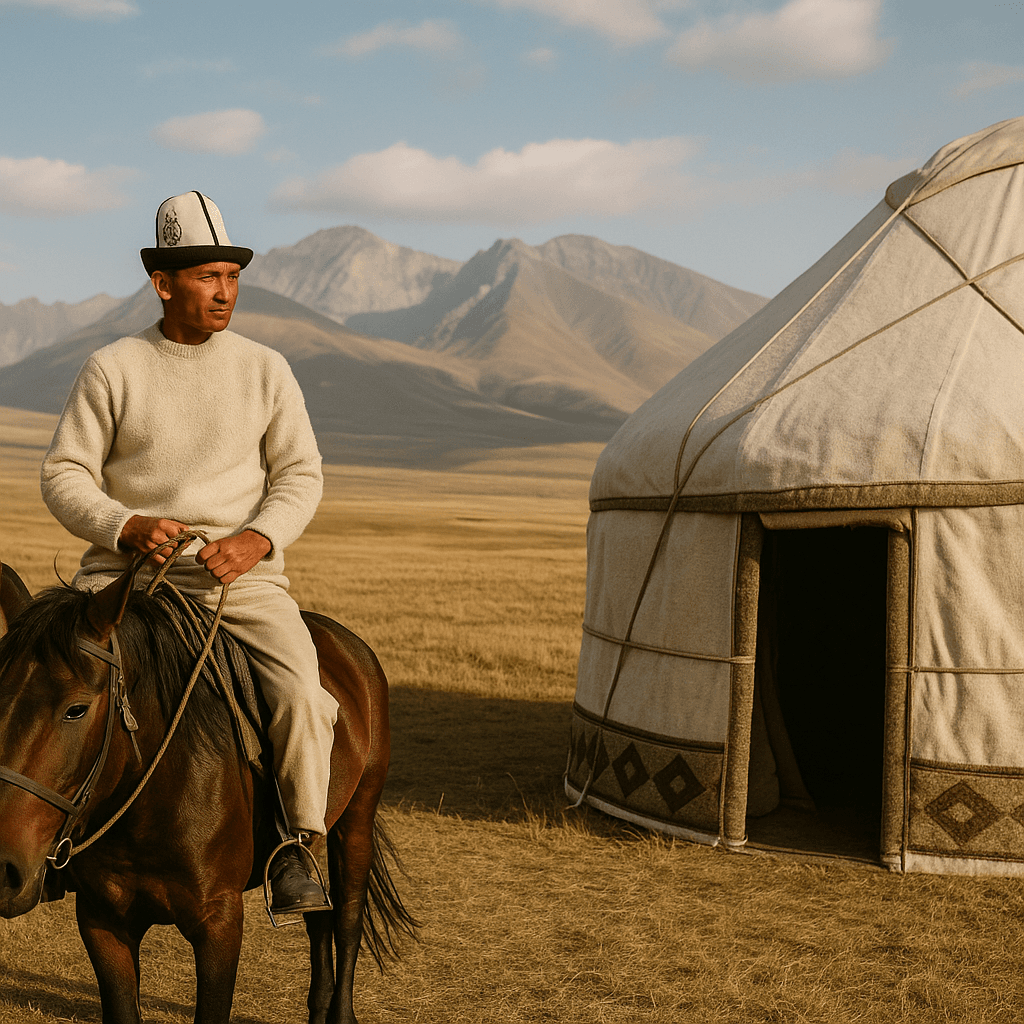
Who Makes Our Felt Slippers? A Visit to Gulnara in Naryn
In a small workshop in Naryn, Gulnara has been making felt slippers by hand for over 40 years. Her technique has been passed down from generation to generation — and today it lives in every pair of ULU Ballerinas. A visit to the master craftswoman.
The Land
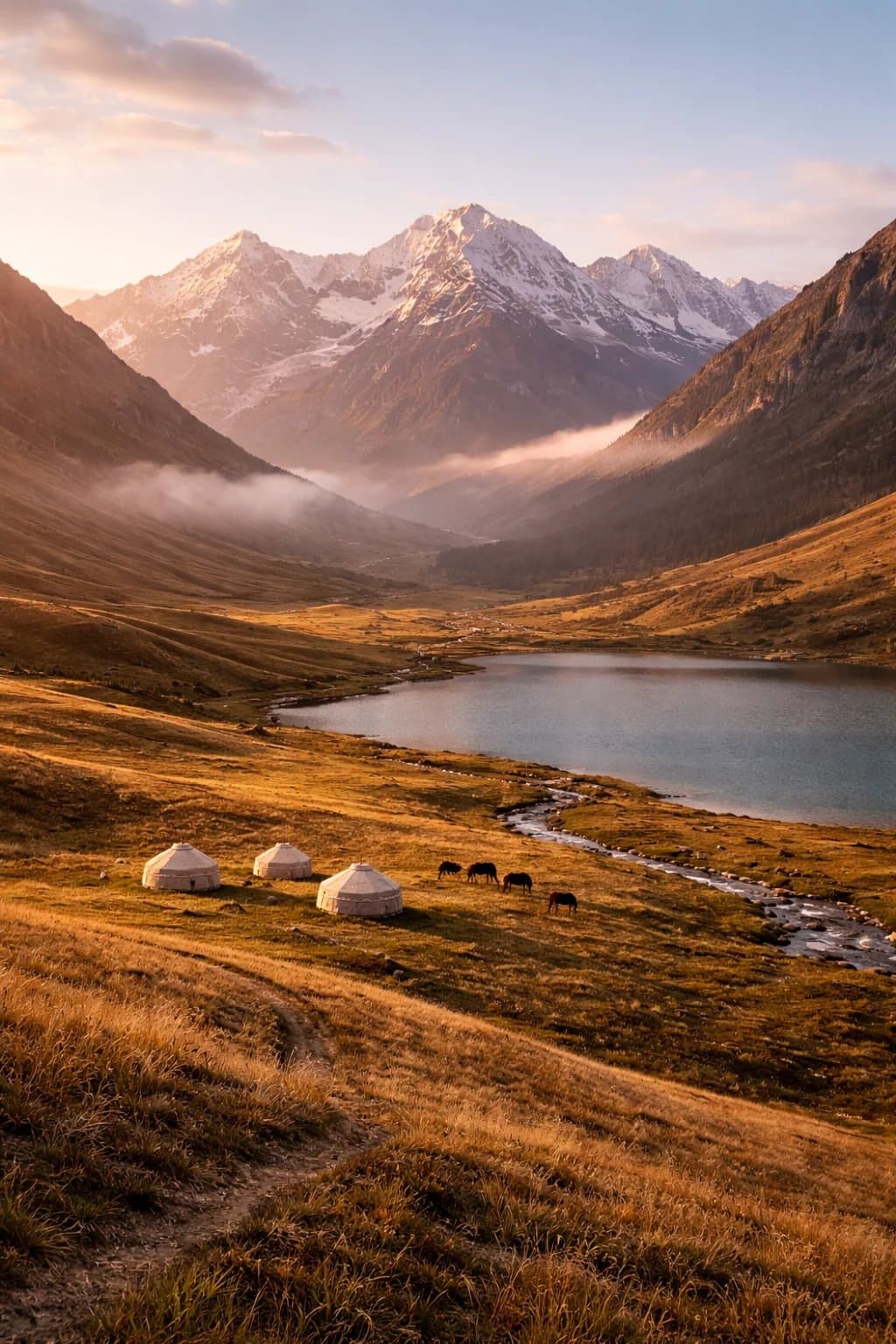
Kyrgyzstan — The Land Behind Our Products
Kyrgyzstan lies at the heart of Central Asia — a land of towering mountains, endless steppes, and a vibrant nomadic culture. This is where the materials and artisan traditions that define ULU come to life.

Conscious Living
Honey and Gut Health: What Current Research Actually Shows
Research into honey and gut health is growing rapidly — but the headlines often outrun the actual findings. Here is what the studies say, and what they do not.
From the Hive
Honey knowledge the supermarket skips
Twice a month: varietals, harvest, origin. Plus 10% off your first order.
10% off your first order · No spam. Unsubscribe anytime.