
The Makers
Who Makes Our Felt Slippers? A Visit to Gulnara in Naryn
Last updated:
How Is a Hand-Felted Shoe Made?
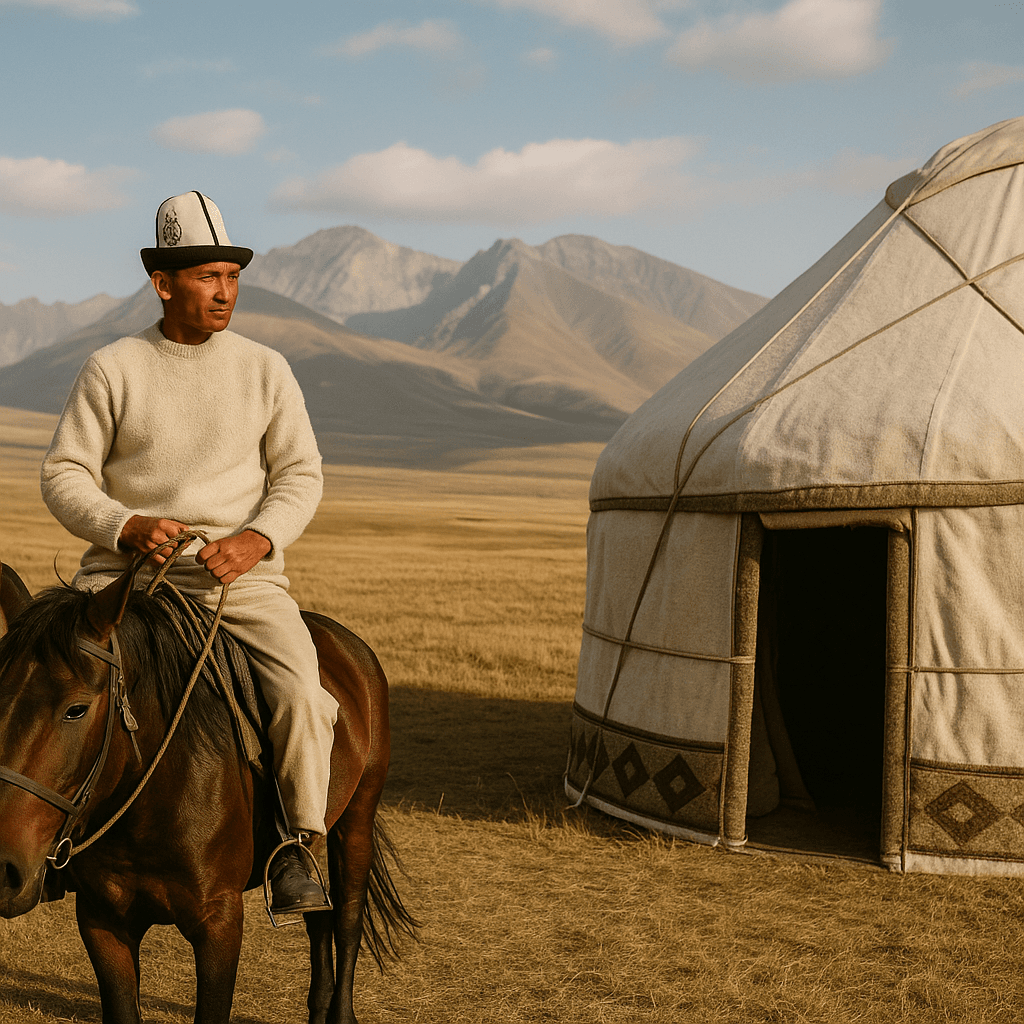
Felting is one of the oldest textile techniques in the world. In Kyrgyzstan, this art holds a special significance — here, felt has been used for thousands of years to make yurts, rugs, and clothing. Gulnara has mastered every phase of the process: from washing the raw wool to the final shaping.
The process begins with selecting the wool. Only wool from sheep that graze on the highland plateaus above 2,500 metres has the right density and softness. Gulnara checks every batch by hand.
Why Is Kyrgyz Mountain Wool So Special?
The sheep in the Tian Shan mountains develop an exceptionally dense fleece to withstand the extreme temperatures — from minus 30 degrees in winter to plus 35 degrees in summer. This natural adaptation makes their wool temperature-regulating and antibacterial.
Every pair of felt slippers contains the work of at least three artisans and two full days of pure handwork.
From the Hive
Honey knowledge the supermarket skips
Twice a month: varietals, harvest, origin. Plus 10% off your first order.
10% off your first order · No spam. Unsubscribe anytime.
What Makes ULU Felt Slippers Different from Industrial Alternatives?
Industrial felt slippers are machine-pressed — fast, but without soul. Gulnara's slippers undergo a multi-day process: the wool is wet-felted, shaped, dried, and finally edged with velvet. The result is a shoe that moulds to the foot, rather than the other way around.
How Is the Craft Passed On to the Next Generation?
Gulnara's daughter Aizhan has been learning in the workshop for five years. "At first I just watched," she says. "Then I was allowed to wash the wool. Now I am shaping my first pairs on my own." At ULU, passing on knowledge is not marketing — it is the foundation of our supply chain.
Share
Every pair of felt slippers contains the work of at least three artisans and two full days of pure handwork.
Only wool from sheep that graze above 2,500 metres has the right density and softness for felt slippers.
In Kyrgyzstan, felt has been used for over 2,000 years to make yurts, rugs, and clothing.
Frequently Asked Questions
Our wool comes from sheep that graze on the highland plateaus of the Tian Shan mountains in Kyrgyzstan at altitudes above 2,500 metres. The extreme temperatures make their wool exceptionally dense and temperature-regulating.
A pair of hand-felted ULU Ballerinas goes through a multi-day process. At least three artisans work roughly two days on a single pair — from washing the wool to the final velvet edging.
Yes, hand-felted slippers are actually more durable than machine-made alternatives. The wet-felting process compresses the wool fibres so tightly that they become extremely hard-wearing while still moulding to the shape of your foot.

Jamilia
Autorin, ULU Magazin
Jamilia schreibt über kirgisisches Handwerk, Honig und die Geschichten hinter den Produkten. Aufgewachsen in Zentralasien, lebt sie zwischen Bischkek und Berlin.
Related Articles
The Land
Kyrgyzstan — The Land Behind Our Products
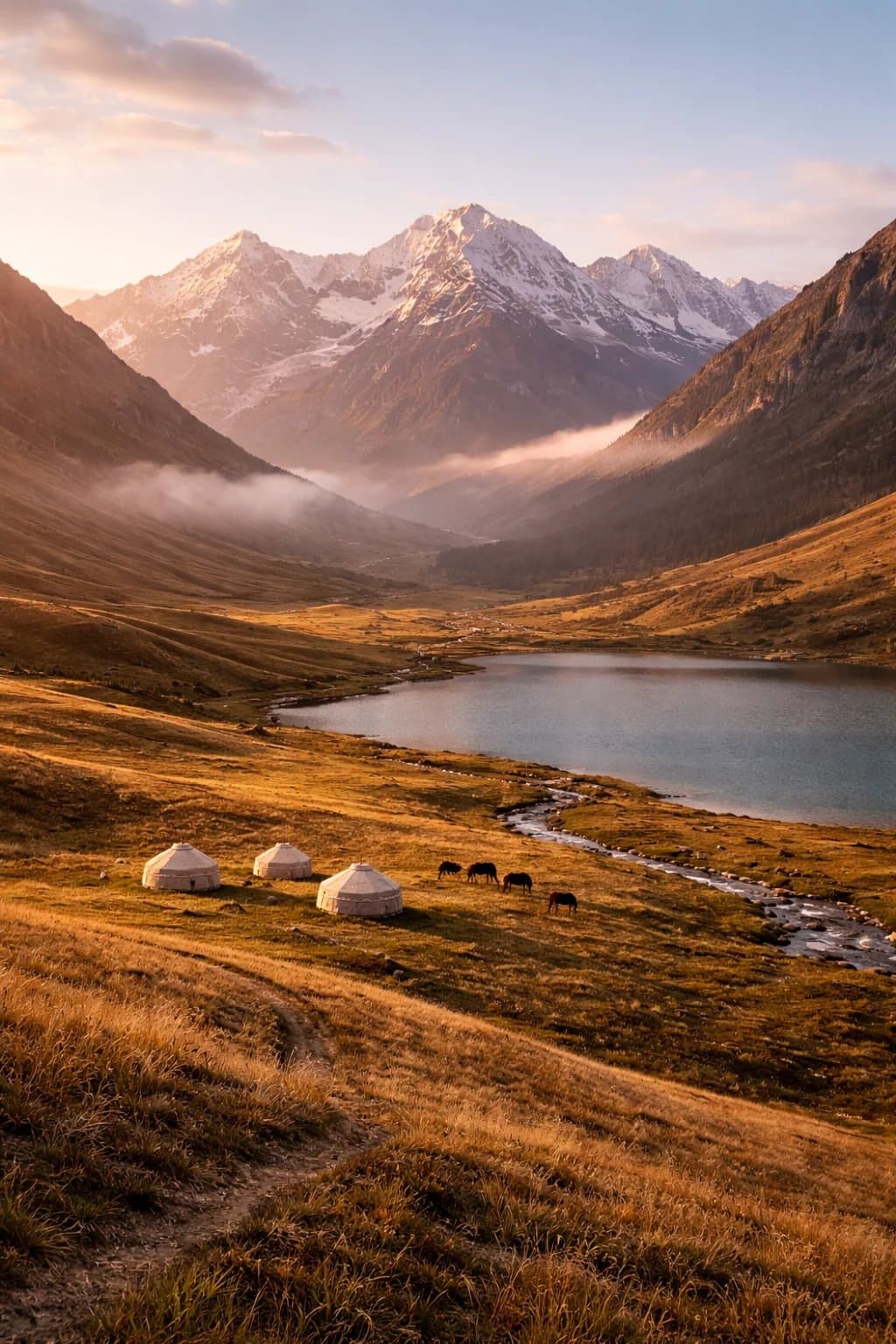
Kyrgyzstan lies at the heart of Central Asia — a land of towering mountains, endless steppes, and a vibrant nomadic culture. This is where the materials and artisan traditions that define ULU come to life.
Conscious Living
Conscious Shopping: What to Look for in Wool Products
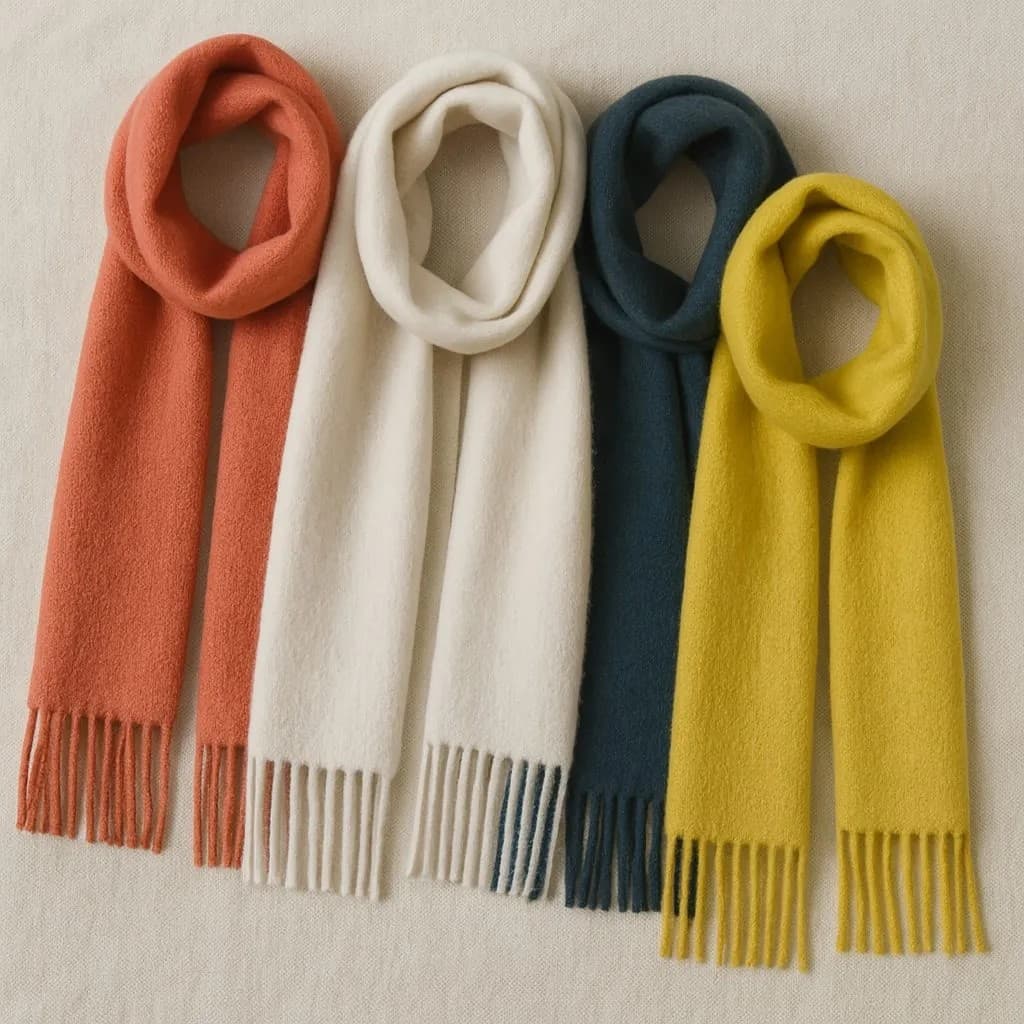
Not all wool is created equal. Conscious shoppers pay attention to origin, animal welfare, processing, and transparency. Five criteria that make the difference between fast fashion and genuine craftsmanship.
The Makers
What Is Sainfoin Honey? The Complete Guide to a Rare Honey
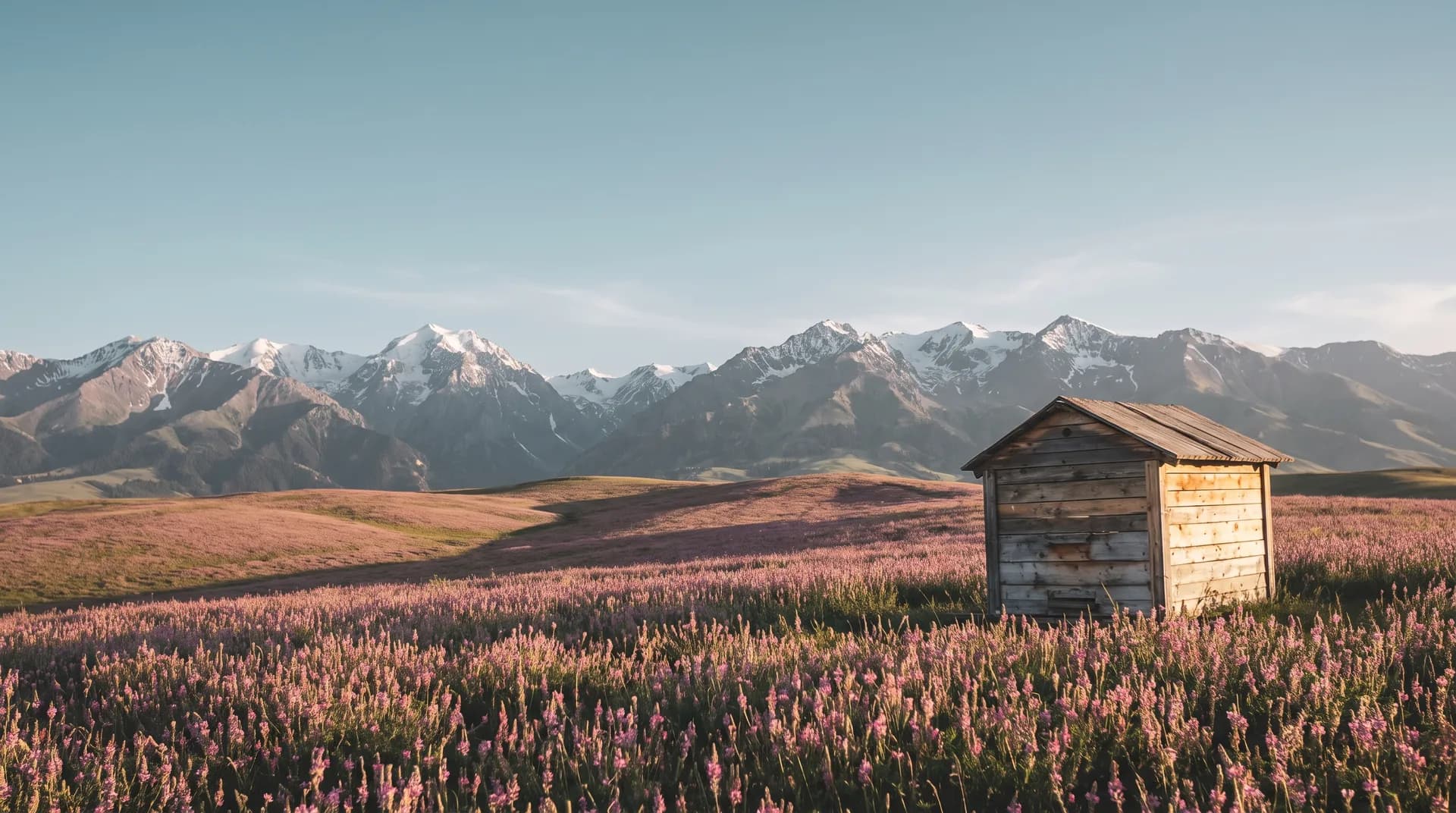
Some honeys you find in every supermarket. Then there is sainfoin honey.
From the Hive
Honey knowledge the supermarket skips
Twice a month: varietals, harvest, origin. Plus 10% off your first order.
10% off your first order · No spam. Unsubscribe anytime.