
Good to Know
Buying Sainfoin Honey: The Connoisseur's Guide
What Is Sainfoin Honey?
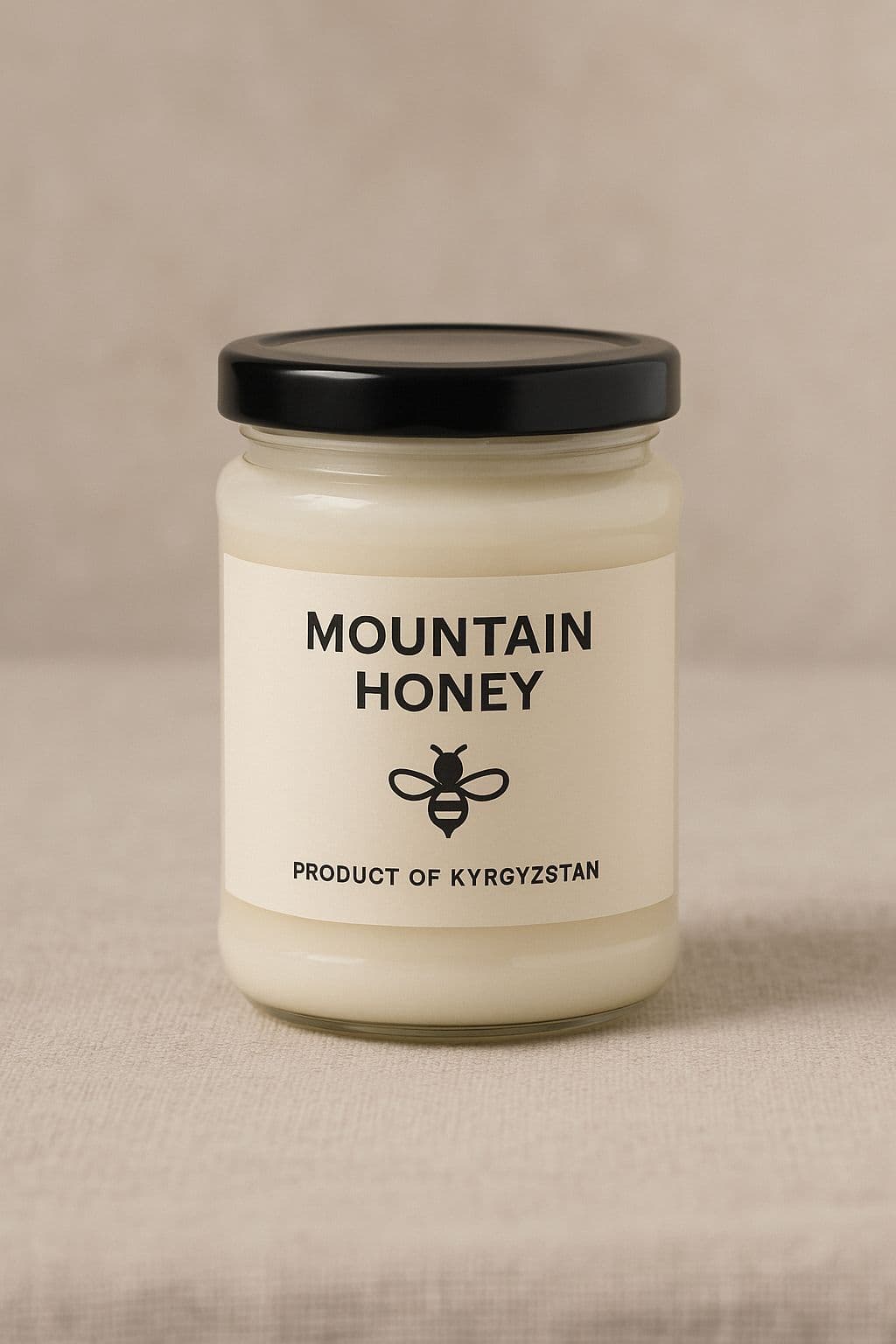
Sainfoin honey is a monofloral honey from the nectar of the sainfoin plant — a legume with pink-red flowers growing at altitudes between 1,800 and 3,000 meters. Its fructose-glucose ratio of 0.79 causes rapid, fine crystallization and the characteristic white color.
The best quality comes from mountain regions with pesticide-free alpine meadows. Kyrgyzstan, with 94% mountain terrain, is one of the purest honey locations in the world.
Where Does the Best Sainfoin Honey Come From?
Kyrgyz beekeepers won three gold medals at the 2013 Apimondia World Beekeeping Congress in Kyiv. ULU sources its honey from four regions of the Tian Shan, at 2,400 to 3,500 metres.
From the Hive
Honey knowledge the supermarket skips
Twice a month: varietals, harvest, origin. Plus 10% off your first order.
10% off your first order · No spam. Unsubscribe anytime.
How to Identify Real Sainfoin Honey
- Color: Pearl-white to ivory after crystallization
- Consistency: Fine-creamy, spreadable — never liquid
- HMF value: Under 15 mg/kg (DIB standard). Under 10 for premium quality.
- Aroma: Mild-floral with walnut and vanilla notes
- Origin label: Specific country, region and beekeeper — not "blend of EU and non-EU"
What Does Sainfoin Honey Cost?
| Quality Level | Price 250g | Characteristics |
|---|---|---|
| Supermarket blend | €3–6 | Mixed, heated, filtered |
| Organic sainfoin | €10–18 | EU organic, often lowland |
| Direct import mountain | €15–25 | Unpasteurised, specific origin |
| Manuka UMF 10+ (comparison) | €30–50 | MGO-based, New Zealand |
Sainfoin Honey vs. Manuka: Which to Buy?
| Dimension | Manuka | Sainfoin Honey |
|---|---|---|
| Mechanism | Methylglyoxal (MGO) | H₂O₂ + polyphenols |
| Price 250g | €30–120 | €23–40 |
| Scientific studies | 1,000+ | 5–10 (strong results) |
| Apimondia awards | Multiple (NZ) | Silver 2019 (Montreal); Kyrgyz beekeepers 3× gold 2013 (Kyiv) |
| Fraud risk | ~30% EU imports adulterated | Very low |
Sources
Share
Kyrgyz beekeepers won three gold medals at the 2013 Apimondia congress in Kyiv.
Comparable antioxidant profile to Manuka at 30–60% lower price.
Frequently Asked Questions
In a dark place at 15–22°C, tightly sealed. Not in the refrigerator. Keeps for at least two years.
Yes — and that's a quality marker. The fructose-glucose ratio of 0.79 promotes fine crystallization.
Not better — different. Manuka works via MGO (antibacterial). Sainfoin works via H₂O₂ and polyphenols (antioxidant).
1–2 teaspoons daily. Pure, in tea (under 40°C), or with cheese and bread.
Yes, EU-certified organic sainfoin honey is available in shops. ULU honey is not organic-certified.

Jamilia
Autorin, ULU Magazin
Jamilia schreibt über kirgisisches Handwerk, Honig und die Geschichten hinter den Produkten. Aufgewachsen in Zentralasien, lebt sie zwischen Bischkek und Berlin.
Related Articles
Good to Know
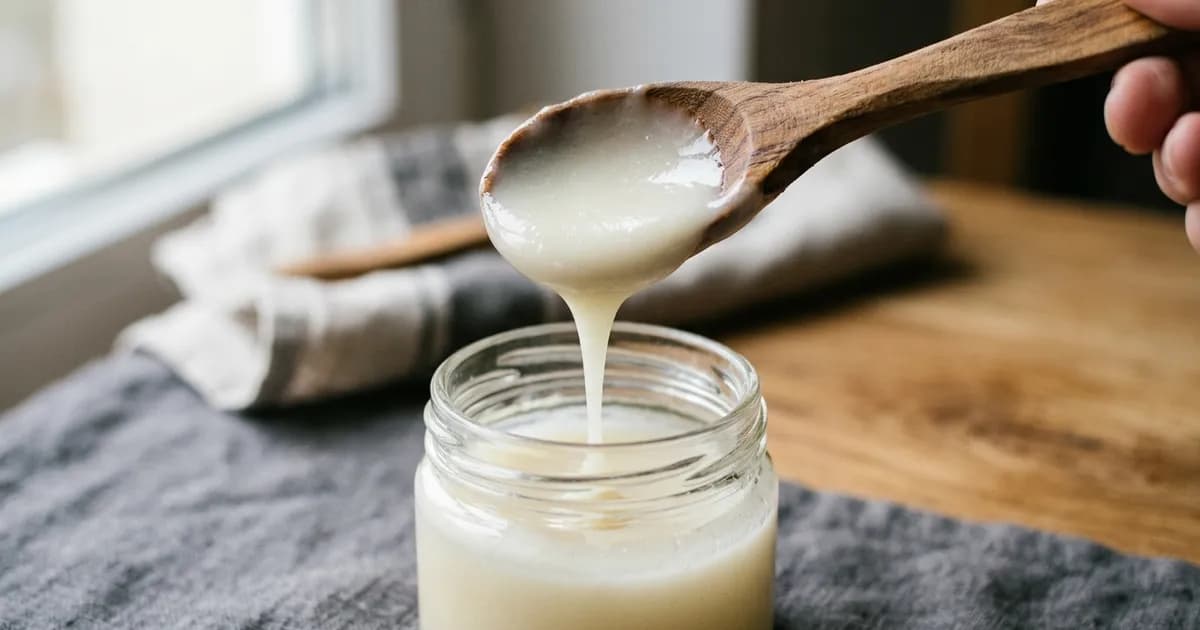
Sainfoin Honey Effects: What's Really Behind the White Honey?
The wellness industry sells every honey as a miracle cure. Sainfoin honey deserves a sober look: What does research say, what does tradition say, and where does solid evidence end?
The Makers
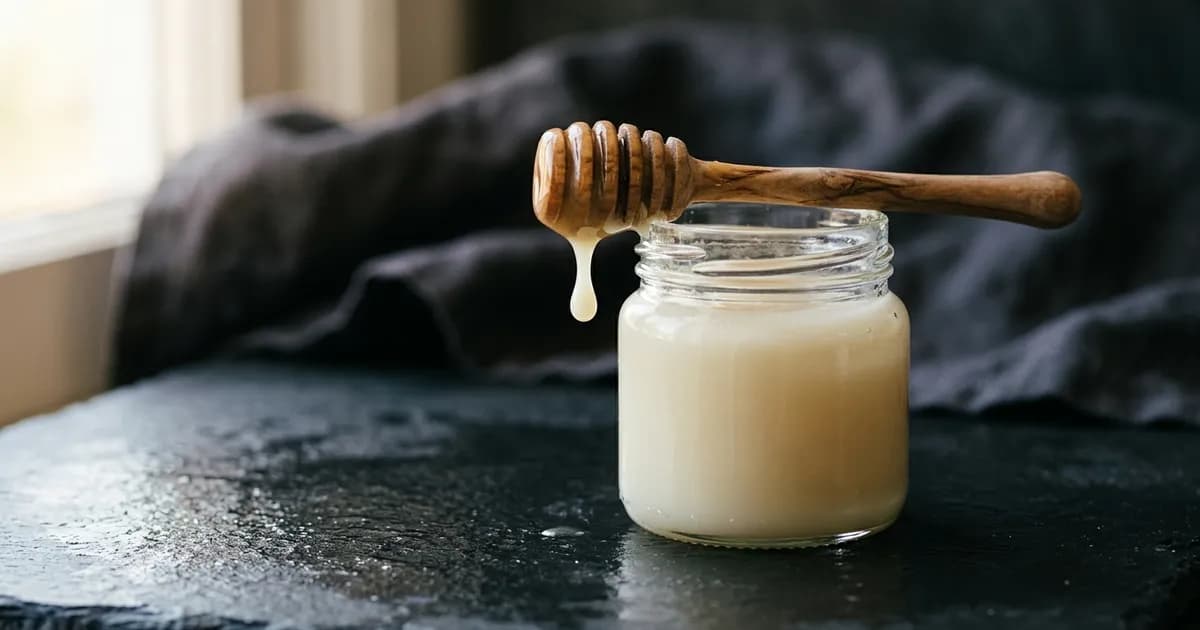
White honey: what it is, where it comes from and where to buy it
White honey is honey whose glucose has crystallised into very fine crystals. The crystals reflect light, which is why it looks creamy white. Which varieties do this, where they come from and how to recognise good white honey.
Good to Know
How to Tell Good Honey from Industrial Blends: 5 Signs That Matter
Most honeys in the supermarket look identical: golden yellow, liquid, mild. What the label does not tell you: where the honey actually comes from and how it was processed.
From the Hive
Honey knowledge the supermarket skips
Twice a month: varietals, harvest, origin. Plus 10% off your first order.
10% off your first order · No spam. Unsubscribe anytime.