
Conscious Living
Washing & Caring for Felt Ballet Flats — A Guide
Last updated:
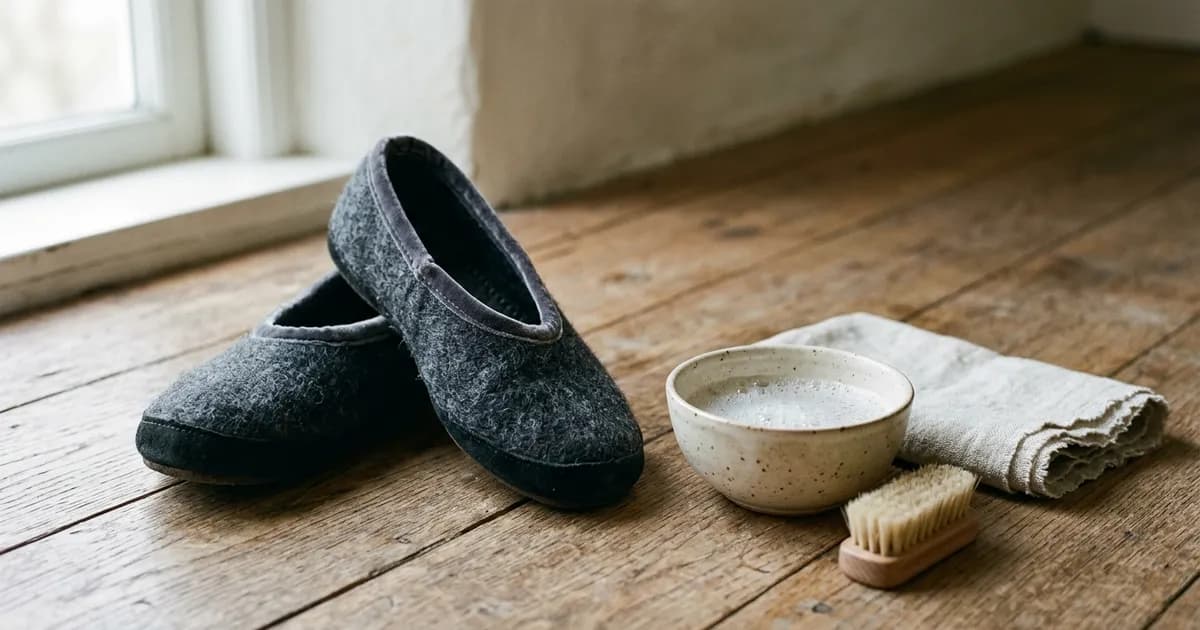
Hand-felted ballet flats made from mountain wool don't behave like a factory product. And that's a good thing. Anyone who understands how real wool works adds years to the life of their flats — with very little effort.
This guide explains how to wash, dry, care for, and store felt ballet flats properly. The most important sentence first: Never in the washing machine. Everything else we'll walk through step by step.
In Brief
Washing felt ballet flats works by hand-washing only, in lukewarm water with a wool detergent. Machine cycles shrink natural felt and destroy the fibre structure for good. Hand-felted flats from mountain wool — like ULU's Steppe Ballerinas, made by Gulnara in Kyrgyzstan's Naryn Province — largely clean themselves thanks to the natural properties of wool: regular airing is often enough. A deep clean is only needed for stubborn stains.
Why Hand-Felted Flats Are Different
Your drugstore slippers were pressed by a machine in 40 seconds. Gulnara's flats take 4 to 6 hours — layer by layer with bare hands, from untreated mountain wool from Kyrgyzstan.
That difference isn't just a story. It matters physically.
Industrially made felt is often stabilised with binders. Hand-felted highland wool, by contrast, keeps its original fibre integrity: the scales of the wool fibres are still intact, the natural fatty acids (lanolin) still present. It's exactly these properties that make the material so robust — and so sensitive to the wrong care.
What mountain wool can do that other materials can't: Natural wool regulates moisture, holds back odours, and has a certain self-cleaning ability. Understand why that's so, and you'll also understand why you don't need to wash constantly.
The wool fibre is built like a pine cone — with scales that open and hook together under heat and movement. That's felting. A machine wash with a spin cycle produces exactly that combination of heat, moisture, and friction — and the result is an irreversibly shrunken shoe.
From the Hive
Honey knowledge the supermarket skips
Twice a month: varietals, harvest, origin. Plus 10% off your first order.
10% off your first order · No spam. Unsubscribe anytime.
Step by Step: Washing Felt Ballet Flats
Hand-washing for stubborn stains or after heavy use over the season — here's how to do it right.
What you'll need:
- A bowl or sink
- Lukewarm water (max. 30°C)
- A mild wool detergent (e.g. Perwoll Wool & Delicates)
- A soft towel
- Newspaper or shoe trees
Step 1: Dry pre-clean
Brush loose dirt, hair, and dust fluff off the surface with a soft clothes brush — before you use a single drop of water. Dry soiling can usually be removed completely while dry.
Step 2: Prepare lukewarm water
Fill a bowl with lukewarm water (max. 30°C). Add a teaspoon of mild wool detergent and stir briefly. No hot water — it opens the wool fibres and loosens the felted bond.
Step 3: Spot-treat or soak briefly
For individual stains: dip a soft cloth in the solution and dab the affected spot gently — no rubbing. For a full wash, immerse the flats for 2 to 3 minutes at most. No longer: swollen fibres lose their shape stability.
Step 4: Rinse thoroughly
Rinse the flats under clear, lukewarm water until no more detergent runs out. Detergent residue can dry out the wool fibres over time.
Step 5: Press the water out gently
Never wring or twist. Lay the flats in a towel and press the water out softly. The towel takes up most of the moisture without deforming the felt.
Step 6: Reshape and dry
Pull the flats back into their original shape right after washing. Stuff the inside with newspaper or kitchen paper — this speeds up drying and holds the shape. Dry them flat in a well-ventilated place at room temperature.
Step 7: Don't dry them too fast
No drying on the radiator. No direct sunlight. Both make the felt brittle and destroy the fibre structure for good. At normal room temperature with good ventilation, the flats are fully dry after 12 to 24 hours.
Everyday Care — Dos & Don'ts
| Do | Don't |
|---|---|
| Air them regularly | Washing machine — even on the wool programme |
| Brush dry with a soft brush | Tumble dryer |
| Dab small stains immediately | Direct sunlight while drying |
| Stuff with newspaper while drying | Bleach or regular liquid detergents |
| Store cool and dry | Drying on the radiator |
| Use wool detergent for hand-washing | Soaking longer than 5 minutes |
How Often Should You Wash Felt Ballet Flats?
Short answer: as rarely as possible.
Wool is no cotton T-shirt. The fibre has a natural self-cleaning ability thanks to lanolin — a fatty protective substance that repels dirt and holds back odours. Every wash strips out part of that lanolin content.
Airing overnight in a cool, well-ventilated place is usually all it takes for odour care. An actual hand-wash is something healthy, regularly aired felt flats need once or twice a season — or when there's a specific stain.
Pilling — What It Is and How to Handle It
Pilling is no quality flaw. It's a sign of real wool.
When little bundles of fibre form on the surface, the wool is rubbing short fibres out and they clump together. This happens with high-quality natural wool just as it does with cheap products — and it happens a little more with hand-felted flats than with machine-compressed industrial felt, because the fibres are livelier.
What helps:
- Use an electric fabric shaver or a pilling comb — run it gently over the affected spots
- Never tear off individual pills (it pulls the fibre out further)
- A sharp disposable razor works as a stopgap
A pilling comb is standard kit for anyone caring for handmade wool products.
Odour — What Actually Helps
Wool is naturally odour-resistant. If felt flats do smell stronger at some point, airing is usually enough:
- Put the flats outside overnight (not in the rain)
- Place them in an open shoebox with a teaspoon of baking soda and leave for 12 hours
- Put a tea bag (black tea, dried) inside — an old tanner's trick that actually works
What doesn't help: perfume or shoe deodorants. These mask odours rather than neutralising them, and some solvents attack the wool fibre.
Seasonal Storage
If you're putting your felt flats away for a few months, there are a few things to keep in mind.
How to store them right:
- Let them dry completely before storing — even if they feel dry
- Stuff them with newspaper or a shoe tree to hold the shape
- Store them in a fabric bag or cardboard box — no plastic (mould risk)
- Add a lavender sachet or cedar blocks — keeps moths away, smells pleasant
- Store cool, dry, and dark — not in the cellar, not in the attic
What doesn't work: plastic bags. Wool needs air. In airtight bags, moisture builds up — and with it mould.
When to Repair, When to Replace?
Handmade felt flats are repairable. That's one of their biggest advantages over mass-produced goods.
Repair makes sense for:
- Thinned-out sole areas (can be re-felted)
- Small tears or holes
- Worn velour trim or velvet ribbon
Replace when:
- The sole is completely worn through and the protective layer is gone
- The felt tears over a large area
- Despite all care, permanent shape loss has set in
With ULU's Steppe Ballerinas, it's always worth talking to us before a pair gets thrown out. Gulnara knows her material — and sometimes re-felting is the better decision than buying new.
More on origin and craft: → Our felt ballet flats: origin & craft
Frequently Asked Questions
Can I put felt ballet flats in the washing machine?
No — not if they're made of real natural felt (felted wool). Machine cycles combine the three factors that shrink felt irreversibly: heat, moisture, and mechanical friction. Even on the wool programme the risk is too high. The exception is knitted flats made from special fulling wool (Walkwolle), explicitly made to shrink in the machine — but those aren't real felt.
How often should I wash my felt ballet flats?
Once or twice a season is enough with regular use. Airing overnight keeps the flats fresh — wool regulates moisture and holds back odours naturally. Washing more often leaches out the wool's natural lanolin and shortens the lifespan.
What do I do about bad odours in felt ballet flats?
First: air them. Wool often releases odours on its own overnight. For more stubborn smells, a small amount of baking soda helps (sprinkle a teaspoon inside, leave for 12 hours, then brush out). No shoe deodorants with solvents — they attack the wool fibre.
How do I keep my felt ballet flats from losing their shape?
The critical moments are: right after washing (always reshape immediately and stuff with newspaper) and during storage (stuffed, lying flat, in a fabric bag). Wet felt is like modelling clay — it takes on the shape it has while drying.
Can I remove stains from felt ballet flats?
Yes — often more effectively than expected. Dab fresh stains immediately with a damp cloth (don't rub). Brush dried stains dry first, then dab with a cloth moistened with wool-detergent solution. For stubborn grease stains, a little bile soap can help — let it work briefly, then dab off with clear water.
How long do hand-felted ballet flats last with good care?
With proper care — regular airing, rare washing, drying without a radiator, seasonal storage — hand-felted flats from mountain wool last many years. Gulnara's flats from Naryn Province are made from untreated highland wool, which is more robust than industrially processed wool thanks to its natural fibre structure. What was made by hand can often be repaired by hand.
Further Reading
- Felt ballet flats: origin, craft & Gulnara's story
- Felt ballet flats vs Glerups — the honest comparison
- Buying felt slippers — what really matters
- Caring for a wool scarf — the complete guide
Gulnara has been making ULU Steppe Ballerinas for over 40 years in Naryn Province, Kyrgyzstan. Every pair takes 4 to 6 hours of handwork from untreated mountain wool. Elegance doesn't end at the front door.
Share
Hand-felted flats from mountain wool are made of natural wool with intact fibre scales and a natural lanolin content — it is exactly these properties that make machine cycles so dangerous for the material.
Wool regulates moisture and holds back odours naturally thanks to lanolin — airing overnight is usually all it takes for odour care with felt ballet flats.
Wet felt behaves like modelling clay: it takes on the shape it lies in while drying — which is why felt flats must be reshaped and stuffed with newspaper right after washing.
Pilling on hand-felted wool flats is no quality flaw but a sign of real, living natural wool — industrially compressed felt looks smoother because the fibres were bound more tightly.
With proper care — rare washing, drying without a radiator, seasonal storage — hand-felted flats from mountain wool last many years and can be re-felted or repaired if needed.
Frequently Asked Questions
No — not if they are made of real natural felt (felted wool). Machine cycles combine heat, moisture, and mechanical friction and shrink felt irreversibly. Even on the wool programme the risk is too high. The exception: knitted flats made from special fulling wool (Walkwolle), explicitly made to shrink in the machine.
Once or twice a season is enough with regular use. Airing overnight keeps the flats fresh — wool regulates moisture and holds back odours naturally thanks to lanolin. Washing more often leaches out the natural lanolin and shortens the lifespan.
First, air them — wool often releases odours on its own overnight. For more stubborn smells, a small amount of baking soda helps: sprinkle a teaspoon inside, leave for 12 hours, then brush out. No shoe deodorants with solvents — they attack the wool fibre.
The critical moments are right after washing and during storage. Wet: reshape immediately and stuff with newspaper. In storage: keep them stuffed, lying flat, in a fabric bag. Wet felt takes on the shape it has while drying.
Yes. Dab fresh stains immediately with a damp cloth (don't rub). Brush dried stains dry first, then dab with a cloth moistened with wool-detergent solution. For stubborn grease stains, a little bile soap can help — let it work briefly, then dab off with clear water.
With proper care — regular airing, rare washing, drying without a radiator, seasonal storage — hand-felted flats from mountain wool last many years. Handmade pieces can be re-felted or repaired if needed — a key advantage over mass-produced goods.

Jamilia
Autorin, ULU Magazin
Jamilia schreibt über kirgisisches Handwerk, Honig und die Geschichten hinter den Produkten. Aufgewachsen in Zentralasien, lebt sie zwischen Bischkek und Berlin.
Related Articles

Conscious Living
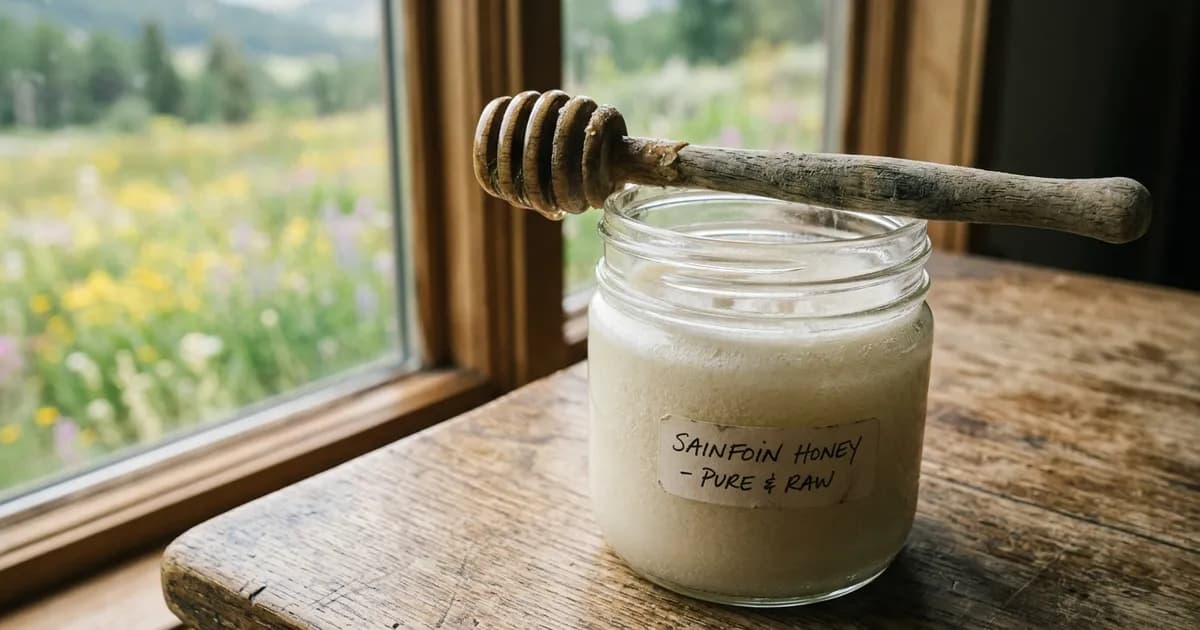
Honey and Gut Health: What Current Research Actually Shows
Research into honey and gut health is growing rapidly — but the headlines often outrun the actual findings. Here is what the studies say, and what they do not.
Conscious Living
Honey Antioxidants: What the Research Actually Says
Gallic acid . Taxifolin . What these numbers mean — and what they do not promise.
Conscious Living
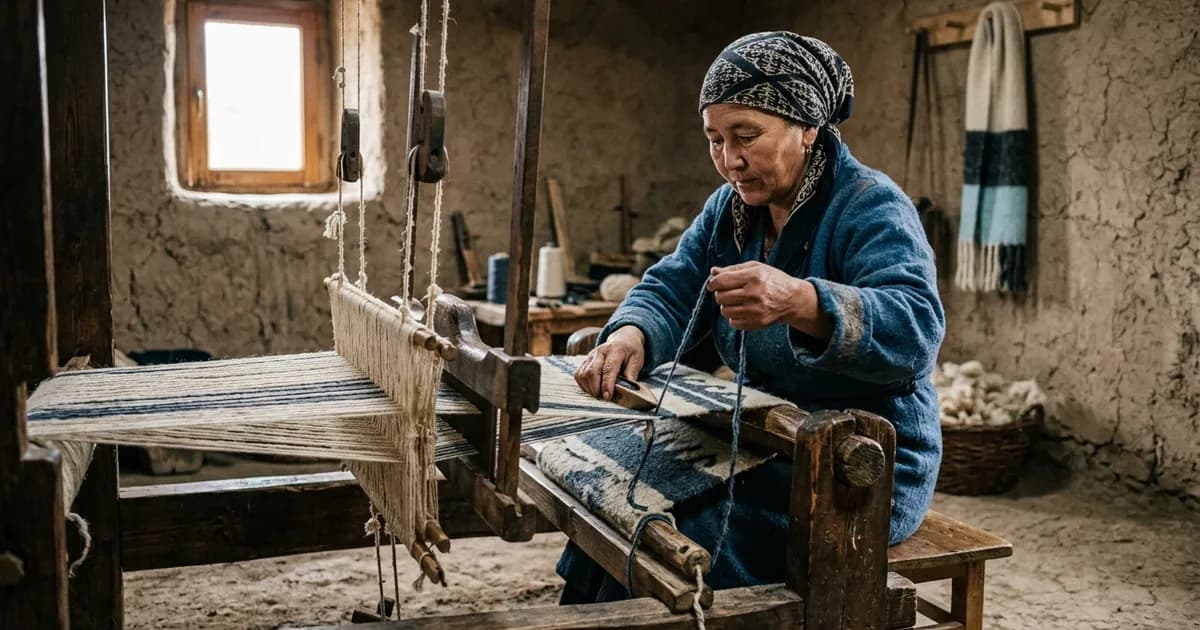
Wool Scarf Origin Kyrgyzstan — Tradition Meets Design
Kyrgyz highland wool for ULU wool scarves comes from sheep grazing between 2,000 and 3,500 metres in the Tian Shan mountains. The extreme temperature swing of up to 70 °C forces an exceptionally dense, lanolin-rich fibre structure. The wool is hand-shorn, dyed with natural colours, and processed using orally transmitted weaving techniques — by named artisans without intermediaries. Kyrgyz felt-making has been on the UNESCO Intangible Cultural Heritage list since 2012 (entry 00695).
From the Hive
Honey knowledge the supermarket skips
Twice a month: varietals, harvest, origin. Plus 10% off your first order.
10% off your first order · No spam. Unsubscribe anytime.