
Conscious Living
Honey Varieties at a Glance: Diversity, Flavour, and Origin
Last updated:
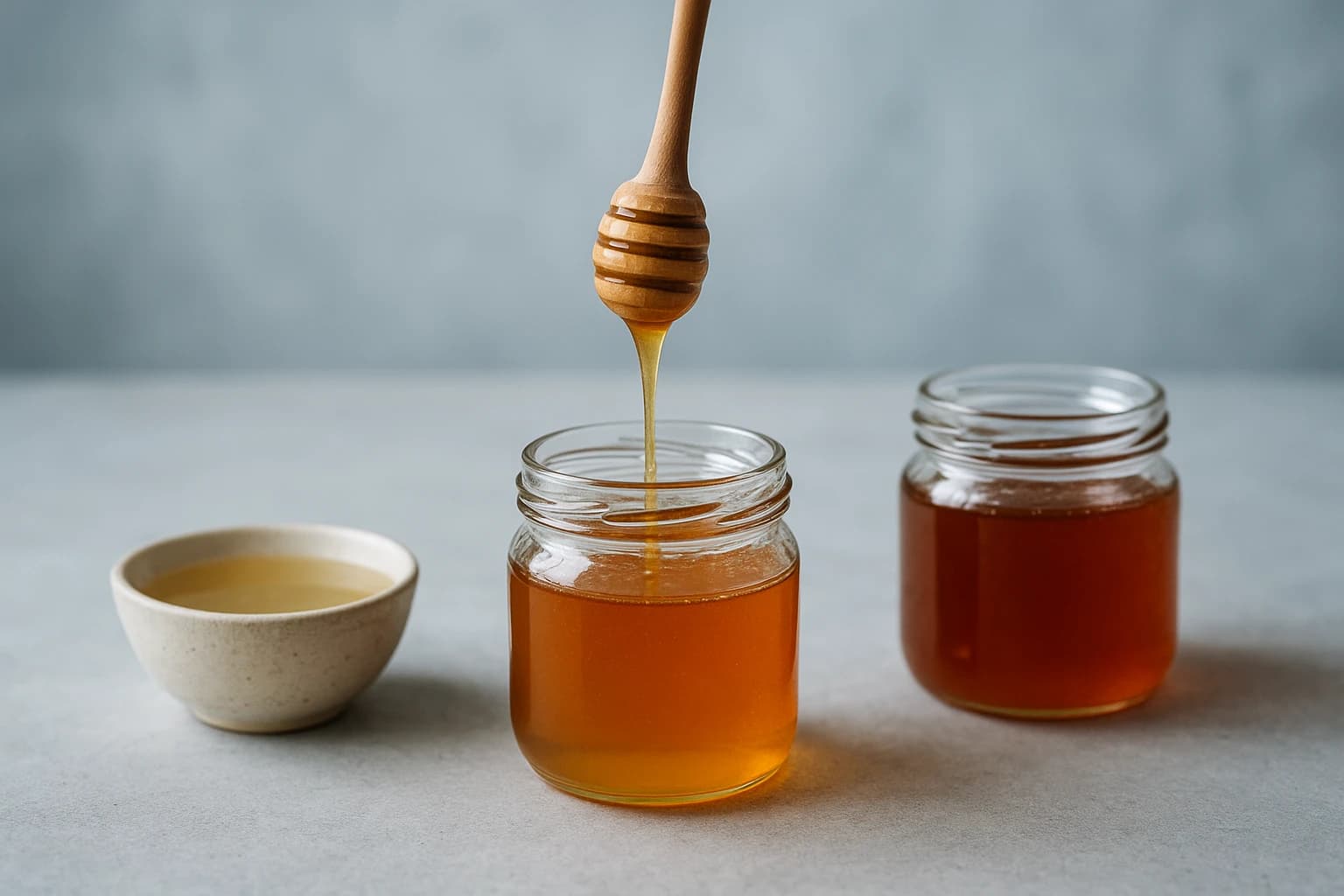
Why Doesn't Every Honey Taste the Same?
Honey is a natural product that draws its characteristics directly from the bees' surroundings. The blossoms a bee visits determine the colour, aroma, consistency, and even the mineral content of the honey. In Kyrgyzstan, where alpine meadows stretch across altitudes from 1,500 to 3,500 metres, honey varieties emerge that exist nowhere else in the world in this form.
In the mountains of Kyrgyzstan, over 4,000 plant species bloom — many of them medicinal herbs that give the honey special properties.
Mountain Blossom Honey: The Flagship
Mountain blossom honey is the best-known Kyrgyz variety. It is made from the nectar of wild mountain flowers that grow on the high plateaus of the Tian Shan. Its flavour is complex: gently floral with a warm, almost caramel-like note in the finish. The colour ranges from pale gold to rich amber.
What makes it special: the bees collect nectar at altitudes where no farming takes place. There are no pesticides, no monocultures — just untouched nature. And you can taste it.
From the Hive
Honey knowledge the supermarket skips
Twice a month: varietals, harvest, origin. Plus 10% off your first order.
10% off your first order · No spam. Unsubscribe anytime.
Sainfoin Honey: The Rare One
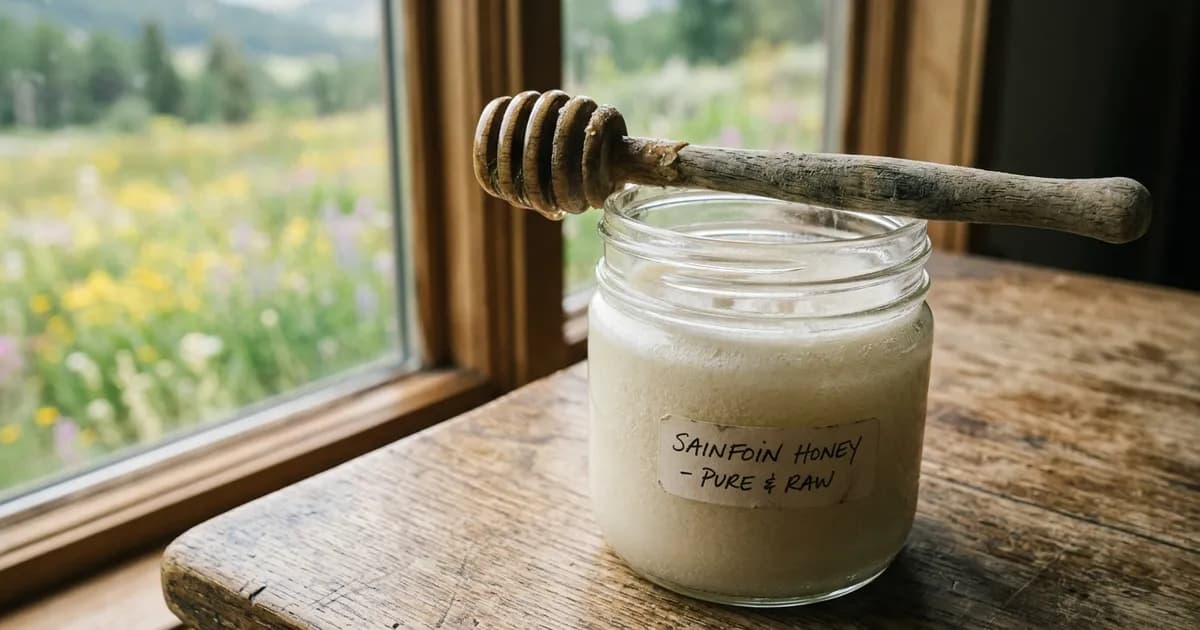
Sainfoin is a forage plant that grows wild in Kyrgyzstan. Its honey is creamy-white, mild in flavour, and crystallises particularly finely. It is considered one of the most refined honeys of Central Asia and is traditionally used for colds and to boost vitality.
The harvest of Sainfoin honey is limited because the plant only grows in sufficient density in certain valleys. That is why this honey is only available from us in small quantities.
Sweet Clover Honey: The Gentle One
Sweet clover grows along riverbanks and in moist valley floors. Its honey is light, almost transparent, with a subtly vanilla-like aroma. It is excellent for sweetening tea without overpowering the tea's own flavour.
How to Recognise Quality Honey
Genuine natural honey differs from industrially processed honey in several ways:
- Crystallisation: Natural honey crystallises over time — this is a quality indicator, not a flaw.
- Enzyme activity: Natural honey contains active enzymes that are destroyed when heated above 40 degrees.
- Water content: Good honey has a water content below 18 percent.
- Origin transparency: When you know the beekeeper, you know what is in the jar.
Honey that does not crystallise has likely been heated or filtered — both destroy valuable compounds.
What Makes Kyrgyz Honey Different?
In Kyrgyzstan, there is no industrial beekeeping. The beekeepers work with small stocks of 20 to 50 colonies and move with their bees to follow the blooms — from the valleys in spring to the high pastures in summer. This traditional migratory beekeeping ensures that every honey reflects the unique qualities of its region and season.
Our honey comes from four regions of the Tian Shan: Naryn, Issyk-Kul, Talas and Osh.
Share
In the mountains of Kyrgyzstan, over 4,000 plant species bloom — many of them medicinal herbs that give the honey special properties.
In Kyrgyzstan, there is no industrial beekeeping — beekeepers work with small stocks of 20 to 50 colonies and follow the blossoms with their bees.
Honey that does not crystallise has likely been heated or filtered — both destroy valuable compounds.
Frequently Asked Questions
Mountain blossom honey is the best-known and most versatile variety. It is made from the nectar of wild mountain flowers at altitudes above 2,000 metres and captivates with its complex, floral-warm aroma.
Crystallisation is a natural process and a sign of genuine, unpasteurised honey. Depending on the sugar content and floral source, honey crystallises faster or slower. Gently warmed, it becomes liquid again.
Kyrgyz honey comes from pristine high mountain regions without agriculture or pesticides. The extreme altitude and the diversity of wild medicinal herbs give it a particularly complex aromatic profile.

Jamilia
Autorin, ULU Magazin
Jamilia schreibt über kirgisisches Handwerk, Honig und die Geschichten hinter den Produkten. Aufgewachsen in Zentralasien, lebt sie zwischen Bischkek und Berlin.
Related Articles

Conscious Living
Honey and Gut Health: What Current Research Actually Shows
Research into honey and gut health is growing rapidly — but the headlines often outrun the actual findings. Here is what the studies say, and what they do not.
Conscious Living
Honey Antioxidants: What the Research Actually Says
Gallic acid . Taxifolin . What these numbers mean — and what they do not promise.
Conscious Living
Wool Scarf Origin Kyrgyzstan — Tradition Meets Design
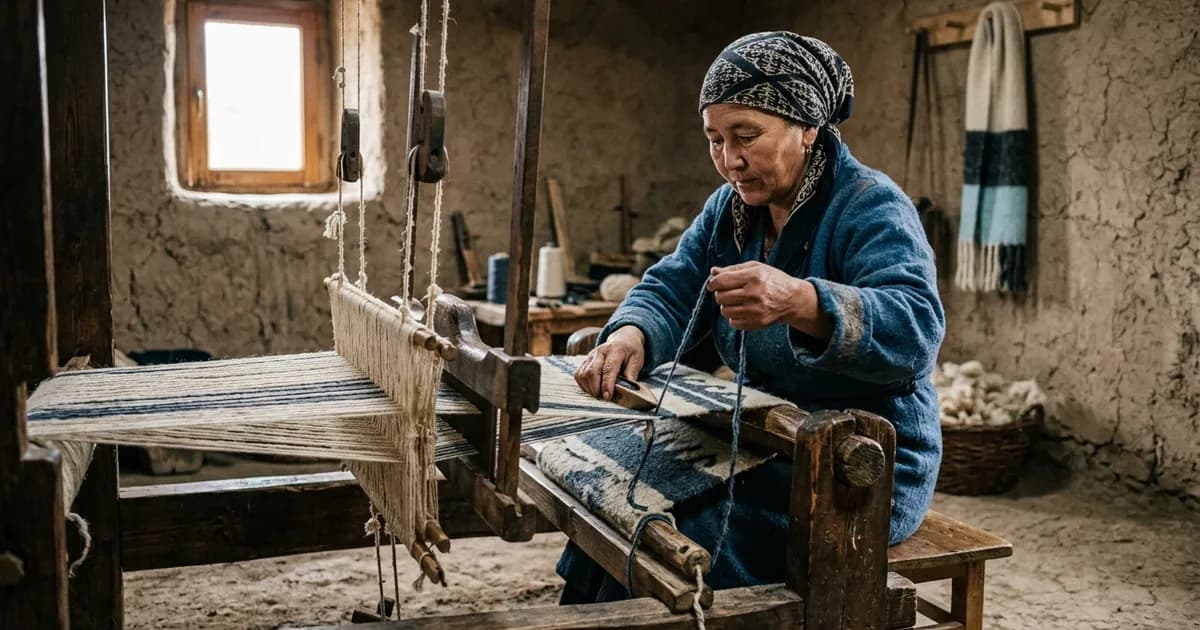
Kyrgyz highland wool for ULU wool scarves comes from sheep grazing between 2,000 and 3,500 metres in the Tian Shan mountains. The extreme temperature swing of up to 70 °C forces an exceptionally dense, lanolin-rich fibre structure. The wool is hand-shorn, dyed with natural colours, and processed using orally transmitted weaving techniques — by named artisans without intermediaries. Kyrgyz felt-making has been on the UNESCO Intangible Cultural Heritage list since 2012 (entry 00695).
From the Hive
Honey knowledge the supermarket skips
Twice a month: varietals, harvest, origin. Plus 10% off your first order.
10% off your first order · No spam. Unsubscribe anytime.