
Conscious Living
Sustainable Honey Consumption: Recognising Quality, Protecting the Environment
Last updated:
The Problem with Cheap Honey
Germany is one of the world's largest honey importers. Around 80 percent of consumed honey is imported — often as blends from EU and non-EU countries. What the label says frequently hides more than it reveals.
Industrially processed honey is often heated, filtered, and bulked out with syrup. Heating destroys enzymes and vitamins. Filtration removes pollen that would allow traceability to origin. And adulteration with sugar syrup is a widespread fraud that is difficult to detect.
By some estimates, one in five jars of imported honey in the EU is adulterated with sugar syrup — a problem consumers can barely detect.
How to Recognise Real Unpasteurised Honey
There are several signs that point to quality honey:
- Crystallisation: Real honey crystallises over time. This is a mark of quality, not a defect.
- Origin statement: The more specific, the better. "Blend of EU and non-EU honeys" is a red flag.
- Enzyme activity: Some jars show the diastase value — it indicates enzyme activity.
- Price: Genuine, artisan-harvested honey costs between 8 and 25 euros per 500 grams. Anything below that is suspect.
- Direct from the beekeeper: The surest path to real honey is a direct relationship with the producer.
From the Hive
Honey knowledge the supermarket skips
Twice a month: varietals, harvest, origin. Plus 10% off your first order.
10% off your first order · No spam. Unsubscribe anytime.
Why Local Honey Is Better
Local honey has several advantages:
It supports local bee populations. Every beekeeper who can make a living from their work maintains colonies and with them the pollination in their region. Honey from your own region contains pollen from local plants and may help allergy sufferers build tolerance.
Shorter transport distances mean less CO2. And if you know your beekeeper, you know what's in the jar.
What Does Sustainability Have to Do with Honey?
Bees are essential. They pollinate roughly 80 percent of all crop and wild plants. Without bees — no apples, no cherries, no almonds. The worldwide decline of bee populations, caused by pesticides, monocultures, and parasites, is one of the greatest ecological crises of our time.
Sustainable honey consumption means:
- Less but better: One jar of real unpasteurised honey rather than five jars of industrial product.
- Know the origin: Understand where the honey comes from and how it was harvested.
- Pay fair prices: A fair price enables the beekeeper to care for their bees properly.
Kyrgyz Honey as a Model
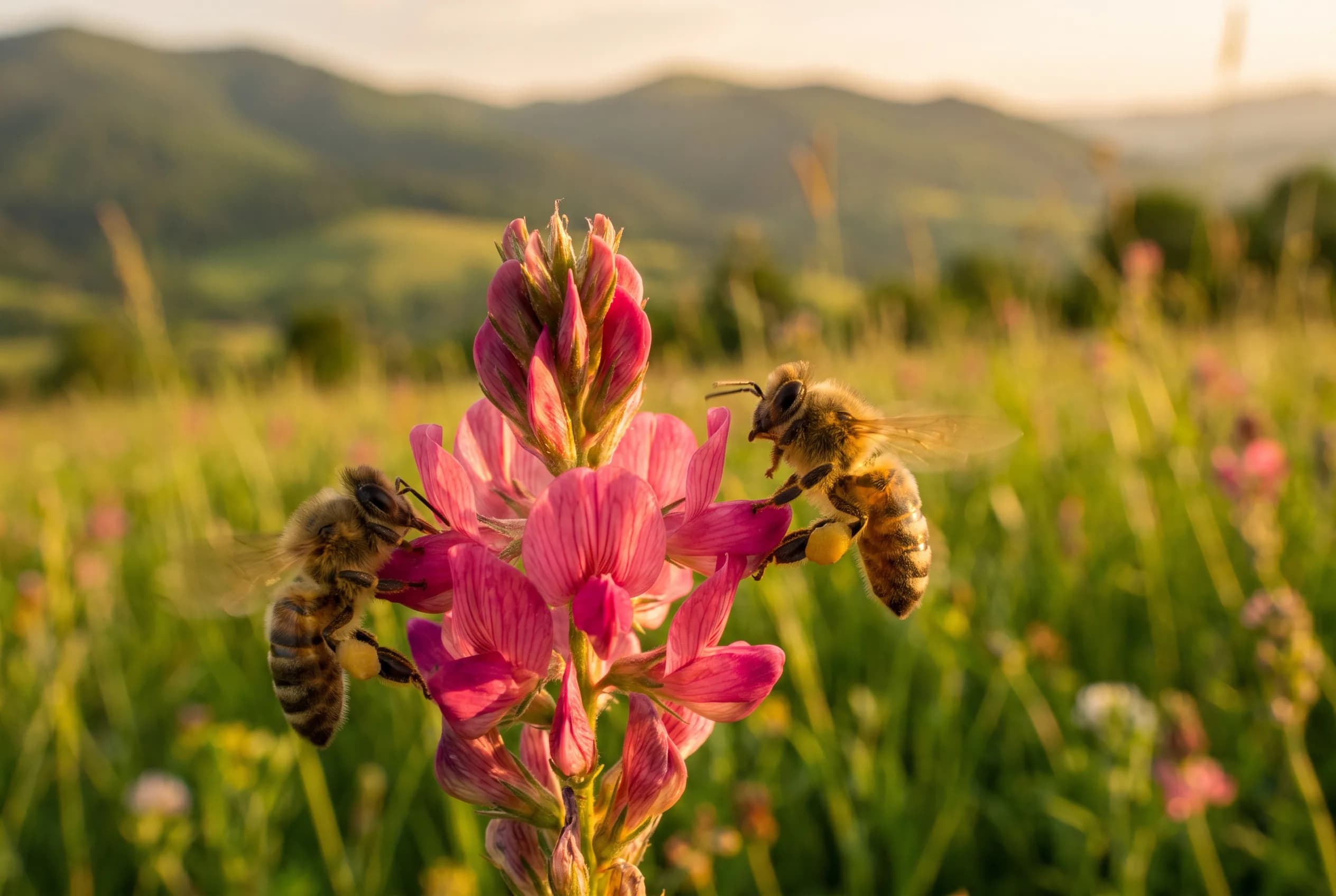
In Kyrgyzstan, there is no industrial beekeeping. The beekeepers work with small apiaries, follow the blossoms with their bees, and harvest by hand. There are no pesticides on the alpine meadows, no monocultures, no stress on the colonies.
In Kyrgyzstan, bees live the way bees should live: free, in clean air, with a diversity of wild blossoms that has long vanished in Europe.
At ULU, honey is not a mass product. From a high mountain pasture in Kyrgyzstan to your home.
Share
Germany imports around 80 percent of its consumed honey — often as blends from EU and non-EU countries.
By some estimates, one in five jars of imported honey in the EU is adulterated with sugar syrup.
Bees pollinate roughly 80 percent of all crop and wild plants — without bees, no apples, no cherries, no almonds.
Frequently Asked Questions
Look for crystallisation (natural and desirable), a specific origin statement (not just "EU/non-EU"), an appropriate price (from 8 euros per 500g), and ideally direct contact with the beekeeper. Honey that never crystallises was likely heated.
Industrial honey is often heated (destroys enzymes), filtered (removes pollen and traceability), and sometimes adulterated with sugar syrup. By some estimates, one in five imported honey jars in the EU is adulterated.
Kyrgyz honey comes from pesticide-free high-mountain regions, is harvested by hand by small migratory beekeepers, and is not industrially processed. The bees live in a natural environment with wild floral diversity.

Jamilia
Autorin, ULU Magazin
Jamilia schreibt über kirgisisches Handwerk, Honig und die Geschichten hinter den Produkten. Aufgewachsen in Zentralasien, lebt sie zwischen Bischkek und Berlin.
Related Articles

Conscious Living
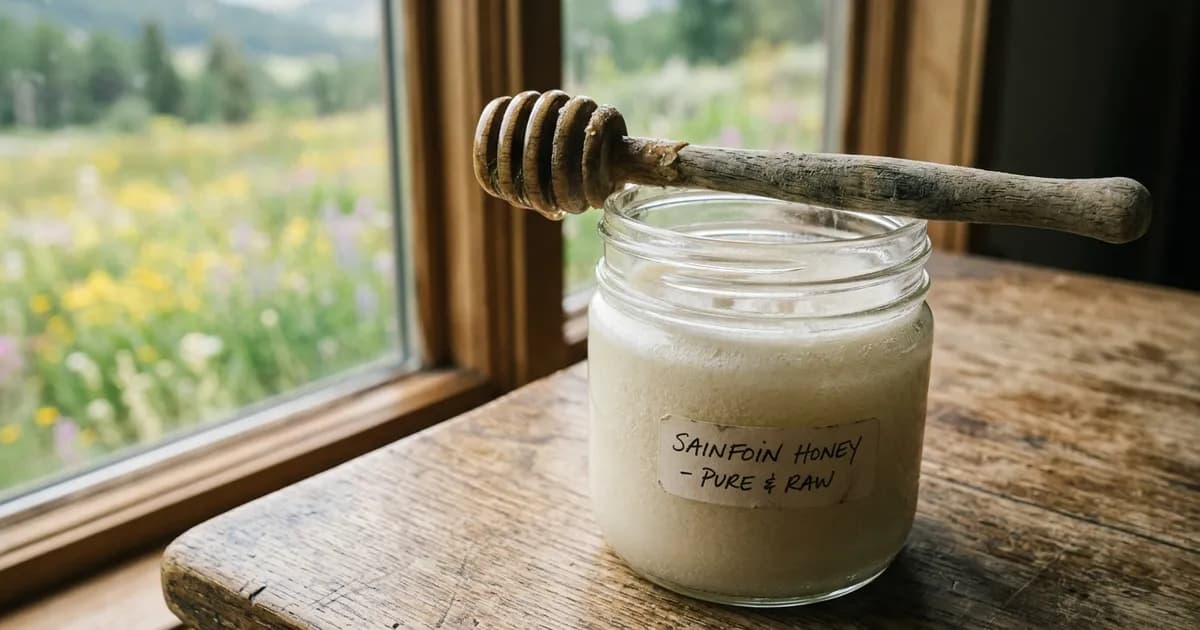
Honey and Gut Health: What Current Research Actually Shows
Research into honey and gut health is growing rapidly — but the headlines often outrun the actual findings. Here is what the studies say, and what they do not.
Conscious Living
Honey Antioxidants: What the Research Actually Says
Gallic acid . Taxifolin . What these numbers mean — and what they do not promise.
Conscious Living
Wool Scarf Origin Kyrgyzstan — Tradition Meets Design
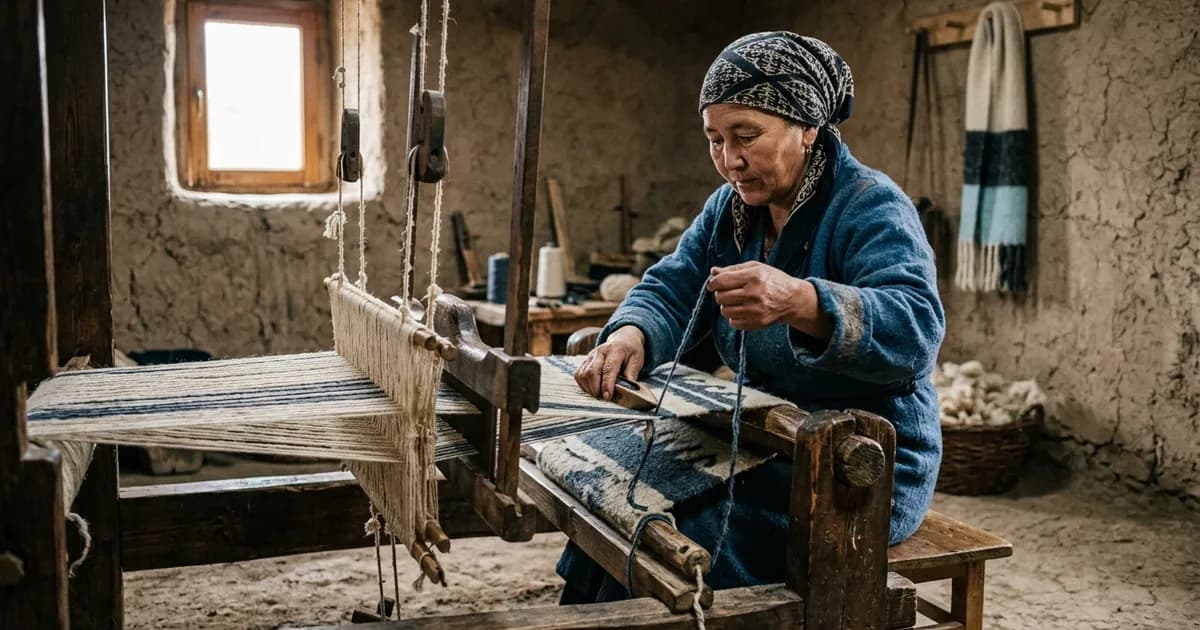
Kyrgyz highland wool for ULU wool scarves comes from sheep grazing between 2,000 and 3,500 metres in the Tian Shan mountains. The extreme temperature swing of up to 70 °C forces an exceptionally dense, lanolin-rich fibre structure. The wool is hand-shorn, dyed with natural colours, and processed using orally transmitted weaving techniques — by named artisans without intermediaries. Kyrgyz felt-making has been on the UNESCO Intangible Cultural Heritage list since 2012 (entry 00695).
From the Hive
Honey knowledge the supermarket skips
Twice a month: varietals, harvest, origin. Plus 10% off your first order.
10% off your first order · No spam. Unsubscribe anytime.