
Conscious Living
Natural Dyes in Textiles: Plant Colours and Their Tradition
Last updated:
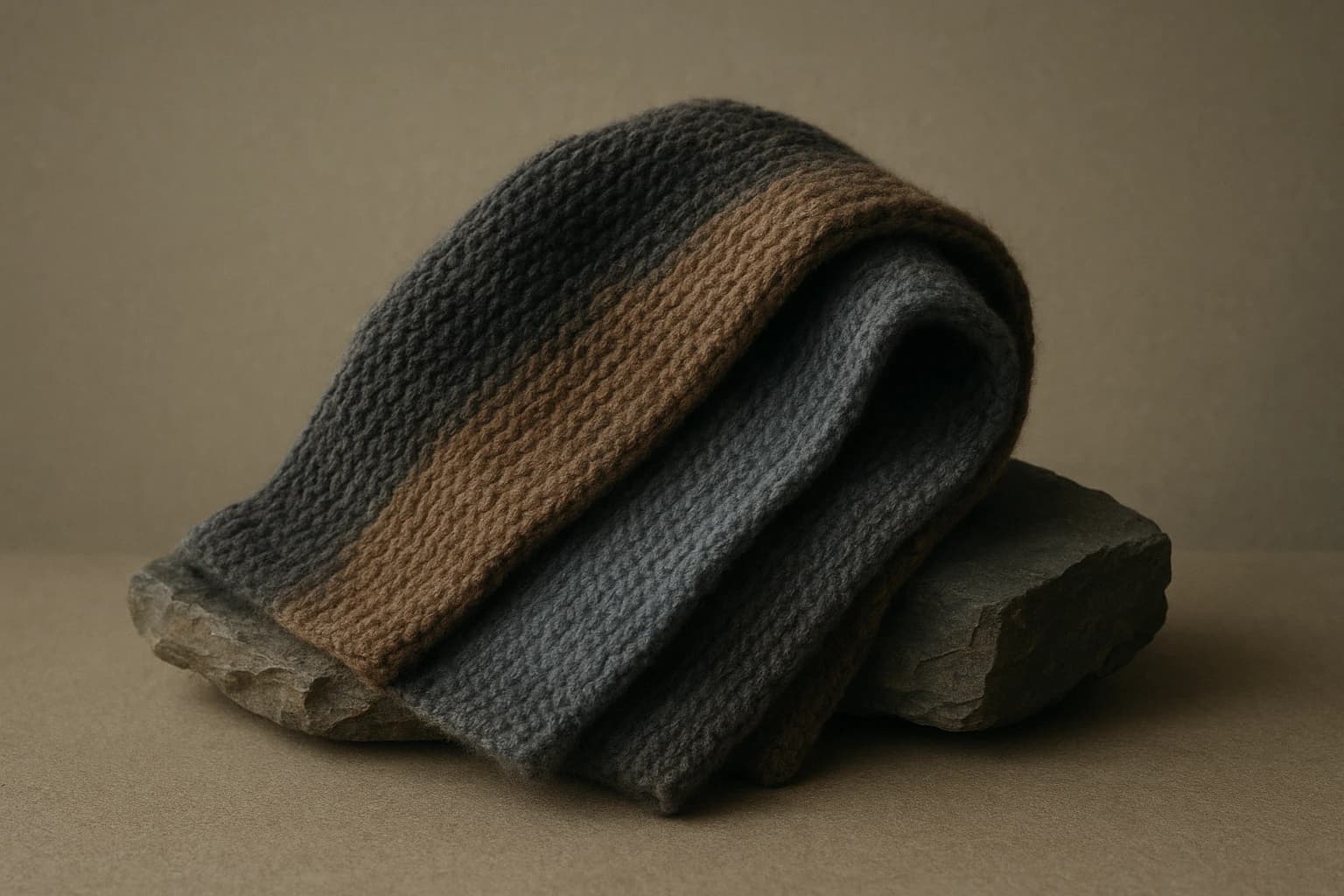
Colour from Nature
The history of natural dyes is as old as the history of textiles itself. Over 5,000 years ago, people were already dyeing wool and fabrics with plant-based and mineral pigments. Central Asia developed an especially rich dyeing tradition, because the region boasts both enormous plant diversity and mineral deposits.
In Kyrgyzstan, the artisans know dozens of recipes passed down from generation to generation. Each region has its own colour sources and techniques — some guarded like family secrets.
Natural dyes are not a limitation — they are a palette of hundreds of tones that no laboratory can exactly reproduce.
The Most Important Colour Sources
Kyrgyz dyers use a wide range of natural materials:
- Walnut shells: Deep brown to black, depending on soaking time and concentration.
- Madder root (Rubia tinctorum): The classic red of the Shyrdak carpets. The root is dried, ground, and boiled for hours.
- Onion skins: Warm gold to copper. One of the most accessible and productive colour sources.
- Indigo (Isatis tinctoria): Blue in varying intensities. Grows wild in the valleys.
- Pomegranate rinds: Pale yellow to olive green, depending on the mordant.
- Iron-rich earth: Grey to black tones, used as a post-treatment.
From the Hive
Honey knowledge the supermarket skips
Twice a month: varietals, harvest, origin. Plus 10% off your first order.
10% off your first order · No spam. Unsubscribe anytime.
The Dyeing Process
Natural dyes take time. The typical process involves several stages:
First, the wool is mordanted — meaning it is soaked in a solution of alum or other minerals. The mordant opens the fibres and ensures the colour bonds permanently.
Then the dye is prepared: roots are ground, skins soaked, leaves boiled. The dye bath often needs to simmer for several hours.
Finally, the mordanted wool is dyed in the colour bath — sometimes for several hours, sometimes overnight. After dyeing, it is washed and dried.
Why Natural Dyes?
In a world dominated by synthetic colours, the question arises: why the effort?
Aesthetics: Natural dyes have a depth and vibrancy that synthetic colours cannot match. They shift subtly with light and age — like a fine wine that matures.
Health: Synthetic dyes can trigger allergies and irritate the skin. Natural dyes are skin-friendly and free of harmful chemicals.
Environment: Natural dyes are biodegradable. The dye water can safely return to the soil. With synthetic dyes, wastewater is a serious environmental problem.
A textile dyed with natural colours changes over time — it becomes softer, the colours gain depth. It ages the way real things age: with dignity.
Natural Dyes at ULU
Not all ULU products use exclusively natural dyes — for some product lines, we use certified, OEKO-TEX-compliant dyes that meet strict environmental standards. But wherever possible, we favour the natural palette. It fits our understanding of craft: authentic, slow, and respectful of the material.
Share
The history of natural dyes is as old as the history of textiles itself — over 5,000 years ago, people were already dyeing wool with plant-based and mineral pigments.
Natural dyes have a depth and vibrancy that synthetic colours cannot match — they shift subtly with light and age, like a fine wine that matures.
A textile dyed with natural colours ages with dignity — it becomes softer, the colours gain depth.
Frequently Asked Questions
In Kyrgyzstan, artisans use walnut shells (brown/black), madder root (red), onion skins (gold/copper), indigo (blue), and pomegranate rinds (yellow/olive green), among others. Each region has its own recipes.
Yes, properly mordanted and dyed textiles retain their colours for decades. Mordanting with alum or other minerals ensures the colour bonds permanently to the fibre. Natural dyes actually gain depth with age.
Natural dyes offer unique colour depth, are skin-friendly, biodegradable, and leave no harmful wastewater. They require more effort to produce but are ecologically and aesthetically superior.

Jamilia
Autorin, ULU Magazin
Jamilia schreibt über kirgisisches Handwerk, Honig und die Geschichten hinter den Produkten. Aufgewachsen in Zentralasien, lebt sie zwischen Bischkek und Berlin.
Related Articles

Conscious Living
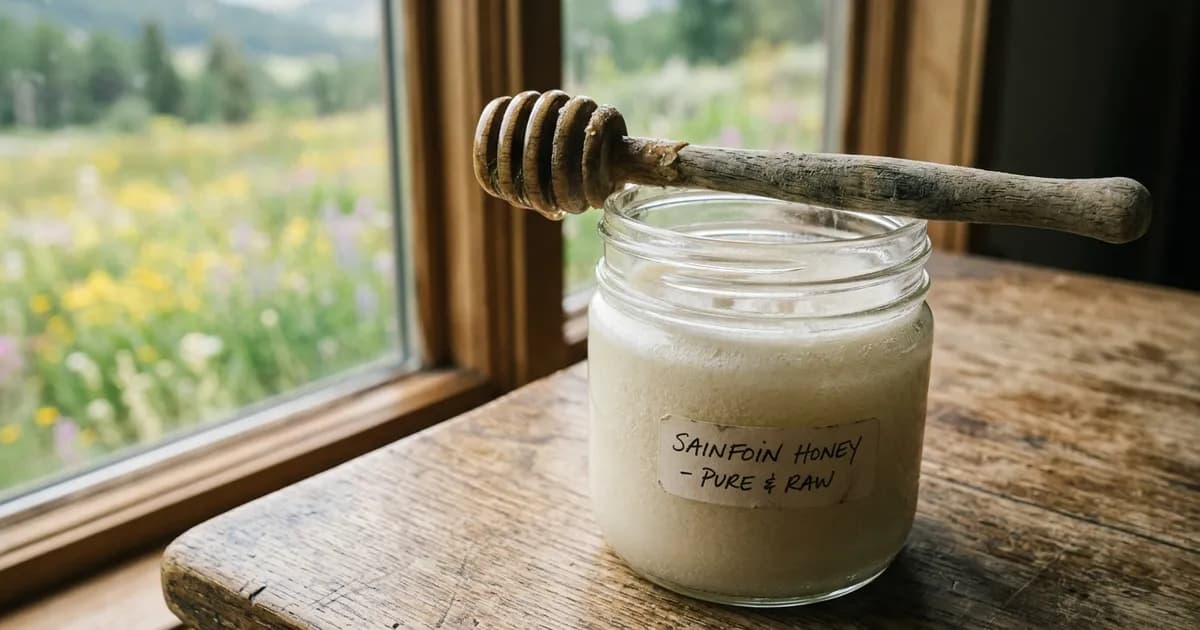
Honey and Gut Health: What Current Research Actually Shows
Research into honey and gut health is growing rapidly — but the headlines often outrun the actual findings. Here is what the studies say, and what they do not.
Conscious Living
Honey Antioxidants: What the Research Actually Says
Gallic acid . Taxifolin . What these numbers mean — and what they do not promise.
Conscious Living
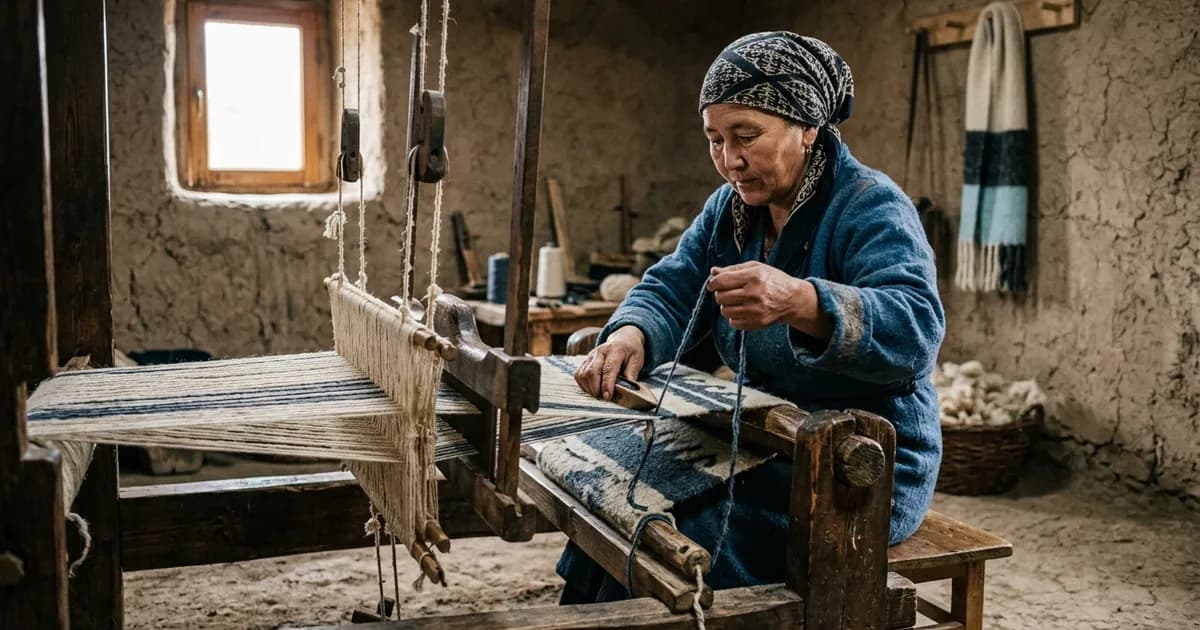
Wool Scarf Origin Kyrgyzstan — Tradition Meets Design
Kyrgyz highland wool for ULU wool scarves comes from sheep grazing between 2,000 and 3,500 metres in the Tian Shan mountains. The extreme temperature swing of up to 70 °C forces an exceptionally dense, lanolin-rich fibre structure. The wool is hand-shorn, dyed with natural colours, and processed using orally transmitted weaving techniques — by named artisans without intermediaries. Kyrgyz felt-making has been on the UNESCO Intangible Cultural Heritage list since 2012 (entry 00695).
From the Hive
Honey knowledge the supermarket skips
Twice a month: varietals, harvest, origin. Plus 10% off your first order.
10% off your first order · No spam. Unsubscribe anytime.