
The Makers
Understanding Mountain Honey: Quality from 3,000 Metres Altitude
Last updated:
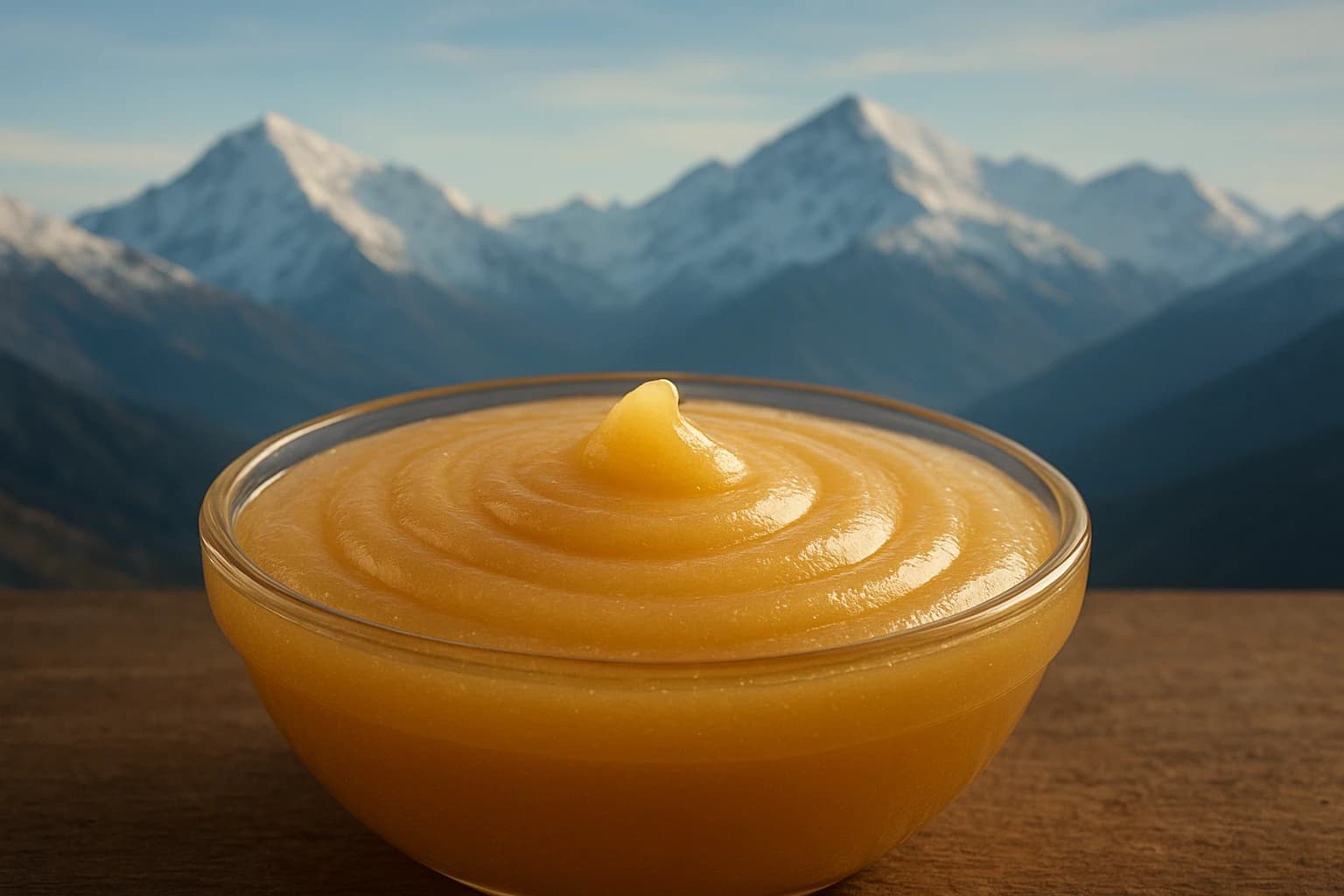
Mountain honey harvested at 3,000 metres altitude is not just a marketing claim — it is the result of a chain of factors that make a honey exceptional: stressed plants produce potent nectar, absolute environmental purity prevents contamination, and the result is a flavour experience that reflects its origin.
What Is Mountain Honey? A Definition for Connoisseurs
For most people, mountain honey is simply honey collected in the mountains. For connoisseurs, however, the definition goes deeper. True mountain honey is the result of unique environmental conditions that do not exist at lower elevations. It is a concentrate of its surroundings — shaped by thin air, intense sunlight, pure soils, and a flora that thrives under extreme conditions.
While the German market is dominated by global supply with over 60% of honey being imported, precise origin information is becoming increasingly important. New EU regulations from 2026 require accurate labelling of the country of origin, further sharpening awareness of the importance of terroir. A vague reference to "mountain regions" will no longer suffice.
The Altitude Factor: How 3,000 Metres Rewrites the Rules for Honey
Imagine a landscape so high that the air becomes noticeably thinner and civilisation is far away. Here, at elevations above 3,000 metres, different rules apply. These extreme conditions force nature to adapt — and we find the result directly in the honey.
Flora in Thin Air: Concentrated Nectar as a Survival Strategy
Plants growing at high altitude fight daily for survival. UV radiation is more intense, temperatures fluctuate wildly, and growing seasons are short. To attract pollinators under these stress conditions, they produce nectar that is particularly rich in sugars, enzymes, and aromatic compounds. It is a biological necessity. One such specialist is wild sainfoin, a plant native to the Kyrgyz high steppes that delivers a particularly fine, aromatic nectar.
Environmental Purity: Free from Everything That Doesn't Belong in Honey
At 3,000 metres there is no intensive agriculture, no pesticides, and virtually no industry. The soil is uncontaminated, the water is pure meltwater, and the air is free of pollutants. Bees collect nectar within a radius of several kilometres around their hive. At these elevations, that means they come into contact exclusively with pristine, wild nature. This absolute purity is not a marketing phrase but a geographical reality.
The Bees' Performance: Efficiency Under Extreme Conditions
The bees themselves are also shaped by their environment. The harsh climate and short collection periods require particularly resilient and efficient colonies. They must gather the best possible nectar in a short time, leading to careful selection of blooms and a highly focused working method.
From the Hive
Honey knowledge the supermarket skips
Twice a month: varietals, harvest, origin. Plus 10% off your first order.
10% off your first order · No spam. Unsubscribe anytime.
Case Study: The 'White Gold' of the Son-Kul Region
A perfect example of the magic of altitude can be found in one of Kyrgyzstan's most remote areas: the high plateau around Lake Son-Kul. Here, between 2,400 and 3,500 metres, our honey is gathered.
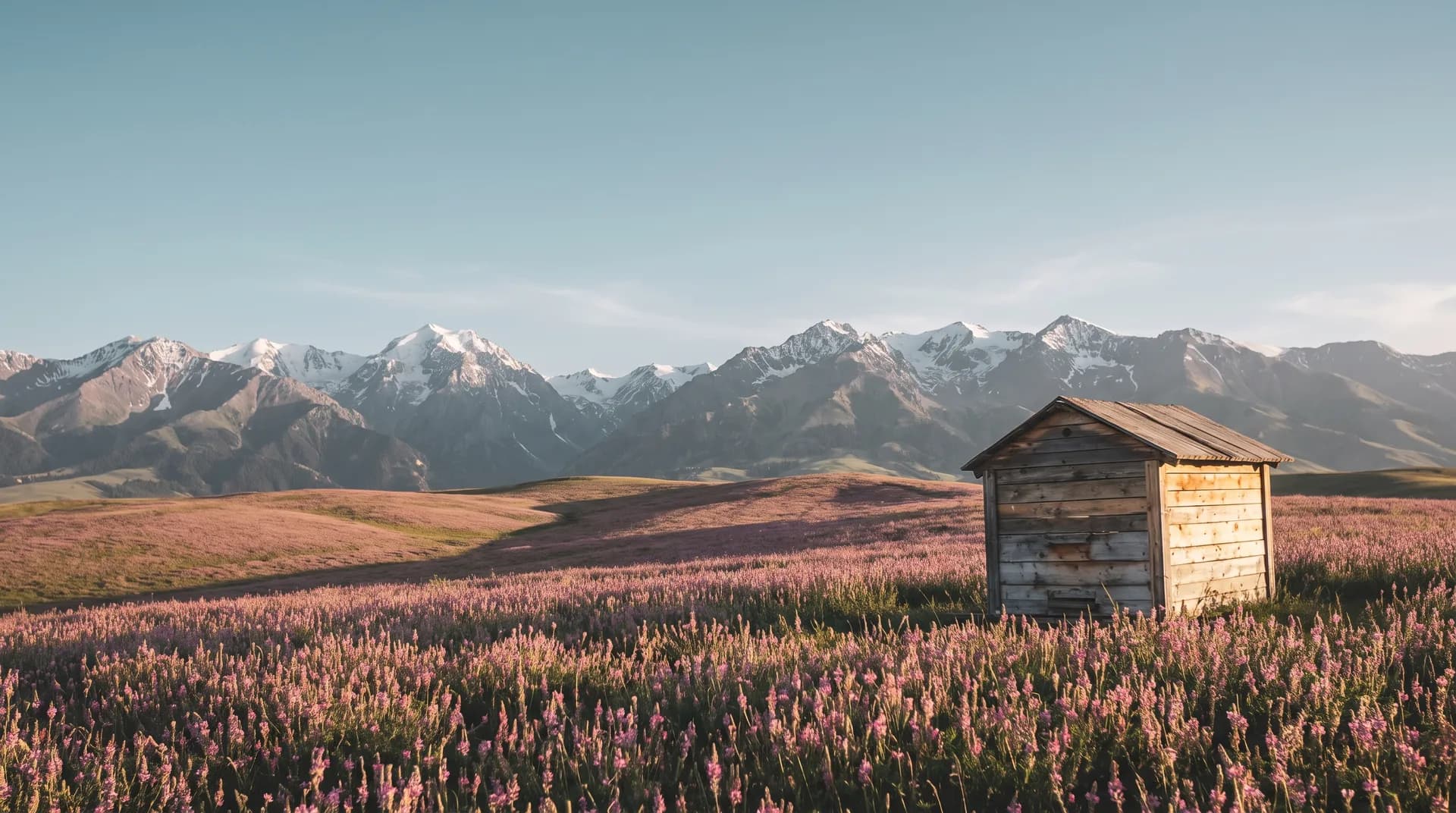
The landscape is characterised by vast meadows where wild sainfoin flowers bloom in delicate pink during summer. This plant is the primary nectar source for the honey produced here. The result is a honey of extraordinary quality, known as 'White Gold' for its creamy texture and near-white colour. It is the direct result of the altitude, the pure environment, and the unique flora of this untouched world.
Quality You Can Taste (and See): Mountain Honey vs. Lowland Honey
The difference between honey from 3,000 metres and a conventional blossom honey from the lowlands is not only measurable but experienceable.
- Flavour: Highland honey is often more complex and less aggressively sweet. It possesses subtle, floral notes directly attributable to the specialised flora. The 'White Gold' honey, for example, has a delicate, almost vanilla-like aroma with a clean finish.
- Nutrient density: Although direct comparative studies are rare, the higher concentration of the nectar suggests that the honey may also contain a higher density of minerals and enzymes. It is an unadulterated natural product.
- Crystallisation: Many high-quality, unpasteurised honeys crystallise quickly — a sign of naturalness and a high glucose content typical of certain flower types. Sainfoin honey develops a fine, creamy crystal structure that melts on the tongue.
What to Look For: How to Identify Genuine, High-Quality Mountain Honey
Next time you hold a jar of honey, don't be dazzled by general terms. Use these criteria to identify real quality:
- Specific origin information: Look for a precise region and ideally an altitude indication. "Spanish highlands" is vague. "Son-Kul region, Kyrgyzstan, above 3,000 metres" is a clear quality promise.
- Information about flora: Does the producer state which plants the honey comes from? Mention of specific high-altitude flowers like sainfoin shows deep product knowledge.
- Direct trade and transparency: Do you know who produced the honey? Brands that work directly with beekeepers can often share more about the challenges of beekeeping at extreme altitudes and guarantee fairness and authenticity.
- Condition of the honey: Genuine, unpasteurised honey is rarely perfectly clear. A creamy or crystallised consistency is often a sign that it has not been heavily heated or filtered.
Conclusion: Altitude as the Ultimate Quality Seal
The German market, where each resident consumes around one kilogram of honey per year, is ripe for a deeper understanding of quality. Altitude is more than a marketing statement; it is the cause of a chain of factors that make a honey extraordinary.
A honey from 3,000 metres altitude is not simply a product. It is the essence of an extreme, untouched landscape, captured in a jar.
Share
At 3,000 metres there is no intensive agriculture, no pesticides, and virtually no industry — absolute purity is not a marketing phrase but a geographical reality.
Plants at high altitude produce nectar that is particularly rich in sugars, enzymes, and aromatic compounds as a biological survival strategy.
Over 60% of honey sold in Germany is imported, and new EU regulations from 2026 require accurate labelling of the country of origin.
Frequently Asked Questions
Not necessarily. Altitude is a crucial indicator, but the specific flora, beekeeping practices, and absence of pollutants also play a role. Honey from an alpine meadow next to a busy mountain pass road is not comparable to honey from a remote high steppe.
Beekeeping at extreme altitudes is more demanding and yields are often lower. Logistics are more complex, vegetation periods are shorter, and the work for both humans and bees is more challenging. The price reflects the rarity, purity, and effort required to harvest this special natural product.
Like any honey, store it in a cool, dry, and dark place. A temperature around 15°C is ideal to preserve its creamy consistency. Avoid the refrigerator, as it will become too hard.

Jamilia
Autorin, ULU Magazin
Jamilia schreibt über kirgisisches Handwerk, Honig und die Geschichten hinter den Produkten. Aufgewachsen in Zentralasien, lebt sie zwischen Bischkek und Berlin.
Related Articles
The Makers
What Is Sainfoin Honey? The Complete Guide to a Rare Honey
Some honeys you find in every supermarket. Then there is sainfoin honey.

The Makers
Luxury Honey: What Premium Honey Actually Means
The gap between a €3 supermarket honey and a €40 specialty jar is bigger than most people think. What real quality comes down to.
The Makers
Best Honey in Germany 2026
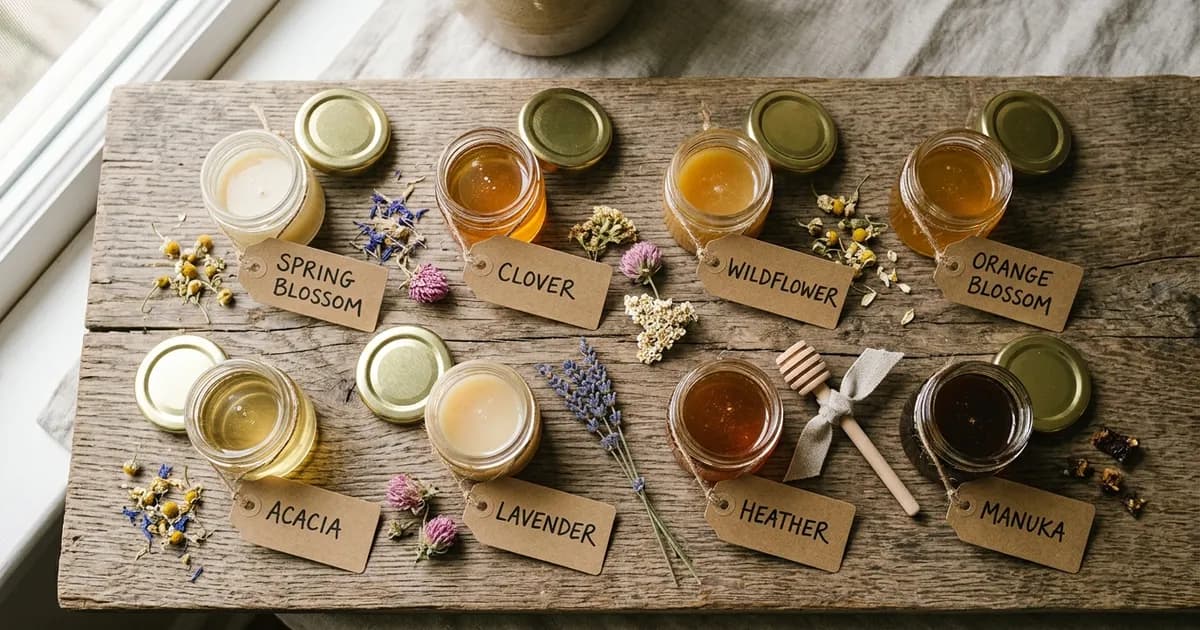
The best honey varieties in Germany 2026: From forest honey to acacia to Manuka — an honest comparison with ratings.
From the Hive
Honey knowledge the supermarket skips
Twice a month: varietals, harvest, origin. Plus 10% off your first order.
10% off your first order · No spam. Unsubscribe anytime.