
Conscious Living
The Slow Things We Keep
Last updated:

Why do we own so much yet value so little?
The average European household owns over 10,000 objects. Most of them are rarely used, quickly forgotten, and eventually thrown away. We buy for the moment — not for the long run.
That's not our fault — it's the system. Fast fashion, planned obsolescence, and algorithmically optimised advertising are all designed to make us feel that the next thing is always better than what we already have.
What are "slow things"?
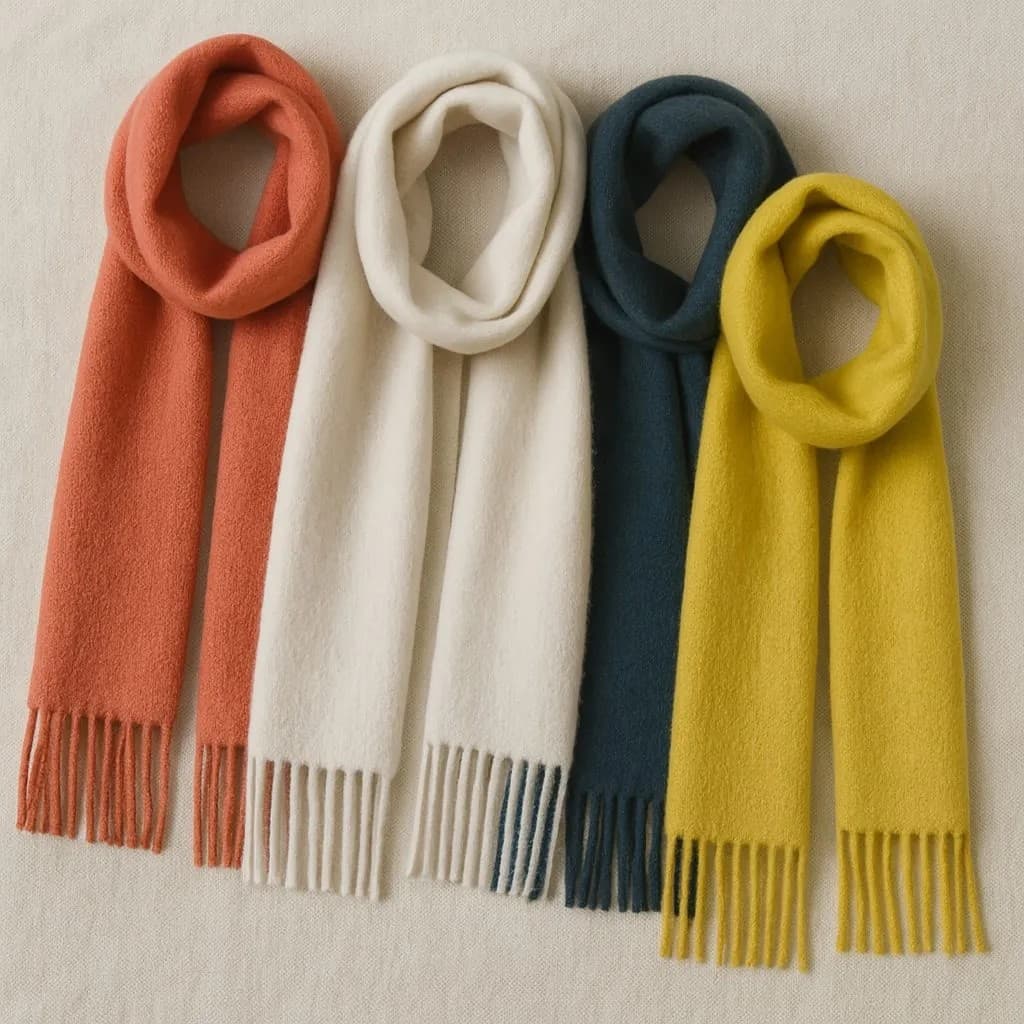
Slow things are objects that get better with time, not worse. A wool scarf that grows softer. A felt rug whose colours deepen over the years. A wooden spoon that carries the patina of a hundred meals.
The best things we own are the ones where we remember where they came from and who made them.
These things share three qualities: they are made from natural materials, they are crafted by hand, and they carry a story that goes beyond the moment of purchase.
From the Hive
Honey knowledge the supermarket skips
Twice a month: varietals, harvest, origin. Plus 10% off your first order.
10% off your first order · No spam. Unsubscribe anytime.
How does mindful ownership change everyday life?
Owning less doesn't mean going without — it means gaining clarity. When every object in your home is a deliberate choice, a different relationship with things begins to form. You care for them better, value them more, and replace them less often.
At ULU, we see this every day: customers who buy one of our scarves write to us months later about how it has become their favourite companion. Not because it was expensive, but because it tells a story.
What is the true cost of cheap alternatives?
A wool scarf for 15 euros at a department store feels like a good deal. But: where does the wool come from? Who wove it? Under what conditions? And how long will it last?
The true cost of cheap things isn't visible on the price tag. It shows up in the environment, in working conditions, and in how quickly things end up in the bin. A fairly produced scarf for 90 euros that lasts ten years costs 9 euros per year. The 15-euro scarf that pills after one season costs 15 euros per year — and leaves behind a pile of waste.
Share
The best things we own are the ones where we remember where they came from.
A fairly produced scarf for 90 euros that lasts ten years costs 9 euros per year.
The average European household owns over 10,000 objects. Most of them are rarely used.
Frequently Asked Questions
Slow living is a conscious decision against the fast-paced throwaway culture. It's not about doing everything slowly, but about choosing quality over quantity in the areas that matter most — consumption, food, relationships.
In the long run, mindful consumption is often cheaper than buying cheap items that need frequent replacing. The upfront price is higher, but the cost per use is lower. It requires a shift in perspective, not a higher income.
Start with one category: clothing, kitchen, or home. Before you buy something new, ask yourself: Do I need this? Will I still value it in a year? Who made it? These three questions filter out 80% of impulse purchases.

Jamilia
Autorin, ULU Magazin
Jamilia schreibt über kirgisisches Handwerk, Honig und die Geschichten hinter den Produkten. Aufgewachsen in Zentralasien, lebt sie zwischen Bischkek und Berlin.
Related Articles
Conscious Living
Conscious Shopping: What to Look for in Wool Products
Not all wool is created equal. Conscious shoppers pay attention to origin, animal welfare, processing, and transparency. Five criteria that make the difference between fast fashion and genuine craftsmanship.

The Makers
Who Makes Our Felt Slippers? A Visit to Gulnara in Naryn
In a small workshop in Naryn, Gulnara has been making felt slippers by hand for over 40 years. Her technique has been passed down from generation to generation — and today it lives in every pair of ULU Ballerinas. A visit to the master craftswoman.

Conscious Living
Honey and Gut Health: What Current Research Actually Shows
Research into honey and gut health is growing rapidly — but the headlines often outrun the actual findings. Here is what the studies say, and what they do not.
From the Hive
Honey knowledge the supermarket skips
Twice a month: varietals, harvest, origin. Plus 10% off your first order.
10% off your first order · No spam. Unsubscribe anytime.