
The Makers
Handmade Felt Slippers: What Kyrgyz Craftsmanship Really Means
Last updated:
A Material Older Than Any Logo
Felt is not a trend. It is one of the oldest textile techniques in human history — and nowhere has it been preserved with more consistency than in Kyrgyzstan.
On the high plateaus of the Tian Shan mountains, nomadic peoples have lived for centuries alongside their sheep, their yurts, and their felt. The yurt is built from felt. The carpets — shyrdaks — are felt. The shoes are felt. This is not folklore. This is functioning culture.
From Sheep to Sole
At ULU, everything begins with the spring shearing. The wool of the Kyrgyz highlands has exceptional density and elasticity. The fibers are longer, more robust, and felt more readily than merino wool.
After shearing, the craftswomen take over — for it is primarily women who carry the felt tradition in Kyrgyzstan.
Felting Is Physics — and Patience
Wool felts because its fibers carry microscopic scales. Through heat, moisture, and mechanical pressure, these scales interlock. No needle, no thread. Just wool, water, and hands.
Hand-felted Kyrgyz slippers take several hours to create. The craftswoman feels the density beneath her hands and decides when it is finished. Not a timer. Not a machine.
From the Hive
Honey knowledge the supermarket skips
Twice a month: varietals, harvest, origin. Plus 10% off your first order.
10% off your first order · No spam. Unsubscribe anytime.
Why Handmade Felt Is Better
Temperature Regulation
Natural felt contains tiny air chambers that store warmth while wicking moisture. Feet stay warm without sweating.
Antibacterial Properties
Lanolin — the natural wax in wool — inhibits bacteria and fungi growth. Good wool footwear barely develops odor even after prolonged wear.
Longevity
A well-felted Kyrgyz slipper improves with wear. The felt conforms to the foot, becomes more supple. Once experienced, you never buy disposable slippers again.
The Haflinger Comparison
Haflinger. Giesswein. These names stand for quality house shoes. But: Haflinger slippers are produced in Portugal. The felt is machine-made. Prices range from 60 to 100 euros.
ULU slippers are made by hand, following a centuries-old tradition. We are not saying Haflinger is bad. We are saying: there is a difference — and it is real.
Direct Trade
ULU buys directly from craft families in Kyrgyzstan. No intermediaries, no anonymous supply chains. The fair price goes directly to the craftswomen.
What to Know Before Buying
- Where does the wool come from? Not the label — the actual origin.
- How was the felt produced? Machine-made or hand-felted — a fundamental difference.
- Who made the product? A person or a machine?
Care
- Never in the washing machine.
- Air dry — not on a radiator.
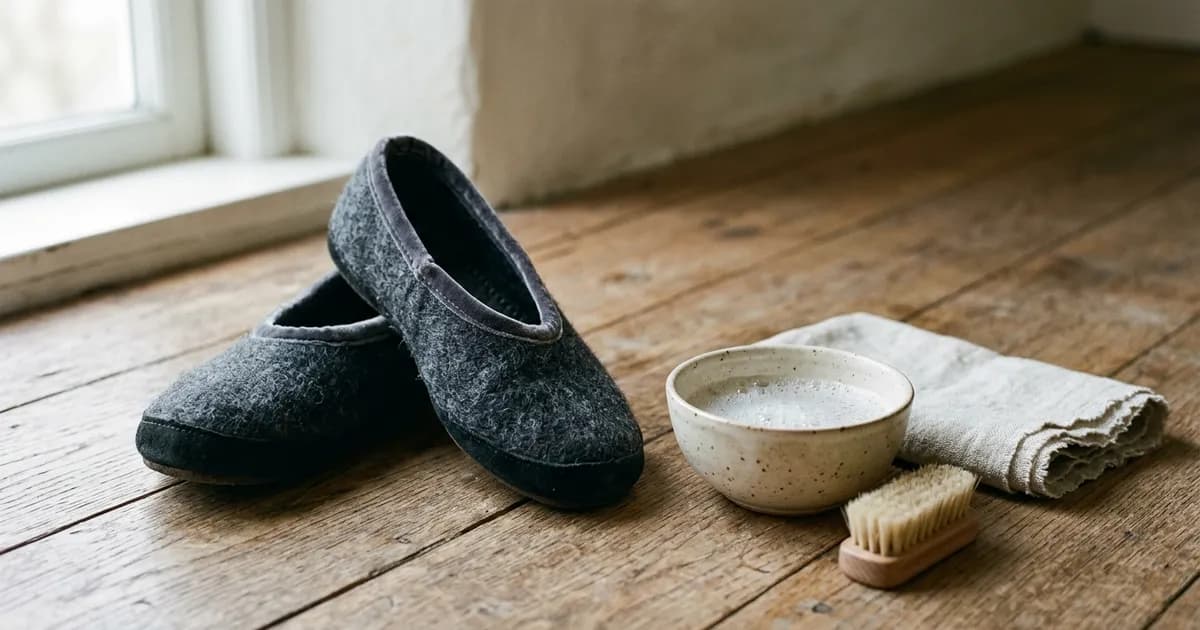
- Brush, do not wash. Treat stains with a soft brush and lukewarm water.
Follow these guidelines and you will enjoy your pair for many years. This is not a promise — it is physics.
Kyrgyz Felt in Europe
Kyrgyzstan has one of the most vibrant craft traditions in Central Asia. Felting, weaving, embroidery — techniques passed down from mothers to daughters for generations.
ULU has brought this tradition to Europe — not as a souvenir, but as a product that functions in everyday life.
Share
Felt is not a trend. It is one of the oldest textile techniques in human history.
There is a difference — and it is real.
Frequently Asked Questions
Hand-felted Kyrgyz slippers offer a denser, more natural felt structure. The wool retains more lanolin, regulates temperature more actively, and lasts longer.
Through heat, moisture, and hand pressure — no machines or adhesives. Takes several hours per pair.
Not in a washing machine. Treat stains with a soft brush and lukewarm water, then air dry.
Direct trade means fair prices for craftswomen, full transparency, and better quality control through personal relationships.

Jamilia
Autorin, ULU Magazin
Jamilia schreibt über kirgisisches Handwerk, Honig und die Geschichten hinter den Produkten. Aufgewachsen in Zentralasien, lebt sie zwischen Bischkek und Berlin.
Related Articles

The Makers
What Is Sainfoin Honey? The Complete Guide to a Rare Honey
Some honeys you find in every supermarket. Then there is sainfoin honey.

The Makers
Luxury Honey: What Premium Honey Actually Means
The gap between a €3 supermarket honey and a €40 specialty jar is bigger than most people think. What real quality comes down to.
The Makers
Best Honey in Germany 2026
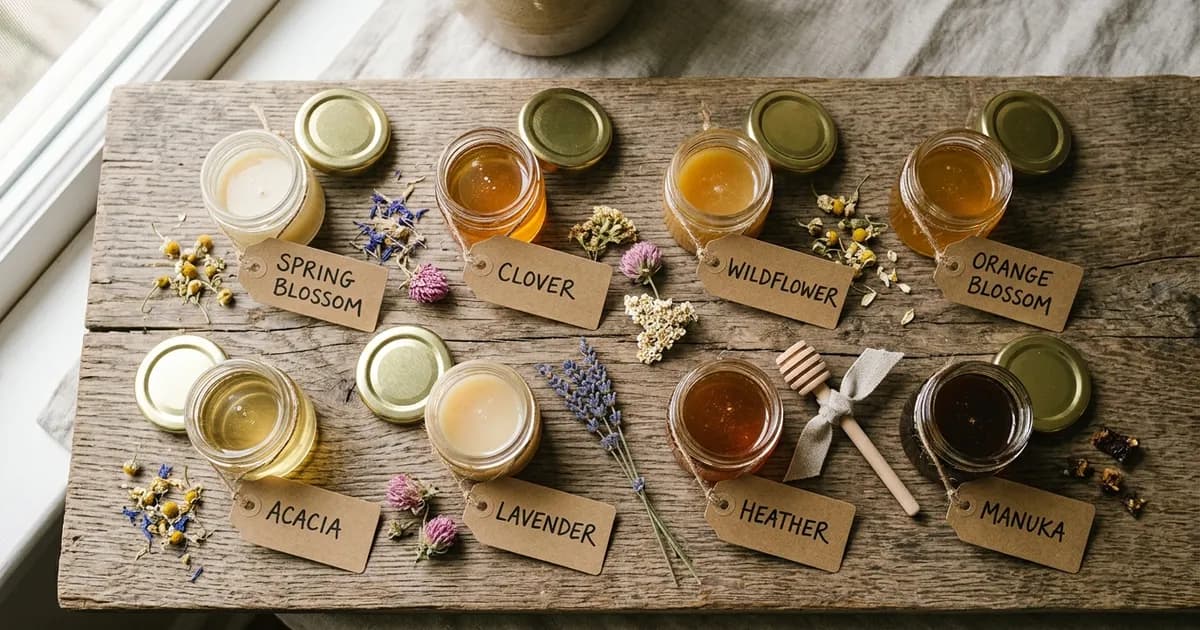
The best honey varieties in Germany 2026: From forest honey to acacia to Manuka — an honest comparison with ratings.
From the Hive
Honey knowledge the supermarket skips
Twice a month: varietals, harvest, origin. Plus 10% off your first order.
10% off your first order · No spam. Unsubscribe anytime.