
The Makers
How Origin and Blossoms Shape the Taste of Honey
Last updated:
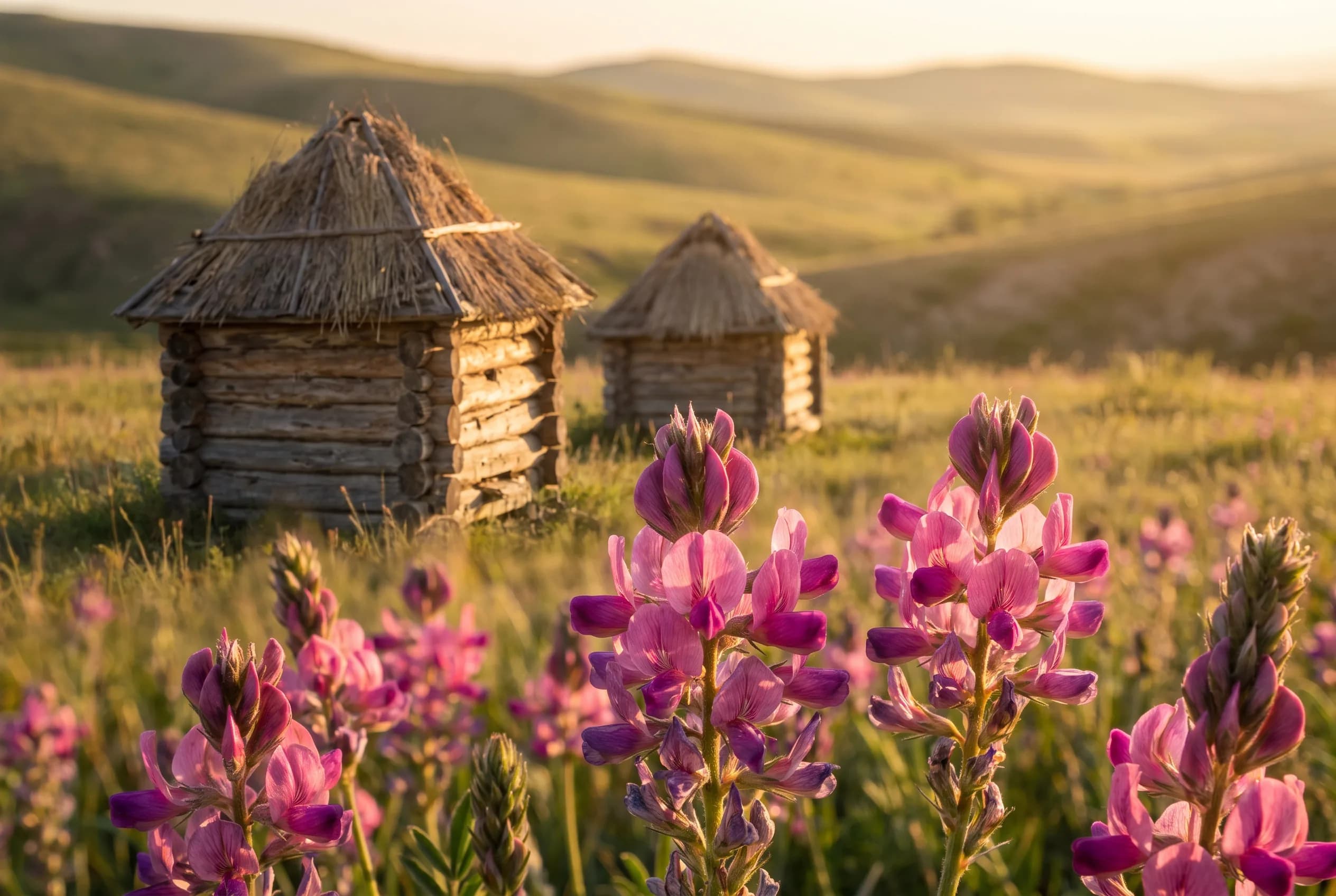
Have you ever stood in front of the honey shelf at the supermarket, wondering why one jar is golden and liquid while the one next to it is creamy-white and firm? Why one tastes delicately floral while another is bold and herbal, almost like malt? The price difference is often just as wide as the gap in flavour. The answer to all these questions is more complex and fascinating than you might think. It lies not only in the bee, but in the landscape, the altitude, and even the weather of a single summer.
In short: the true story of a honey is told by its origin. In this guide, we decode how regional flora, climate, and the work of the bees create a liquid gold as unique as a fingerprint. You will learn why a spoonful of genuine mountain blossom honey can carry an entire alpine meadow within it — and why the vague label "blend of EU and non-EU honeys" is often a sign of lost character.
The Foundation of Flavour: What Bees Collect and Why They Are Choosy
To understand honey, we need to start at its source. There are two fundamental types, distinguished by what the bees collect:
- Blossom honey: This is the classic. Bees gather sweet nectar directly from the flowers of plants. The taste, colour, and aroma of this honey are a direct reflection of the blossoms visited — from the gentle sweetness of acacia honey to the bold aroma of heather honey.
- Honeydew honey (forest honey): Here, bees collect not nectar but honeydew — a sugary secretion from plant lice that feed on plant sap. This honey is usually dark, more viscous, and has a robust, often malty aroma. Fir or spruce honey are well-known examples.
What is truly remarkable, however, is the behaviour of the bees themselves. A bee that sets out to collect rapeseed pollen will almost exclusively visit rapeseed flowers on that flight, even if other tempting blooms grow in between. Experts call this behaviour "flower constancy." This specialisation is the very basis for the existence of varietal honeys. Without this faithfulness, there would only be blended honey.
More Than Just the Blossom: The Concept of "Terroir" in Honey
Anyone familiar with wine knows the term "terroir." It describes the unique character a wine gains from its soil, climate, altitude, and the skill of the winemaker. This exact concept applies to honey as well. It is not just the single flower that determines the flavour, but the entire ecosystem.
Flora: The Obvious Flavour Carrier
Every plant gives its nectar a unique chemical signature. The German Federal Centre for Nutrition (BZfE) describes some classic examples:
- Linden blossom honey: Often with a fresh, almost minty aroma.
- Rapeseed honey: Very mild, sweet, and tends to crystallise quickly into a creamy texture due to its high glucose content.
- Heather honey: Bold, slightly bitter in the finish, with an almost jelly-like consistency.
- Sweet chestnut honey: Dark, savoury, and with a distinctly bitter note that is highly prized by connoisseurs.
Altitude and Climate: The Hidden Director
This is where things get especially fascinating, particularly when it comes to mountain blossom honey. Why does honey from the mountains often taste more intense and complex?
- Plant stress: Plants growing at higher altitudes (like the Kyrgyz mountains at over 2,500 metres) are exposed to stronger UV light, greater temperature swings, and leaner soils. To protect themselves, they produce more concentrated nectars and a higher density of secondary plant compounds such as antioxidants and aromatic compounds.
- Floral diversity: An untouched mountain meadow harbours an enormous variety of wildflowers, herbs, and perennials that have long disappeared from agriculturally used lowlands. Each of these plants contributes a nuance to the overall flavour. The result is a unique aromatic profile that varies slightly each year and cannot be replicated.
Such a honey is not simply "sweet." It tells the story of a place, a season, and the rich biodiversity that brought it into being. It is exactly this connection to nature that makes the so special.
From the Hive
Honey knowledge the supermarket skips
Twice a month: varietals, harvest, origin. Plus 10% off your first order.
10% off your first order · No spam. Unsubscribe anytime.
Reading the Label: How to Spot Quality and Unmask Empty Promises
A good understanding of the product helps you make the right choice when buying. But labels can be confusing. What do the claims really mean?
What Is a "Varietal Honey"?
According to the German Honey Regulation, a honey may only be labelled as a varietal honey (e.g. "acacia honey") if it originates "entirely or predominantly" from the named blossoms. To prove this, laboratories use scientific methods, as described by the Lower Saxony State Office for Consumer Protection (LAVES):
- Pollen analysis: Under the microscope, the pollen grains in the honey are counted. For acacia honey, for example, at least 20% of the pollen must come from acacia. For rapeseed or heather, the required proportions are considerably higher. The pollen serve as a floral fingerprint of the honey.
- Electrical conductivity: This measurement indicates the mineral content. Dark honeydew honeys have high conductivity, light blossom honeys very low. Each varietal honey has a typical measurement range.
- Sugar spectrum: The ratio of fructose to glucose influences how quickly a honey crystallises. A high fructose content (as in acacia honey) keeps it liquid for a long time.
The Trap of Anonymous Blends
If you see a label reading "blend of EU and non-EU honeys," you should be sceptical. This is the legally permitted minimum standard for origin labelling. Behind it often lie highly industrialised processes:
- Hundreds of honey batches from around the world are blended together to produce a consistent but characterless taste.
- The honey is often heavily heated to make it easier to filter and bottle. In the process, valuable enzymes and delicate aromas are lost.
- The exact origin and production conditions are no longer traceable for the consumer.
Genuine, high-quality honey, on the other hand, celebrates its origin and its seasonal differences. It is a natural product, not a standardised industrial commodity.
The Superfood Myth: The Truth About Honey and Health
Honey is often marketed as a healthy miracle food. It does contain traces of minerals, vitamins, enzymes, and antioxidants, but an honest assessment is important here: honey consists of roughly 80% sugar (mainly fructose and glucose) and 17% water.
The health-relevant substances are present in such small quantities that, at normal consumption levels, they hardly contribute to meeting daily nutritional needs. The true value of high-quality, unprocessed honey lies elsewhere:
- Bioactive compounds: The unique enzymes (such as invertase and glucose oxidase) that the bees add, along with the flavonoids and polyphenols (antioxidants) from plants, are what set honey apart from pure sugar.
- Natural state: These valuable substances are heat-sensitive. A gently processed, unpasteurised honey preserves these properties best.
Honey, then, is not a multivitamin supplement but a valuable natural product and a food to savour, whose quality directly depends on its origin and gentle processing.
Frequently Asked Questions (FAQ)
Why does my honey crystallise? Has it gone bad?
No, quite the opposite! Crystallisation is a natural process and a quality indicator. Honeys with a high glucose content (e.g. rapeseed honey) crystallise quickly, while those with high fructose content (e.g. acacia honey) stay liquid for a long time. Gently warming it in a water bath at no more than 40 degrees C will make it liquid again without destroying the valuable compounds.
What is the difference between creamy and liquid honey?
Liquid honey is the natural form of many varieties. Creamy honey is created through controlled stirring during crystallisation, which produces tiny, fine crystals that give it a spreadable consistency. So it is a matter of processing, not quality.
Is dark honey healthier than light honey?
Dark honeys (such as forest honey or sweet chestnut honey) tend to have a higher content of minerals and antioxidants. This makes them more interesting in terms of flavour and composition, but not categorically a "health product." The health difference at normal consumption levels is marginal.
How do I recognise good honey in the shop?
Look for as precise an origin statement as possible (country, region, or even the beekeeper). Prefer honeys that are not labelled as a "blend." The seal of the German Beekeepers' Association (D.I.B.) also stands for high quality standards. Best of all, however, is to buy directly from a trusted beekeeper or from brands that offer transparency about their origin.
Your Path to Becoming a Conscious Honey Connoisseur
You now know that honey is far more than just a sweet spread. It is an image of a landscape, a concentrate of thousands of blossoms, and the result of the tireless work of bees.
The first step towards more conscious enjoyment is to taste this difference for yourself. Try a honey from a local beekeeper and compare it to a mass-produced product. Or better still: explore the fascinating world of rare origin honeys.
Once you understand why origin matters, you might want to learn next . Our guide will help you decode the labels and find the true treasures on the honey shelf.
Share
A bee that sets out to collect rapeseed pollen will almost exclusively visit rapeseed flowers on that flight — experts call this behaviour flower constancy.
The concept of terroir applies directly to honey: it is not just the single flower that determines the flavour, but the entire ecosystem.
The vague label 'blend of EU and non-EU honeys' is often a sign of lost character.
Frequently Asked Questions
According to the German Honey Regulation, a honey may only be labelled as a varietal honey (e.g. 'acacia honey') if it originates 'entirely or predominantly' from the named blossoms. Laboratories verify this through scientific methods such as pollen analysis, electrical conductivity, and sugar spectrum testing.
No, quite the opposite! Crystallisation is a natural process and a quality indicator. Honeys with a high glucose content (e.g. rapeseed honey) crystallise quickly, while those with high fructose content (e.g. acacia honey) stay liquid for a long time. Gently warming it in a water bath at no more than 40 degrees C will make it liquid again without destroying the valuable compounds.
Liquid honey is the natural form of many varieties. Creamy honey is created through controlled stirring during crystallisation, which produces tiny, fine crystals that give it a spreadable consistency. So it is a matter of processing, not quality.
Dark honeys (such as forest honey or sweet chestnut honey) tend to have a higher content of minerals and antioxidants. This makes them more interesting in terms of flavour and composition, but not categorically a health product. The health difference at normal consumption levels is marginal.
Look for as precise an origin statement as possible (country, region, or even the beekeeper). Prefer honeys that are not labelled as a blend. The seal of the German Beekeepers' Association (D.I.B.) also stands for high quality standards. Best of all is to buy directly from a trusted beekeeper or from brands that offer transparency about their origin.

Jamilia
Autorin, ULU Magazin
Jamilia schreibt über kirgisisches Handwerk, Honig und die Geschichten hinter den Produkten. Aufgewachsen in Zentralasien, lebt sie zwischen Bischkek und Berlin.
Related Articles
The Makers
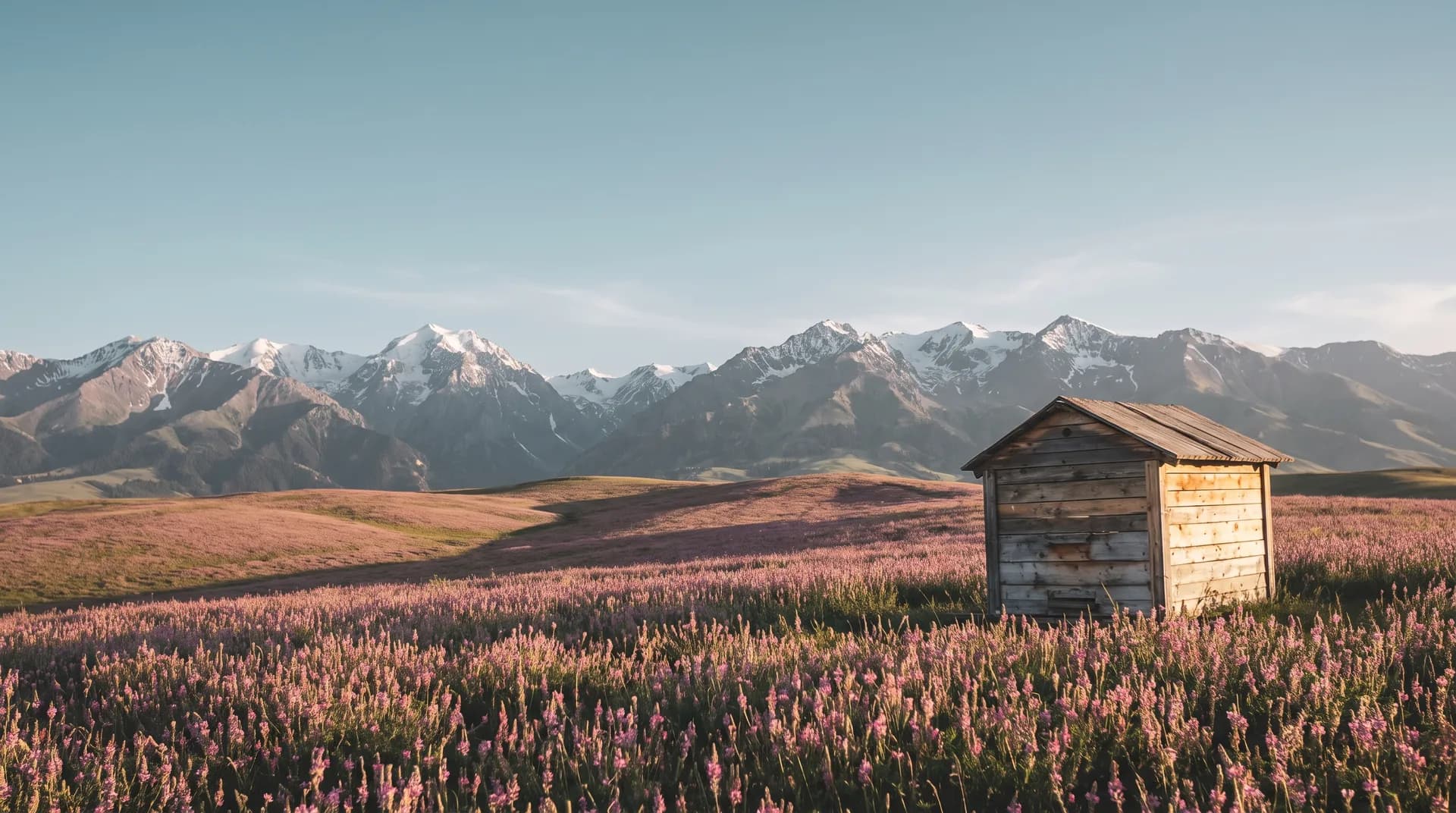
What Is Sainfoin Honey? The Complete Guide to a Rare Honey
Some honeys you find in every supermarket. Then there is sainfoin honey.

The Makers
Luxury Honey: What Premium Honey Actually Means
The gap between a €3 supermarket honey and a €40 specialty jar is bigger than most people think. What real quality comes down to.
The Makers
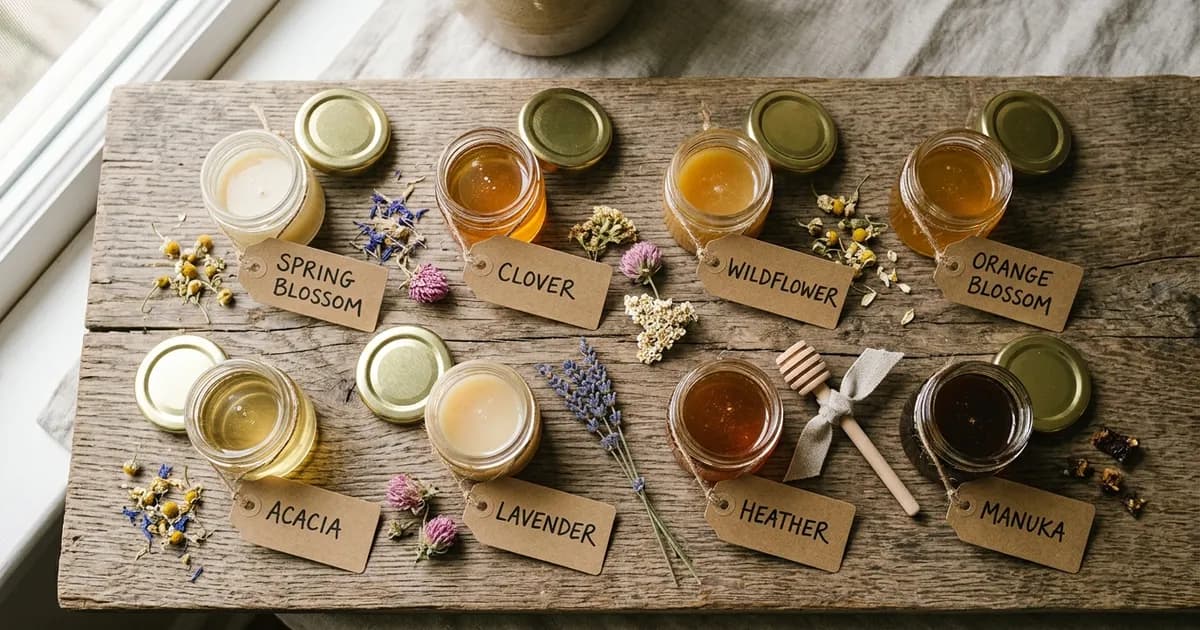
Best Honey in Germany 2026
The best honey varieties in Germany 2026: From forest honey to acacia to Manuka — an honest comparison with ratings.
From the Hive
Honey knowledge the supermarket skips
Twice a month: varietals, harvest, origin. Plus 10% off your first order.
10% off your first order · No spam. Unsubscribe anytime.