
The Makers
Why Honey Varieties Taste So Different
Last updated:
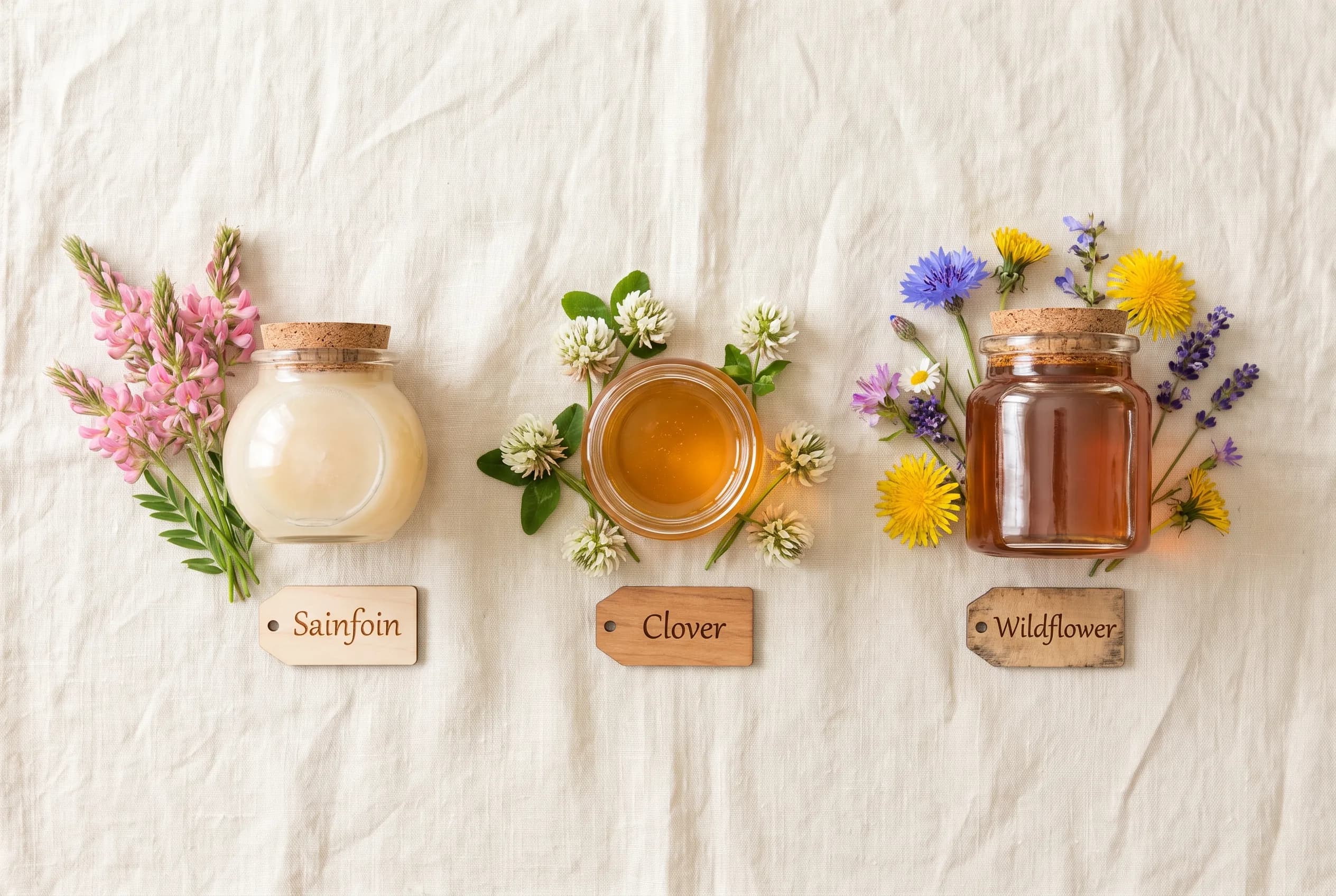
Have you ever stood at the honey shelf wondering why one jar is mild and golden while the one next to it is bold, dark, and almost spicy? Is it just the flower on the label? The answer is far more fascinating and takes us into a world remarkably similar to that of wine or coffee: the world of terroir.
Every spoonful of honey is a liquid portrait of a landscape, a climate, and a season. It is the concentrated essence of thousands of blossoms, captured by countless bees. Understanding why honey varieties taste so different means decoding the secret language of nature. In this article, we reveal the mysteries behind flavour, aroma, and colour — and show you how to become a honey connoisseur yourself.
The Foundation of Flavour: What Is Really Inside Honey?
At first glance, honey is simply sweet. But that sweetness is merely the stage on which a complex performance of aromas unfolds. The lead actors are two types of sugar: fructose and glucose. Their ratio to each other determines not only the sweetness but also how quickly a honey crystallises.
Yet the true character actors are the countless "supporting ingredients" that make up less than 5% but are responsible for the entire range of flavours:
- Organic acids: They give honey a fine, balancing acidity.
- Enzymes: Added by the bees, they play a decisive role in transforming nectar into honey.
- Minerals and trace elements: These come from the soil, are absorbed by the plant, and reach the honey through the nectar.
- Aromatic compounds: The heart of the flavour! Hundreds of volatile organic compounds (terpenes, aldehydes, esters) that come directly from the plants visited and give honey its unique bouquet.
This is exactly where the flavour journey begins. The composition of these ingredients is shaped by four decisive factors.
The 4 Pillars of Honey Aroma: Plant, Season, Climate, and Location
Imagine a composer writing a symphony. The plants provide the melodies, season and climate set the tempo and rhythm, and the location is the concert hall whose acoustics shape the final sound.
1. The Plant: The Architect of Flavour
Every plant species has a unique "chemical fingerprint" in its nectar. This fingerprint is what gives single-origin honeys their unmistakable character.
- Acacia honey (Robinia): Known for its light colour and mild, floral taste. The nectar is rich in fructose, which is why it stays liquid for a very long time.
- Linden honey: Often with an intense, almost minty-fresh aroma. This comes from specific essential oils in the linden blossoms.
- Buckwheat honey: Dark, bold, and malty. Its intense flavour comes from certain phenolic compounds found in the buckwheat plant.
- Sainfoin honey: A rare treasure. Sainfoin, a forage plant that thrives in barren highland terrain, gives the honey a very delicate, subtly fruity aroma often reminiscent of almonds or marzipan. It is a perfect example of how a special plant can create a unique flavour profile that clearly sets it apart from ordinary .
Bees collect what is available. A is therefore often a complex mosaic of dozens of different nectar sources, whose flavour changes from year to year.
2. Season and Climate: The Conductor of the Orchestra
No two years are alike, and you can taste that in honey. Weather and season have a direct influence on plants and their nectar.
- Spring harvest vs. summer harvest: Honeys from spring, often from fruit trees and rapeseed, tend to be lighter and milder. The summer harvest with linden, clover, and wild herbs often produces bolder, more aromatic, and darker honeys.
- Rain and sun: A cold, wet spring can delay blooming and reduce nectar flow, leading to a smaller harvest. A hot, dry summer, on the other hand, concentrates the sugar in the nectar, which can make the honey more intense and aromatic. The weather thus determines not just the quantity, but also significantly the quality and aromatic profile of the vintage.
3. Location: The Terroir of Honey
The concept of "terroir," well known from winemaking, describes the unique character a product gains from its specific place of origin. With honey, this effect is especially pronounced.
- Mountains vs. plains: A honey from a northern German rapeseed monoculture tastes fundamentally different from a mountain honey. In the mountains, such as the high valleys of Kyrgyzstan at over 2,500 metres, bees find an immense variety of untouched wildflowers and herbs. This biodiversity creates an incredibly complex and layered aroma that is rarely found at lower altitudes.
- Soil composition and microclimate: The minerals in the soil influence plant health and therefore the nectar composition. A sheltered valley develops a different flora than a sunny south-facing slope, even if they are only a few kilometres apart. This microclimate shapes the local honey and makes it unique.
Location is the key to truly exceptional honeys. The combination of pure air, clean water, and a rich, untouched floral diversity, as found in the , is the foundation for an unparalleled taste experience.
4. The Beekeeper: The Guardian of Flavour
Finally, the work of the beekeeper plays a crucial role. Gentle harvesting and processing are essential to preserve the precious aromas.
- Extraction: The honey must be spun out of the combs cold and carefully. Too much heat would destroy sensitive enzymes and aromatic compounds and distort the flavour.
- Filtering: A coarse filtration removes wax particles but leaves valuable pollen — important flavour carriers — in the honey. Overly fine industrial filtration can strip the honey of its complexity.
- Storage: Honey should be stored in a cool, dry, and dark place to preserve its aroma over a long period.
From the Hive
Honey knowledge the supermarket skips
Twice a month: varietals, harvest, origin. Plus 10% off your first order.
10% off your first order · No spam. Unsubscribe anytime.
Become a Honey Explorer: A Brief Guide to Tasting
The best way to understand the diversity is to taste it yourself. Take your time and taste honey consciously, similar to a fine wine.
- Look: Observe the colour and consistency. Is the honey pale yellow, amber, or almost black? Is it liquid, creamy, or already crystallised?
- Smell: Gently warm the jar in your hands and smell the honey. What aromas do you perceive? Floral, fruity, spicy, resinous, or perhaps even malty?
- Taste: Take a small spoonful and let the honey dissolve slowly on your tongue. Focus on the flavour. Is it mild or bold? Can you recognise the aromas you smelled? Pay attention to the aftertaste as well. Does it linger?
Experiment with different varieties. Try a mild acacia honey alongside a bold forest honey. Compare a local blossom honey with an exotic mountain honey. You will be surprised by the worlds that open up to you.
Frequently Asked Questions (FAQ)
- Why does honey crystallise, and has it gone bad? Crystallisation is a completely natural process and a quality indicator for unpasteurised honey. It occurs when glucose molecules join together to form crystals. Honeys with a high glucose content (e.g. rapeseed honey) crystallise faster than those with a high fructose content (e.g. acacia honey). Crystallised honey has not gone bad! On the contrary, it shows that it is in its natural state. Gentle warming in a water bath (not above 40 degrees C) will make it liquid again.
- What is the difference between liquid and creamy honey? The consistency depends on the ratio of fructose to glucose and on the processing. Creamy honey is usually a crystallised honey that forms fine, creamy crystals through targeted stirring. Liquid honey either has a high fructose content or has been heated to prevent crystallisation (which can reduce quality).
- Is dark honey always bolder in flavour? In most cases, yes. The dark colour often comes from a higher proportion of minerals and polyphenols, typical of forest honey (honeydew) or certain blossom honeys (e.g. buckwheat, sweet chestnut). These compounds generally bring a more intense, spicier aroma.
- What does "single-origin" mean? For single-origin honey, the beekeeper places the hives at a location where a specific plant species (e.g. a rapeseed field or a linden forest) is blooming dominantly. 100% purity is biologically impossible, but when the nectar share from one plant predominates (the exact percentages are defined in the German Honey Regulation), the honey may be labelled as single-origin.
Your Path to a More Conscious Enjoyment
Honey is so much more than just a sweetener. It is a natural product that carries the story of its origin within it. The next time you open a jar of honey, know that not just the work of the bees, but also the power of the sun, the composition of the soil, and the diversity of the plant world reside in every drop.
This new perspective transforms everyday enjoyment into a small journey of discovery. Pay attention to the origin, be curious about unfamiliar varieties, and taste the unique landscape your honey comes from. Explore the fascinating and begin your own flavour adventure.
Share
Every spoonful of honey is a liquid portrait of a landscape, a climate, and a season — the concentrated essence of thousands of blossoms.
Less than 5% of honey's ingredients — including hundreds of volatile organic compounds like terpenes, aldehydes, and esters — are responsible for the entire range of flavours.
Every plant species has a unique chemical fingerprint in its nectar, which gives single-origin honeys their unmistakable character.
Frequently Asked Questions
Crystallisation is a completely natural process and a quality indicator for unpasteurised honey. It occurs when glucose molecules join together to form crystals. Honeys with a high glucose content (e.g. rapeseed honey) crystallise faster than those with a high fructose content (e.g. acacia honey). Crystallised honey has not gone bad! Gentle warming in a water bath (not above 40 degrees C) will make it liquid again.
The consistency depends on the ratio of fructose to glucose and on the processing. Creamy honey is usually a crystallised honey that forms fine, creamy crystals through targeted stirring. Liquid honey either has a high fructose content or has been heated to prevent crystallisation (which can reduce quality).
In most cases, yes. The dark colour often comes from a higher proportion of minerals and polyphenols, typical of forest honey (honeydew) or certain blossom honeys (e.g. buckwheat, sweet chestnut). These compounds generally bring a more intense, spicier aroma.
For single-origin honey, the beekeeper places the hives at a location where a specific plant species (e.g. a rapeseed field or a linden forest) is blooming dominantly. 100% purity is biologically impossible, but when the nectar share from one plant predominates (the exact percentages are defined in the German Honey Regulation), the honey may be labelled as single-origin.

Jamilia
Autorin, ULU Magazin
Jamilia schreibt über kirgisisches Handwerk, Honig und die Geschichten hinter den Produkten. Aufgewachsen in Zentralasien, lebt sie zwischen Bischkek und Berlin.
Related Articles
The Makers
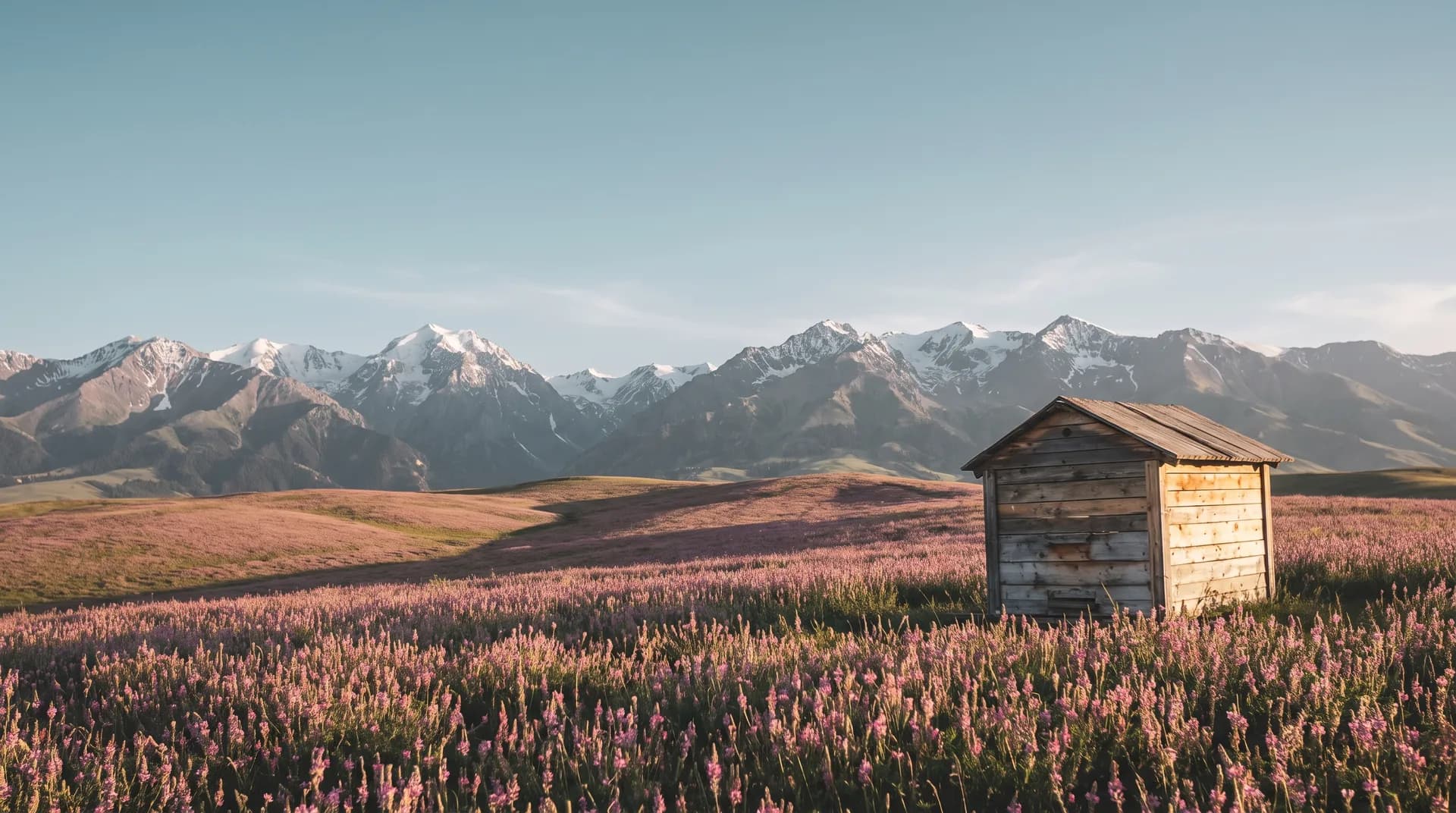
What Is Sainfoin Honey? The Complete Guide to a Rare Honey
Some honeys you find in every supermarket. Then there is sainfoin honey.

The Makers
Luxury Honey: What Premium Honey Actually Means
The gap between a €3 supermarket honey and a €40 specialty jar is bigger than most people think. What real quality comes down to.
The Makers
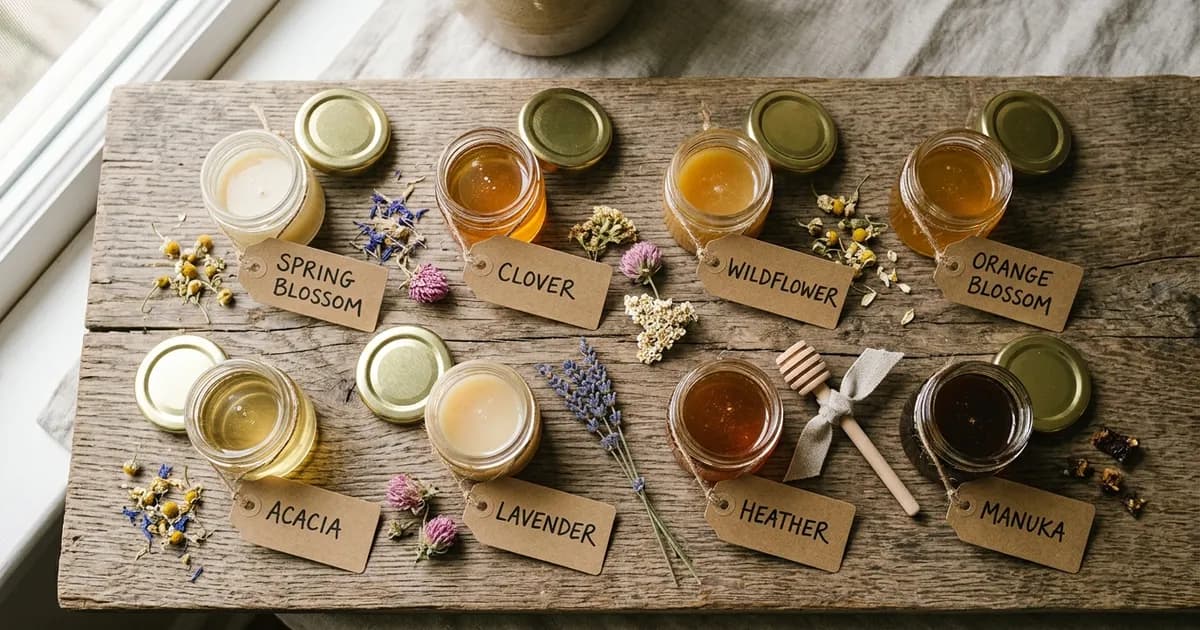
Best Honey in Germany 2026
The best honey varieties in Germany 2026: From forest honey to acacia to Manuka — an honest comparison with ratings.
From the Hive
Honey knowledge the supermarket skips
Twice a month: varietals, harvest, origin. Plus 10% off your first order.
10% off your first order · No spam. Unsubscribe anytime.