
The Land
Kyrgyz Tea Culture: Traditions, Rituals, and Hospitality
Last updated:

Tea as a Way of Life
In Kyrgyzstan, people don't simply drink tea. They celebrate it. Every meal begins and ends with tea. Every guest is greeted with a fresh pot. And whenever something important needs discussing — a deal, a wedding, a dispute — it happens over tea.
This tea culture has nothing in common with the elaborate ceremonies of Japan or China. It is more grounded, more matter-of-fact. Tea belongs to Kyrgyz daily life like bread and air.
In Kyrgyzstan, you never fill a tea cup to the brim. A half-full glass means: I'll gladly pour you more — stay a little longer.
What Tea Do People Drink?
The standard tea in Kyrgyzstan is black tea, usually from Chinese or Indian production. It is brewed strong and served with milk — similar to British milky tea, but with one crucial difference: in Kyrgyzstan, butter or cream is often added, sometimes even salt.
In the summer months on the high pastures, people frequently drink green tea, which is considered cooling. Herbal teas made from wild mountain herbs — thyme, oregano, St. John's wort — serve as both home remedies and a simple pleasure.
From the Hive
Honey knowledge the supermarket skips
Twice a month: varietals, harvest, origin. Plus 10% off your first order.
10% off your first order · No spam. Unsubscribe anytime.
The Ritual of Pouring
Pouring the tea follows unwritten rules:
- The youngest woman at the table pours — it is an honour, not a duty.
- The cup is filled only a third or halfway, so the tea stays hot and can be refilled often.
- The guest of honour is served first, then the elders.
- The frequent refilling is a sign of affection: it shows that you are giving the guest your attention.
Dastorkon: The Laid Tea Table
Tea always comes with a Dastorkon — a tablecloth on which bread, sweets, dried fruits, and nuts are arranged. Even in the simplest households, the Dastorkon is lovingly prepared. It is an expression of respect toward the guest and says: you are welcome, we share what we have.
What Tea Culture Reveals About Kyrgyzstan
The way Kyrgyz people drink tea tells you a great deal about their values: hospitality, community, respect for elders, and a willingness to take time. In a world that keeps speeding up, Kyrgyz tea culture is a gentle reminder that the most important conversations begin over a cup.
In Kyrgyzstan, refusing tea is not declining a drink — it is turning down an invitation to belong.
At ULU, we see tea culture as part of the bigger picture: craft that is created in stillness. Products made with care. Relationships that begin over a cup of tea.
Share
In Kyrgyzstan, you never fill a tea cup to the brim — a half-full glass means: I'll gladly pour you more, stay a little longer.
In Kyrgyzstan, refusing tea is not declining a drink — it is turning down an invitation to belong.
The youngest woman at the table pours the tea — it is an honour, not a duty.
Frequently Asked Questions
A half-full cup means the host is happy to refill it — a gesture of attentiveness. It also keeps the tea hot. Frequent refilling shows affection and appreciation toward the guest.
Mainly strong black tea with milk, sometimes with butter or cream. In summer, green tea is popular, and herbal teas from wild mountain herbs like thyme, oregano, or St. John's wort are valued as home remedies.
A Dastorkon is the traditional tablecloth on which bread, sweets, dried fruits, and nuts are arranged alongside tea. Even in simple households it is lovingly prepared — as a sign of respect and hospitality.

Jamilia
Autorin, ULU Magazin
Jamilia schreibt über kirgisisches Handwerk, Honig und die Geschichten hinter den Produkten. Aufgewachsen in Zentralasien, lebt sie zwischen Bischkek und Berlin.
Related Articles
The Land
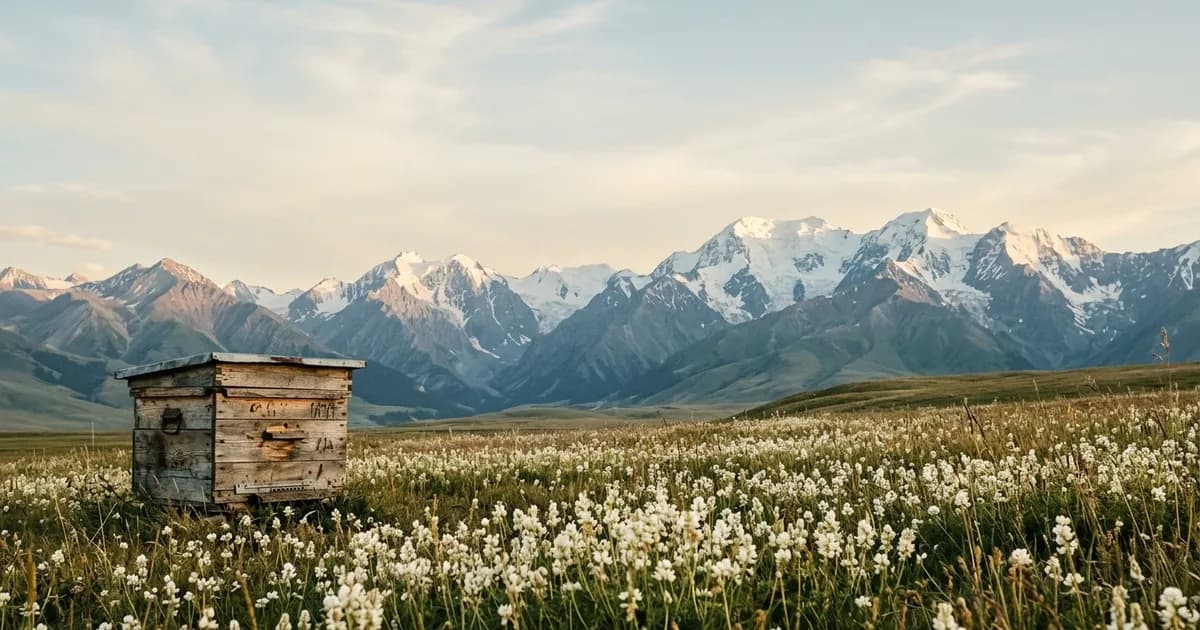
3,000 Metres: Why Genuine Mountain Honey Comes from the Tian Shan
Most honey labelled "mountain honey" comes from valleys at a few hundred metres elevation. Genuine mountain honey from the Tian Shan is something entirely different — and the difference starts at 2,400 metres.
The Land
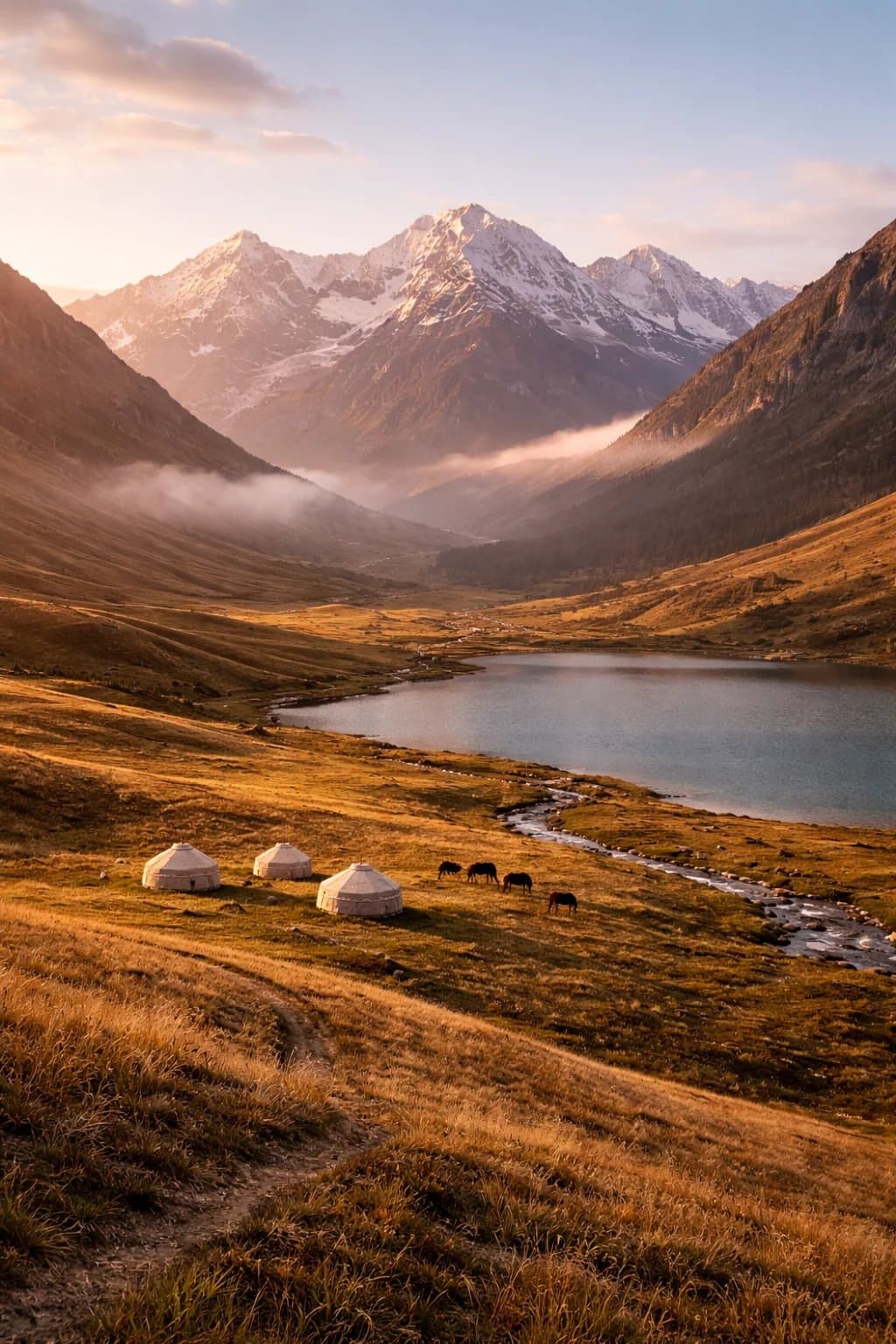
Kyrgyzstan — The Land Behind Our Products
Kyrgyzstan lies at the heart of Central Asia — a land of towering mountains, endless steppes, and a vibrant nomadic culture. This is where the materials and artisan traditions that define ULU come to life.
The Land
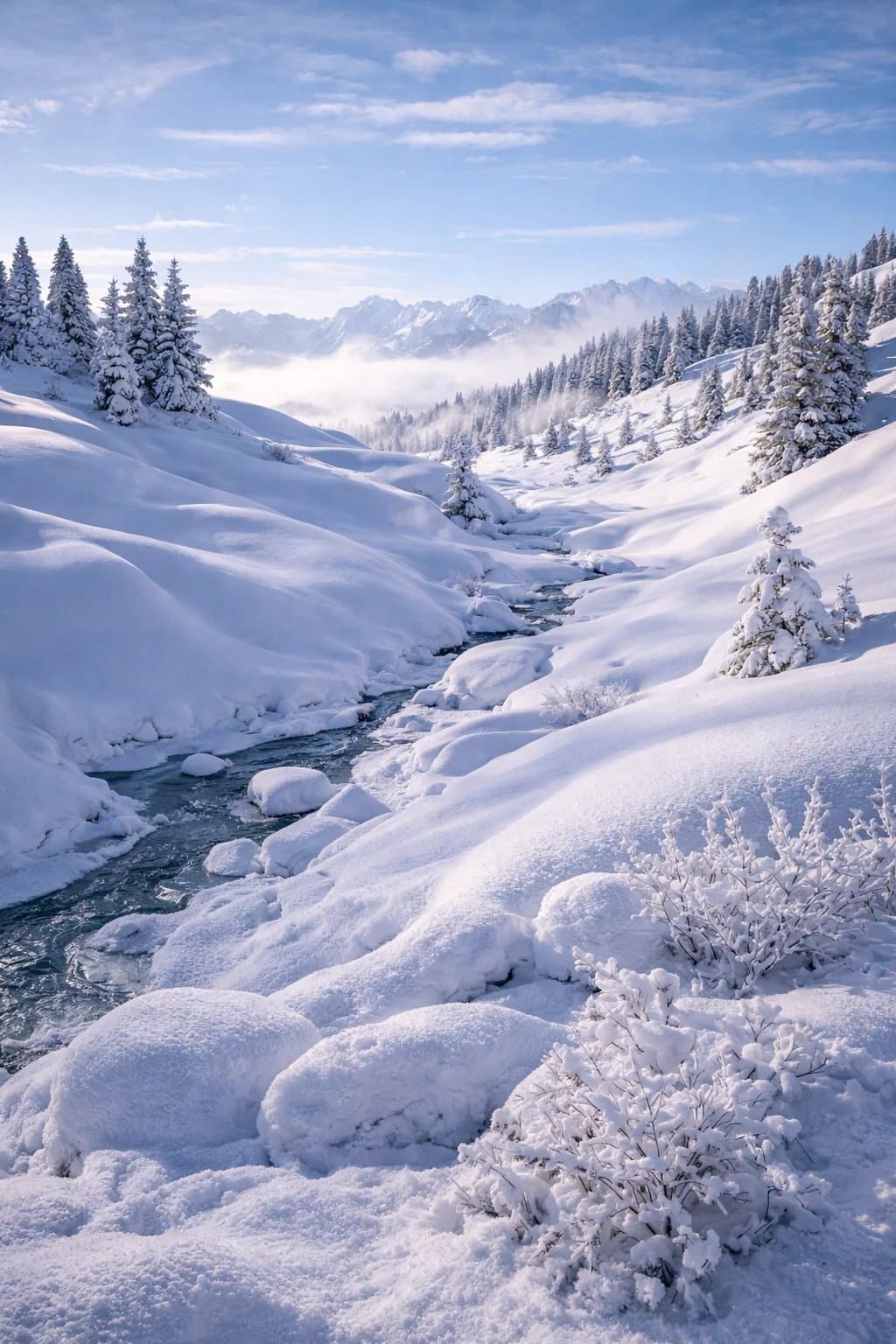
How Altitude Shapes Wool Quality
At 3,000 metres, the air is thin, the winters long, and the sheep have adapted. The result: a wool that is denser, warmer, and more resilient than anything grown in the lowlands.
From the Hive
Honey knowledge the supermarket skips
Twice a month: varietals, harvest, origin. Plus 10% off your first order.
10% off your first order · No spam. Unsubscribe anytime.