
The Land
How Altitude Shapes Wool Quality
Last updated:
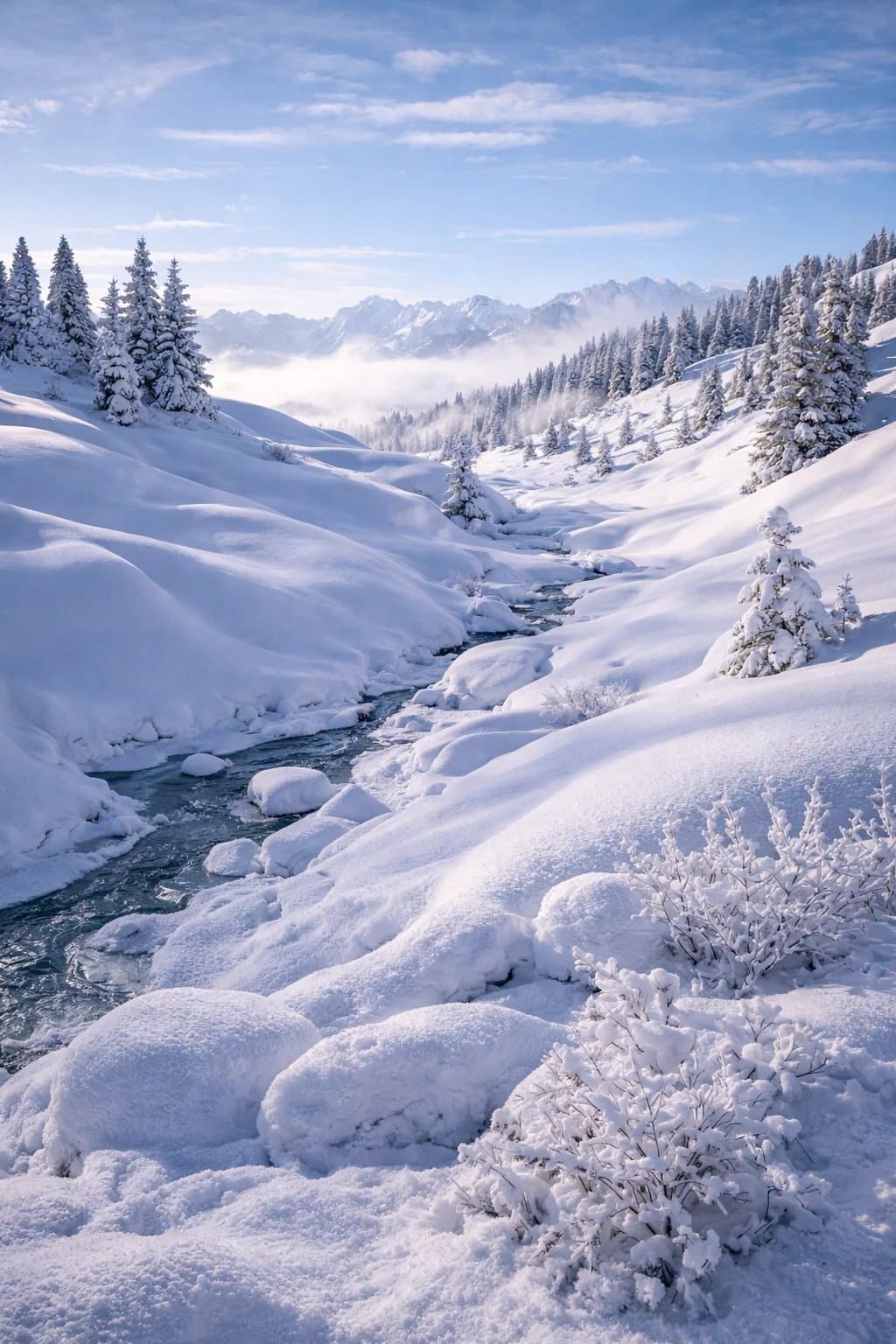
Why Is Highland Wool Denser Than Lowland Wool?
Sheep on the high plateaus of the Tian Shan face extreme conditions: minus 30 degrees in winter, plus 35 in summer, and intense UV radiation at 3,000 metres above sea level. Nature responds with a fleece that is denser, finer, and more elastic than that of lowland breeds.
The fibre density of Kyrgyz mountain wool averages 22 microns — comparable to fine Merino wool, but with a natural crimp that provides better insulation.
What Role Does the Sheep's Diet Play?
The high alpine pastures (Jailoos) are rich in wild herbs and grasses that flourish during the short mountain summer. This natural, diverse diet directly influences wool quality: the fibres become more supple and take on natural dyes more readily.
Sheep grazing above 2,500 metres produce wool with up to 30% more crimp than lowland breeds — meaning better insulation and greater elasticity.
From the Hive
Honey knowledge the supermarket skips
Twice a month: varietals, harvest, origin. Plus 10% off your first order.
10% off your first order · No spam. Unsubscribe anytime.
What Does This Mean for Processing?
Highland wool felts better, weaves better, and dyes better. During the wet felting process that Gulnara uses in Naryn, the crimped fibres lock together more tightly. The result is a denser, more durable felt.
The difference also shows in weaving: the scarves from our Highland Wool Collection drape more softly and have a natural sheen that industrial wool only achieves through chemical treatment.
Can You Feel the Difference?
Yes — immediately. Highland wool feels softer, is less scratchy, and has a springy quality that lowland wool simply lacks. The simplest test: hold a piece of fabric against your cheek. Quality wool feels warm without scratching.
Share
Sheep grazing above 2,500 metres produce wool with up to 30% more crimp than lowland breeds.
The fibre density of Kyrgyz mountain wool averages 22 microns — comparable to fine Merino wool.
Hold a piece of highland wool against your cheek — quality wool feels warm without scratching.
Frequently Asked Questions
Merino wool is a breed designation, while mountain wool describes the origin. Kyrgyz mountain wool has a similar fineness to Merino (around 22 microns) but a stronger natural crimp due to the extreme high-altitude conditions.
The sheep produce less wool per animal, harvesting is more labour-intensive (no machine shearing on steep alpine pastures), and quality control is done by hand. In return, a product made from highland wool lasts significantly longer.
Wool is generally not hypoallergenic, but fine mountain wool with a fibre diameter under 25 microns triggers skin reactions far less frequently than coarse wool. The natural lanolin in mountain wool also has antibacterial properties.

Jamilia
Autorin, ULU Magazin
Jamilia schreibt über kirgisisches Handwerk, Honig und die Geschichten hinter den Produkten. Aufgewachsen in Zentralasien, lebt sie zwischen Bischkek und Berlin.
Related Articles
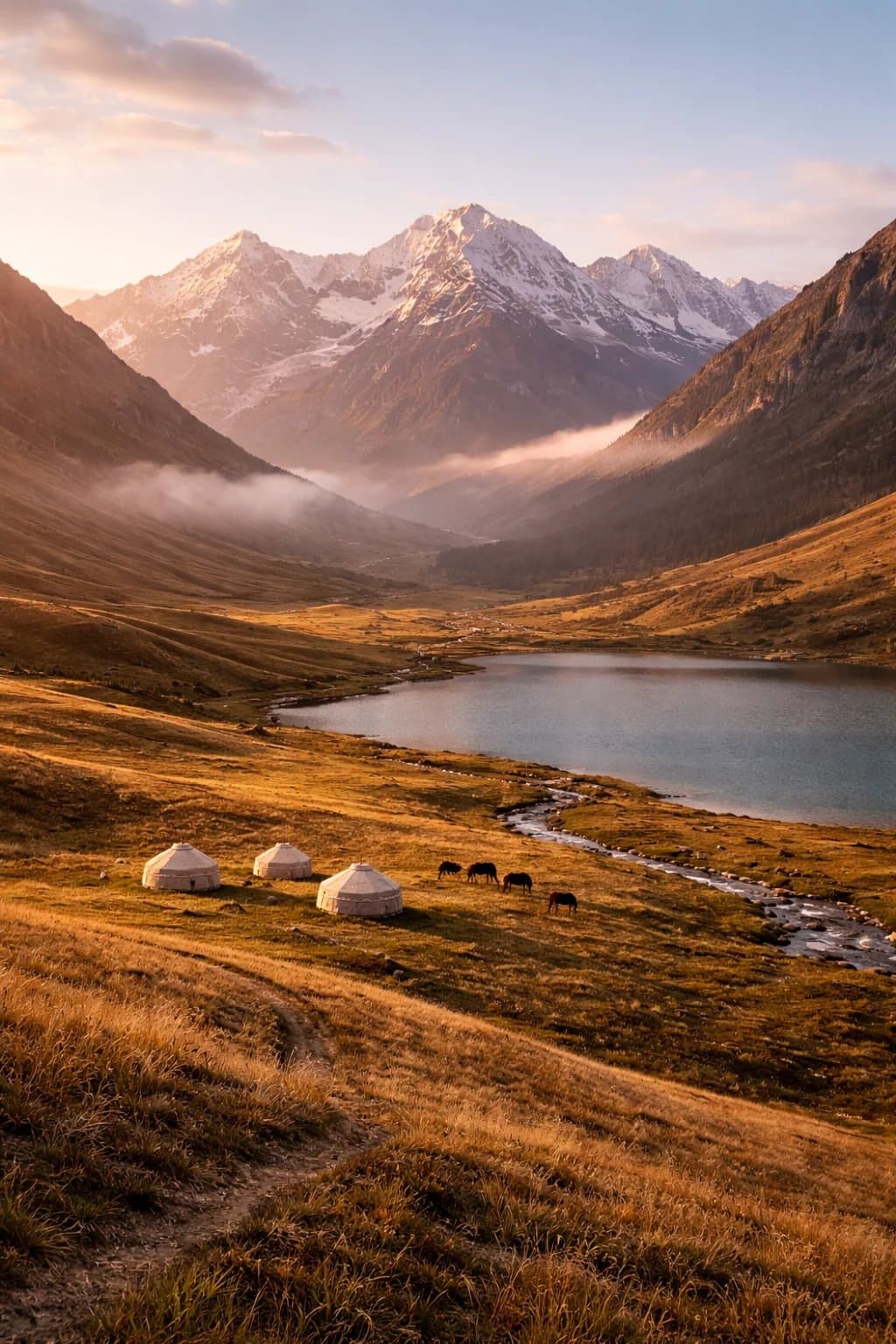
The Land
Kyrgyzstan — The Land Behind Our Products
Kyrgyzstan lies at the heart of Central Asia — a land of towering mountains, endless steppes, and a vibrant nomadic culture. This is where the materials and artisan traditions that define ULU come to life.
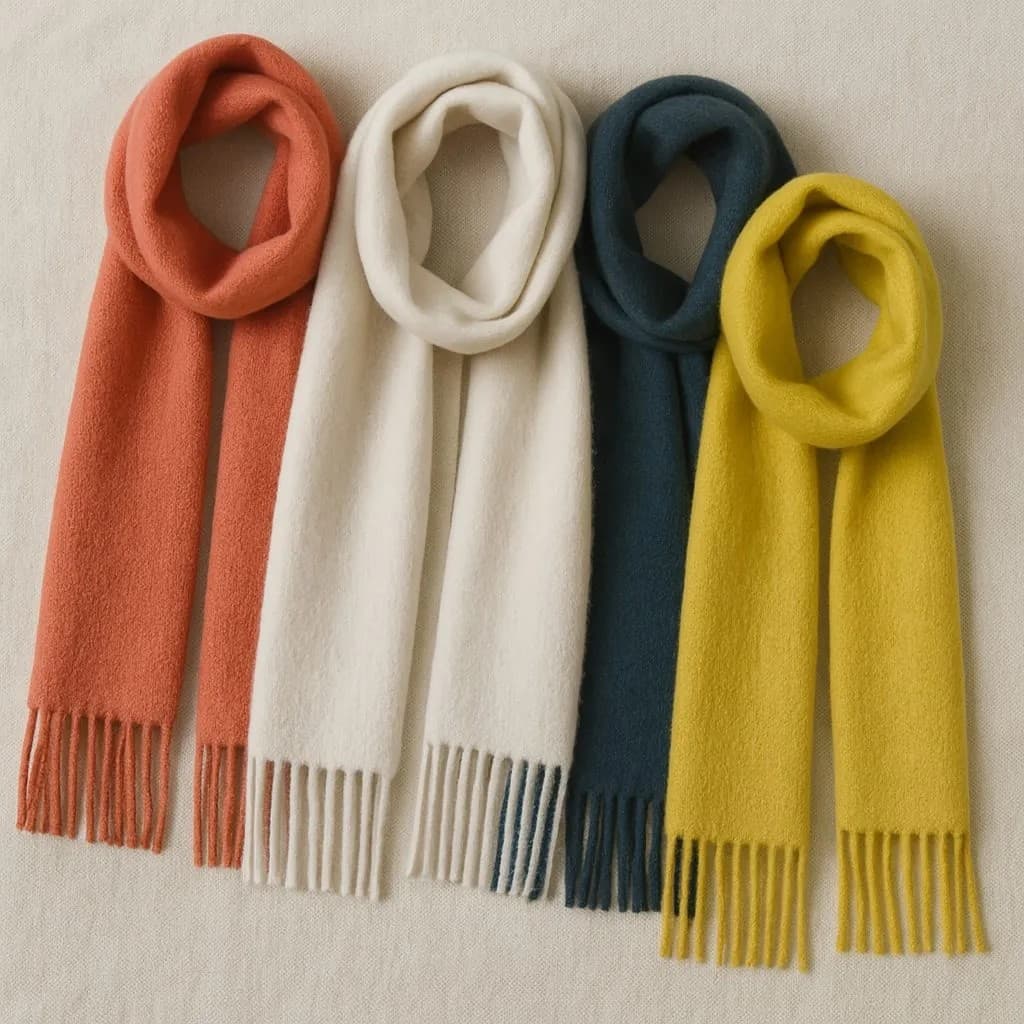
Conscious Living
Conscious Shopping: What to Look for in Wool Products
Not all wool is created equal. Conscious shoppers pay attention to origin, animal welfare, processing, and transparency. Five criteria that make the difference between fast fashion and genuine craftsmanship.
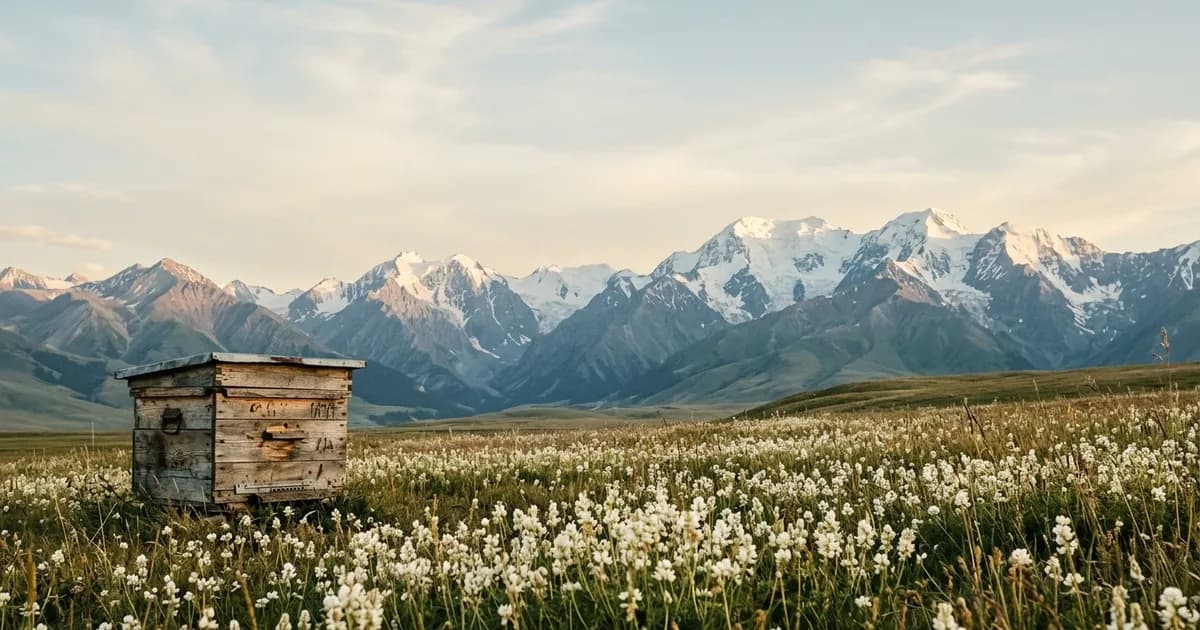
The Land
3,000 Metres: Why Genuine Mountain Honey Comes from the Tian Shan
Most honey labelled "mountain honey" comes from valleys at a few hundred metres elevation. Genuine mountain honey from the Tian Shan is something entirely different — and the difference starts at 2,400 metres.
From the Hive
Honey knowledge the supermarket skips
Twice a month: varietals, harvest, origin. Plus 10% off your first order.
10% off your first order · No spam. Unsubscribe anytime.