
The Makers
Quality Markers & Authenticity of Kyrgyz Highland Honey
Last updated:
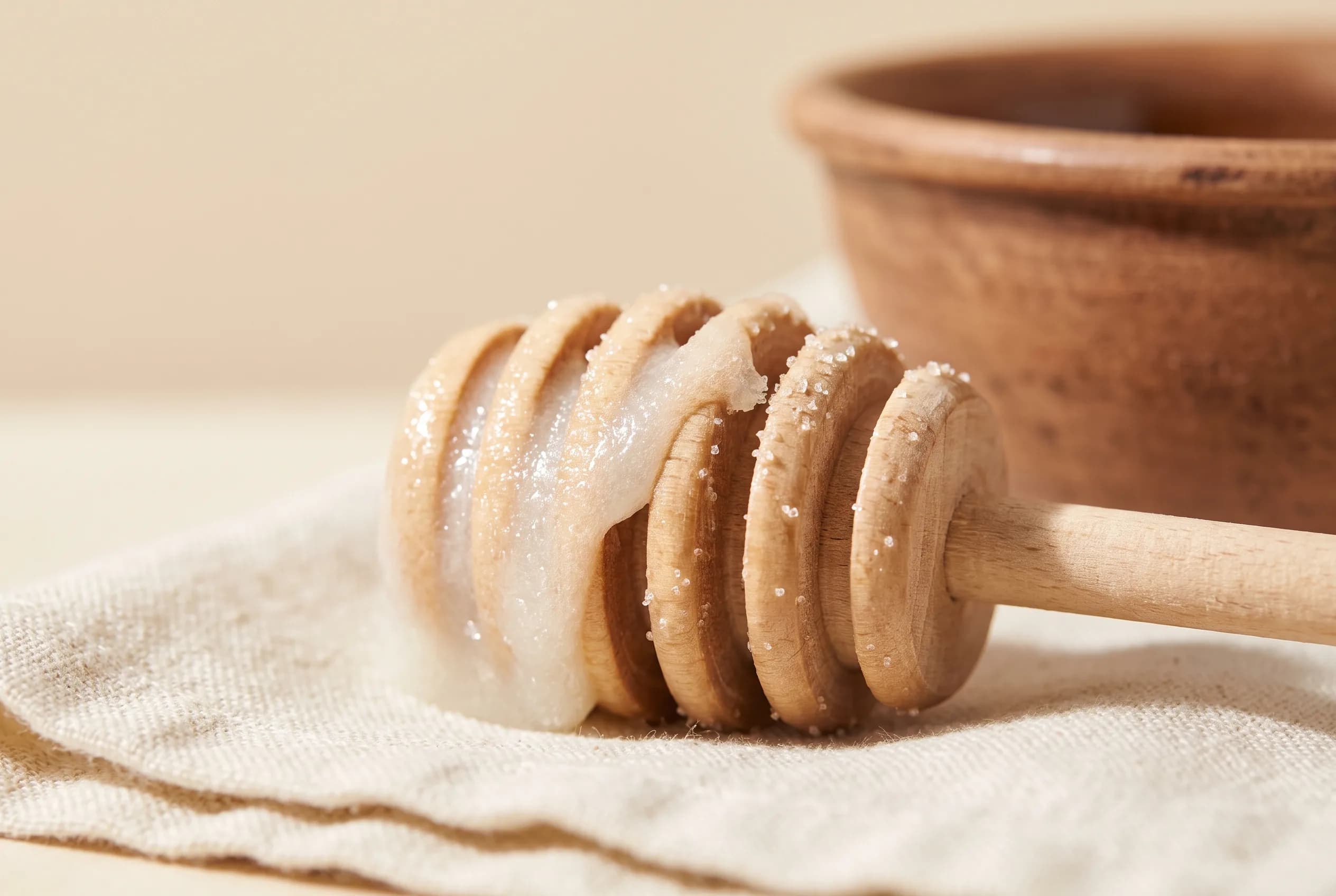
When you open a jar of genuine Kyrgyz highland honey for the first time, you will probably pause for a moment. The color is not amber-gold or dark brown, but milky-white to pearlescent. The texture is more reminiscent of delicate butter than viscous syrup.
For gourmets and health-conscious connoisseurs, this "edible gold" from Central Asia has long been an open secret. But its extreme rarity and correspondingly high price -- often above 80 to 100 euros per kilogram -- raise legitimate questions when deciding on a premium honey: How does this extraordinary white color occur naturally? What justifies the price? And above all: how do you distinguish authentic highland honey from industrially adulterated fakes?
We want to answer exactly these questions. We take you on a journey to 3,000 meters elevation and show you the physical, botanical, and artisanal facts that make ULU Style's "White Gold" Mountain Honey one of the purest natural products in the world.
Sainfoin Honey: The Unique Nectar Profile
The magical ingredient behind the white color and creamy consistency of our honey grows on the barren yet untouched soils of the Kyrgyz highlands: the Sainfoin (botanically Onobrychis viciifolia).
While conventional honeys often arise from a mix of various blossoms, White Gold is an extremely pure, monofloral honey. Botanical studies show that the bright pink Sainfoin flowers attract up to ten times more bees than ordinary white clover. The bees fly to these blossoms with absolute preference, which guarantees the extraordinary varietal purity of this honey.
But why does it turn white? The secret lies in the specific sugar profile of Sainfoin nectar. It has a naturally exceptional glucose-to-fructose ratio. Glucose crystallizes very rapidly and in extremely fine crystals. It is precisely this rapid, dense crystallization process that refracts light in a way that makes the honey appear pearlescent white and opaque to our eyes. It is pure physics, driven by one of the most fascinating plants of the high mountains.
The Significance of 3,000m Elevation for Honey Quality
Not every Sainfoin honey can call itself genuine "White Gold." The true quality marker of our honey is its origin: the wild Jailoo valleys in the Naryn region, at over 3,000 meters elevation.
In this isolated alpine landscape, there is no conventional agriculture, no industrial emissions, and absolutely no pesticides. The wild flora is 100 percent natural. But altitude does not only affect purity from contaminants -- it also massively changes the physical properties of the honey.
The harsh, dry highland climate forces the bees to process the nectar particularly intensively. The result is an extremely dense, enzyme-rich honey with a moisture content guaranteed to be below 18 percent. This low water content is a laboratory-measurable, decisive quality marker: it prevents any natural fermentation, keeps the honey shelf-stable for years, and intensifies the concentration of valuable flavonoids and antioxidants to a maximum.
From the Hive
Honey knowledge the supermarket skips
Twice a month: varietals, harvest, origin. Plus 10% off your first order.
10% off your first order · No spam. Unsubscribe anytime.
Sensory Profile of Highland Honey: Color, Consistency, and Flavor
When comparing different honey varieties, sensory evaluation is the most reliable indicator of true quality. Authentic Kyrgyz highland honey offers an experience distinctly different from standard supermarket products:
- Color: Genuine White Gold is never a bright, artificial white like a sheet of paper. It shimmers between milky-white and a soft ivory or pearlescent tone.
- Consistency: Thanks to the fine-grained crystallization of the Sainfoin nectar, the honey practically melts like silk or soft butter on the tongue. It works excellently as a spread since it does not drip off bread.
- Flavor: Despite its intense nutrient density, this honey is never overwhelmingly sweet. It unfolds a complex, floral bouquet with distinct, warm notes of fresh dates and a hint of walnut.
Traditional Beekeeping: Methods That Protect the Honey
The finest nectar quality is worthless if it is destroyed during harvest. The nomadic families ULU Style works with directly -- no middlemen -- follow a rhythm that respects nature. There is only one single, carefully timed harvest per year at the end of the short mountain summer.
Our highland honey is gently processed at max. 40 °C, not pasteurised. Industrial honey is often heavily heated to make it liquid and speed up bottling.
The Fake Check: How to Spot Genuine White Highland Honey
Unfortunately, many counterfeits of white highland honey are in circulation.
Here is how you, as a buyer, separate the wheat from the chaff:
- Weight and density: Fake white honey is often mechanically whipped with air (creamed honey) to appear lighter. Genuine highland honey is solid, heavy, and dense. When you dip the spoon in, you feel a distinct resistance.
- The melt test: Place half a teaspoon into a glass of lukewarm water. Artificially adulterated honey (often cut with glucose syrup or condensed milk) dissolves extremely quickly and clouds the water unnaturally. Genuine Sainfoin honey sinks to the bottom as a compact drop and dissolves only slowly with constant stirring.
- Temperature sensitivity: Naturally pure, unpasteurized honey responds to its environment. In midsummer, it softens slightly at the surface; in winter, it firms up in a cool cupboard. Honey that shows absolutely no change in consistency across extreme temperature differences has been industrially modified.
Purity Guarantee: Why Our White Gold Accepts No Compromises
At ULU Style, we live by the principle "Move light. Live deep." For us, that also means creating absolute transparency. We do not rely on vague claims like "from alpine meadows" but position our beekeeping exactly where quality is highest: at 3,000 meters in the Kyrgyz mountains.
Through our direct-trade model, we eliminate complex supply chains and middlemen. We know the families who harvest this honey. Not pasteurised, no blending with cheap filler honeys, no compromises.
***
Frequently Asked Questions (FAQ) for Your Decision
Why is Kyrgyz honey more expensive than regular honey? The price reflects the extreme conditions. At 3,000m elevation, the bees have only a very short window (a few weeks in midsummer) for nectar collection. Additionally, the yield is lower, but the honey is significantly denser and richer in enzymes. The manual, cold harvest in these remote regions is pure handwork.
May small children eat this honey? As with any honey: infants and children under 12 months must not consume honey, as their digestive tract is not yet fully developed (risk of infant botulism). For children over one year and adults, it is absolutely safe and healthy.
How should I store the honey to preserve its white color and consistency? Store your White Gold in a dark, dry place at a consistent room temperature (approx. 15-20 degrees Celsius). Do not put it in the refrigerator, as it will become very hard. Protect it from direct sunlight to avoid destroying the valuable enzymes through UV light and heat.
My honey has become somewhat firmer on the surface -- is that normal? Yes, this is an absolute quality marker! Unpasteurized Sainfoin honey continues to crystallize. When white, slightly firmer structures form on the surface, this is the best proof that your honey was not pasteurized or industrially modified.
***
The decision to choose genuine Kyrgyz highland honey is more than just choosing a sweetener. It is a decision for unadulterated nature, traditional craftsmanship, and a flavor that has been nearly lost in the modern food industry.
ULU Style is currently preparing for the official launch of its first collection.
Share
The bright pink Sainfoin flowers attract up to ten times more bees than ordinary white clover.
The naturally high glucose-to-fructose ratio in Sainfoin nectar leads to rapid, fine crystallisation that makes the honey appear pearlescent white — it is pure physics.
In the Jailoo valleys of the Naryn region at over 3,000 metres, there is no conventional agriculture, no industrial emissions, and absolutely no pesticides.
Frequently Asked Questions
The price reflects the extreme conditions. At 3,000m elevation, the bees have only a very short window (a few weeks in midsummer) for nectar collection. Additionally, the yield is lower, but the honey is significantly denser and richer in enzymes. The manual, cold harvest in these remote regions is pure handwork.
As with any honey: infants and children under 12 months must not consume honey, as their digestive tract is not yet fully developed (risk of infant botulism). For children over one year and adults, it is absolutely safe and healthy.
Store your White Gold in a dark, dry place at a consistent room temperature (approx. 15-20 degrees Celsius). Do not put it in the refrigerator, as it will become very hard. Protect it from direct sunlight to avoid destroying the valuable enzymes through UV light and heat.
Yes, this is an absolute quality marker! Unpasteurized Sainfoin honey continues to crystallize. When white, slightly firmer structures form on the surface, this is the best proof that your honey was not pasteurized or industrially modified.

Jamilia
Autorin, ULU Magazin
Jamilia schreibt über kirgisisches Handwerk, Honig und die Geschichten hinter den Produkten. Aufgewachsen in Zentralasien, lebt sie zwischen Bischkek und Berlin.
Related Articles
The Makers
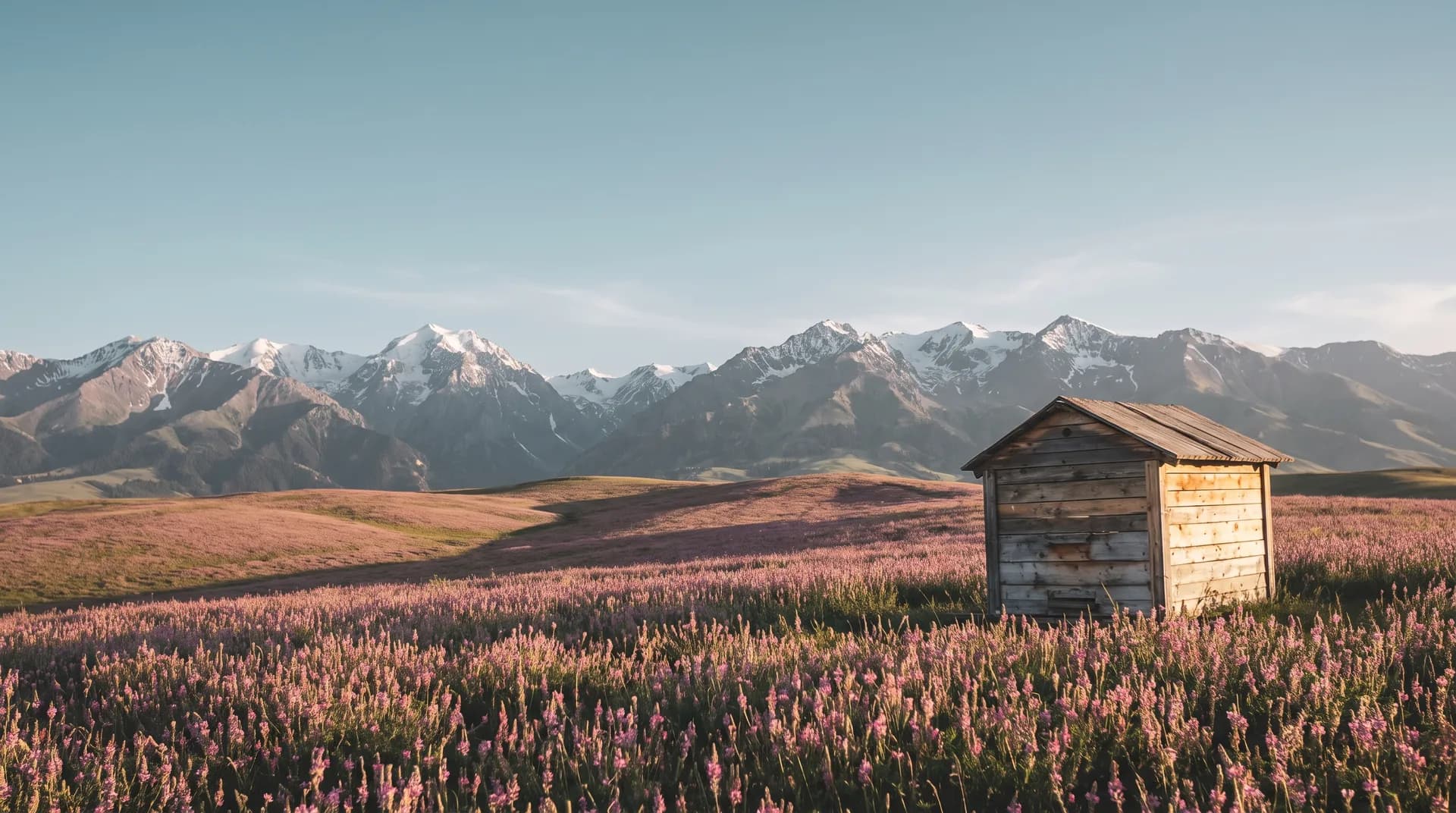
What Is Sainfoin Honey? The Complete Guide to a Rare Honey
Some honeys you find in every supermarket. Then there is sainfoin honey.

The Makers
Luxury Honey: What Premium Honey Actually Means
The gap between a €3 supermarket honey and a €40 specialty jar is bigger than most people think. What real quality comes down to.
The Makers
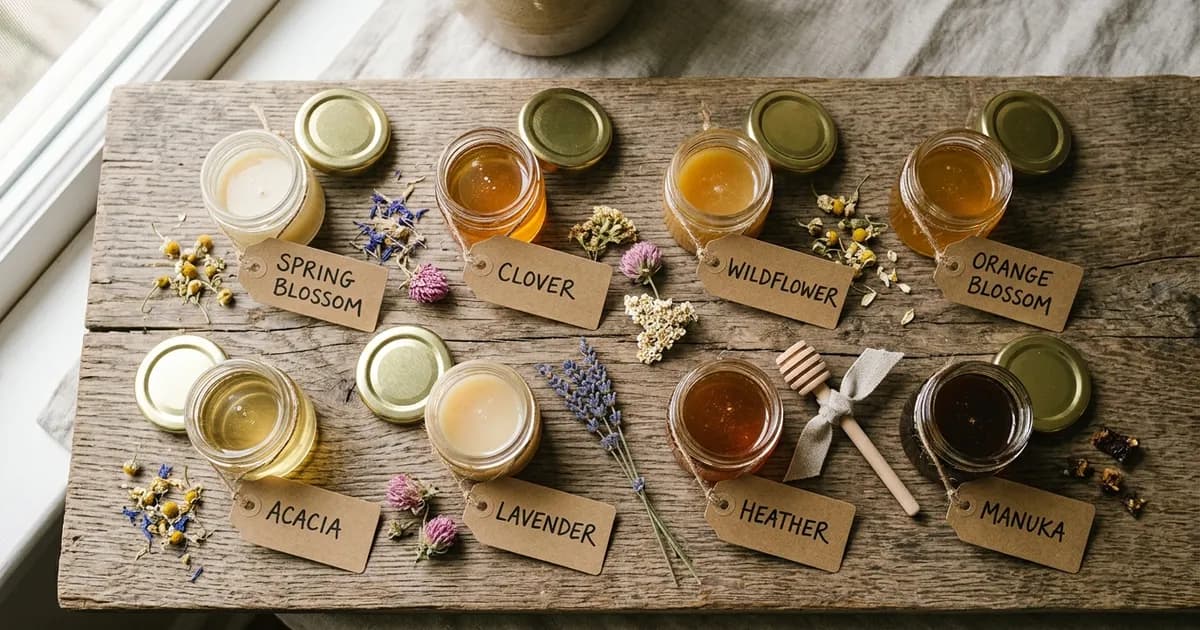
Best Honey in Germany 2026
The best honey varieties in Germany 2026: From forest honey to acacia to Manuka — an honest comparison with ratings.
From the Hive
Honey knowledge the supermarket skips
Twice a month: varietals, harvest, origin. Plus 10% off your first order.
10% off your first order · No spam. Unsubscribe anytime.