
The Makers
Slow Fashion & The Ethical Wardrobe: Your Path to Conscious Style
Last updated:
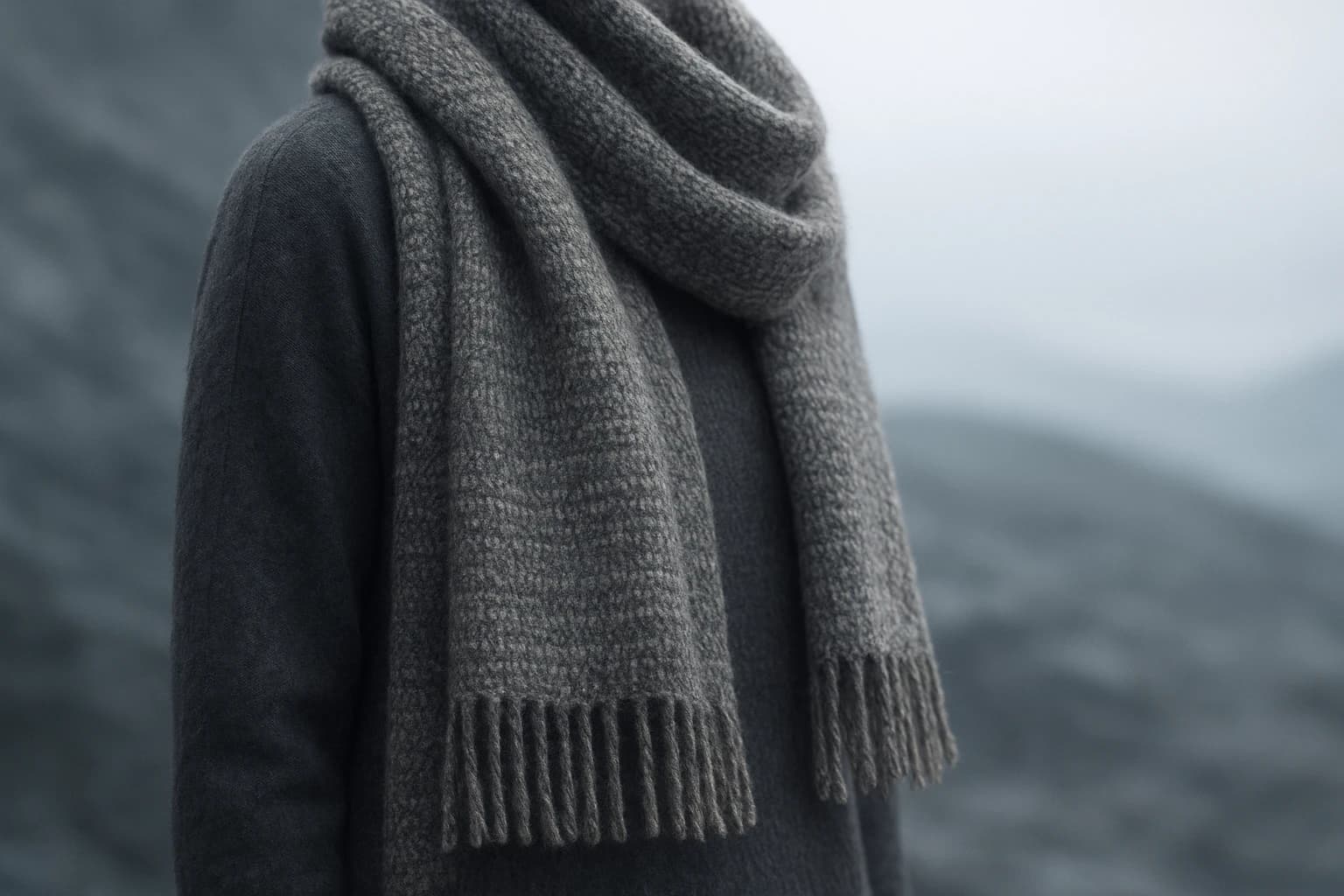
If you're reading this, you're probably at a turning point. You're tired of the overflowing closet full of "nothing to wear" moments. You're looking for clothing that doesn't just look good, but feels right — morally, in quality, and on your skin. The German market for sustainable fashion is growing rapidly for good reason; forecasts show annual growth of nearly 22 percent. But between greenwashing, endless certifications, and well-meaning advice, many consumers quickly lose their bearings when evaluating genuinely sustainable alternatives.
As experts in traditional craftsmanship and ethical trade, we don't simply want to show you products today. We want to give you a system. A clear, well-founded path to transform your wardrobe from a short-lived consumer good into a curated collection of timeless favourites — with a special focus on the unmatched qualities of pure highland wool.
More Than Just a Shell: Why We Wear Clothes (And Lost the Meaning Along the Way)
Have you ever wondered why we wear clothes? Originally, they served two essential purposes: protection from the elements and the expression of our cultural identity. Every hand-woven cloth, every pattern told a story about origin, status, and the weaver's skill.
The fast fashion industry has perverted this deep meaning. When people today wear masses of cheap counterfeit clothing or practise the toxic concept of "wardrobing" — wearing clothes and returning them, just to show a new outfit on social media for a day — fashion loses its soul. Worse still: this throwaway mentality fuels precarious working conditions and devours absurd amounts of resources.
Choosing fair clothing consciously is therefore far more than a fashion statement. It is an act of self-respect and a tribute to the artistry of those who craft these pieces over weeks of painstaking work.
The Ethical Wardrobe System: Own Less, Express More
If you want to shop for eco-friendly clothing, the most important advice is this: don't simply buy sustainable versions of your previous impulse purchases. Build a system. The most well-known and effective model for this is the capsule wardrobe.
The 80/20 Rule and the "Scarf Statement"
A well-functioning capsule wardrobe consists of 80 percent high-quality, minimalist basics in neutral colours. The magic happens in the remaining 20 percent: the "personality anchors."
Fashion analysts at Copenhagen Fashion Week have identified a clear trend for the coming seasons that pairs perfectly with the slow fashion movement: the "Scarf Statement." One generous, sculptural scarf made from genuine heritage wool is enough to completely transform a simple outfit of jeans and a jumper.
This is exactly where the hand-woven highland scarves from ULU-Style come in. Crafted by Kyrgyz women at altitudes above 2,500 metres, these scarves are not simply accessories. Through their unique texture and the deep cultural roots woven into their patterns, they become the centrepiece of your wardrobe — versatile, long-lasting, and unmistakable.
From the Hive
Honey knowledge the supermarket skips
Twice a month: varietals, harvest, origin. Plus 10% off your first order.
10% off your first order · No spam. Unsubscribe anytime.
The Natural Fibre Revolution: Performance Meets Purity
A telling sign of our times is that millions of people google why they need to wash clothes before wearing them. The answer is alarming: because fast fashion items are often coated with a cocktail of anti-mould agents and toxic dyes that can trigger severe allergies.
When you choose untreated natural fibres, this risk disappears entirely. Traditionally processed sheep's wool or alpaca wool is naturally pure.
A Marvel of Nature: What Happens When We Wear Wet Clothing?
This is where the true difference between cheap acrylic imitations and genuine highland wool becomes clear. If you're caught in an autumn downpour and have to wear wet clothing, synthetic fabrics immediately become a clammy trap that draws body heat away.
Wool, on the other hand, is an evolutionary masterpiece. Even when it has absorbed up to 30 percent of its own weight in moisture, it doesn't feel wet. What's more: the natural fibres release kinetic energy as warmth when absorbing moisture. A scarf or Steppe Ballerinas made from pure wool will insulate and warm you reliably even when damp — a property that has been vital for survival on the harsh Kyrgyz highlands for centuries.
Preserving Value and Longevity: Caring for Clothes Sustainably
Around 20 percent of a garment's ecological footprint is created after purchase. Incorrect washing not only ruins fibres but also wastes enormous amounts of water and energy. If you want to care for clothes sustainably, you need to fundamentally rethink your approach, especially with fine fibres and highland wool.
Forget everything you know about washing cotton T-shirts.
The ULU-Style Care Philosophy for Natural Fibres
To keep your wool scarves and handcrafted felt products looking like new for decades, follow these textile-expert-approved guidelines:
- Airing beats washing: Highland wool possesses self-cleaning properties thanks to natural wool grease (lanolin) and its scaly fibre structure. Odours neutralise themselves when you hang the piece overnight in fresh, humid air (e.g. on the balcony).
- The gentle hand wash: If a stain needs removing, use cold to lukewarm water and a mild, re-fatting wool detergent. Important: never rub, scrub, or wring! The fibres could felt. Simply press the water out gently.
- Dry flat: Carefully roll the damp piece in a towel, press out the remaining moisture, and gently reshape it. Then let it dry flat on a drying rack.
- Natural moth protection: To protect your investment from moths, never store wool in plastic. Instead, use sachets of dried lavender or untreated cedarwood in your wardrobe.
FAQ: Common Questions About Switching to Fair Fashion
Isn't ethical fashion much more expensive than conventional clothing? Consider the "cost-per-wear." A fast fashion scarf for 20 euros that scratches and pills after one season is ultimately more expensive than a hand-woven masterpiece that accompanies you for a lifetime — and might even be passed on to the next generation.
How do I best start with a sustainable wardrobe? Clear out what you don't wear (donate or recycle it). Define your base colours. Then invest deliberately in one or two outstanding, ethically produced pieces — like a timeless scarf made from genuine craftsmanship — that elevate your existing basics.
Why are natural fibres like wool more sustainable than recycled polyester? While recycled polyester does reuse old plastic, it continues to release microplastics into groundwater with every wash cycle. Untreated wool is 100 percent biodegradable, protects waterways, and requires extremely infrequent washing.
Next Steps: Join the ULU-Style Journey
The decision to choose ethical fashion is a process. It's not about being perfect overnight, but about making more conscious choices. Choosing clothing whose origin you know. Supporting artisans who can live fairly from their craft.
This is exactly what ULU-Style stands for. Under the motto "Move light. Live deep." we bring the raw, pure beauty of the Kyrgyz highlands directly to you. Without middlemen, with absolute transparency, and an uncompromising focus on quality.
Our first collection — featuring hand-woven highland scarves, warming Steppe Ballerinas made from pure felt, and rare white mountain honey — is launching soon.
Prepare for your ethical wardrobe: subscribe to our newsletter. You'll receive not only exclusive order now and special conditions for our store collection, but also deeper insights into the stories of the herding families who create these textile works of art. Choose fashion that lasts.
Share
The German market for sustainable fashion is growing at an annual rate of nearly 22 percent.
A functioning capsule wardrobe consists of 80 percent high-quality basics — the magic happens in the remaining 20 percent, the personality anchors.
Choosing fair clothing consciously is far more than a fashion statement — it is an act of self-respect.
Frequently Asked Questions
This is where the true difference between cheap acrylic imitations and genuine highland wool becomes clear. If you're caught in an autumn downpour and have to wear wet clothing, synthetic fabrics immediately become a clammy trap that draws body heat away.
How do I best start with a sustainable wardrobe? Clear out what you don't wear (donate or recycle it). Define your base colours. Then invest deliberately in one or two outstanding, ethically produced pieces — like a timeless scarf made from genuine craftsmanship — that elevate your existing basics.
Why are natural fibres like wool more sustainable than recycled polyester? While recycled polyester does reuse old plastic, it continues to release microplastics into groundwater with every wash cycle. Untreated wool is 100 percent biodegradable, protects waterways, and requires extremely infrequent washing.

Jamilia
Autorin, ULU Magazin
Jamilia schreibt über kirgisisches Handwerk, Honig und die Geschichten hinter den Produkten. Aufgewachsen in Zentralasien, lebt sie zwischen Bischkek und Berlin.
Related Articles

The Makers
What Is Sainfoin Honey? The Complete Guide to a Rare Honey
Some honeys you find in every supermarket. Then there is sainfoin honey.

The Makers
Luxury Honey: What Premium Honey Actually Means
The gap between a €3 supermarket honey and a €40 specialty jar is bigger than most people think. What real quality comes down to.
The Makers
Best Honey in Germany 2026
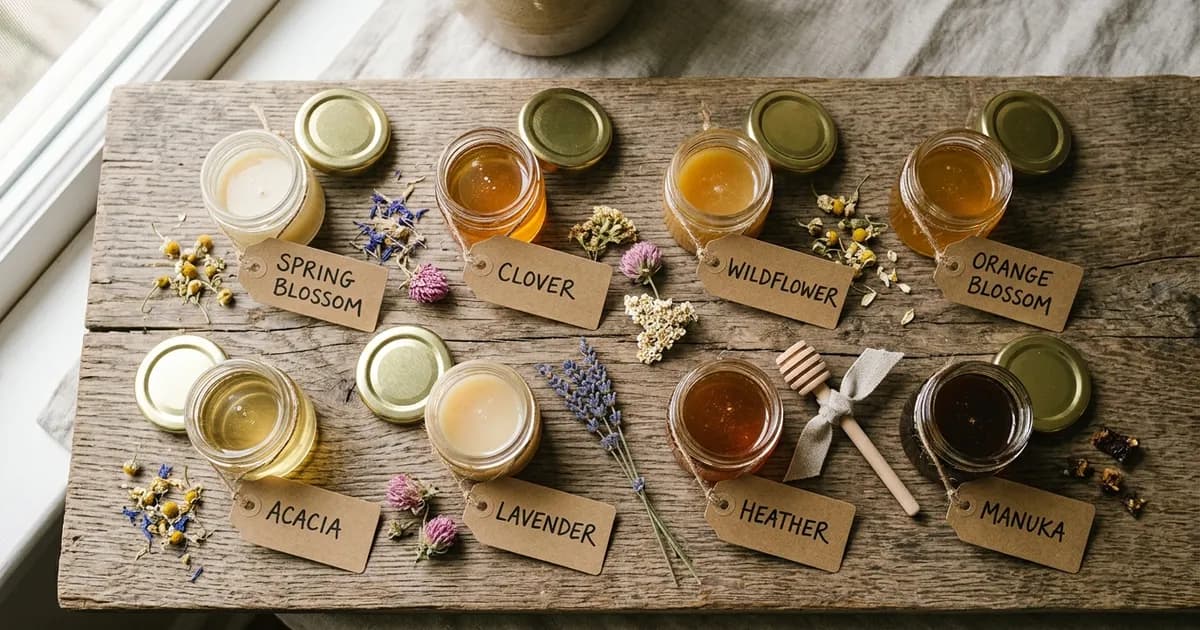
The best honey varieties in Germany 2026: From forest honey to acacia to Manuka — an honest comparison with ratings.
From the Hive
Honey knowledge the supermarket skips
Twice a month: varietals, harvest, origin. Plus 10% off your first order.
10% off your first order · No spam. Unsubscribe anytime.