
The Makers
The Philosophy of Slow Living: Finding Calm in Everyday Life
Last updated:
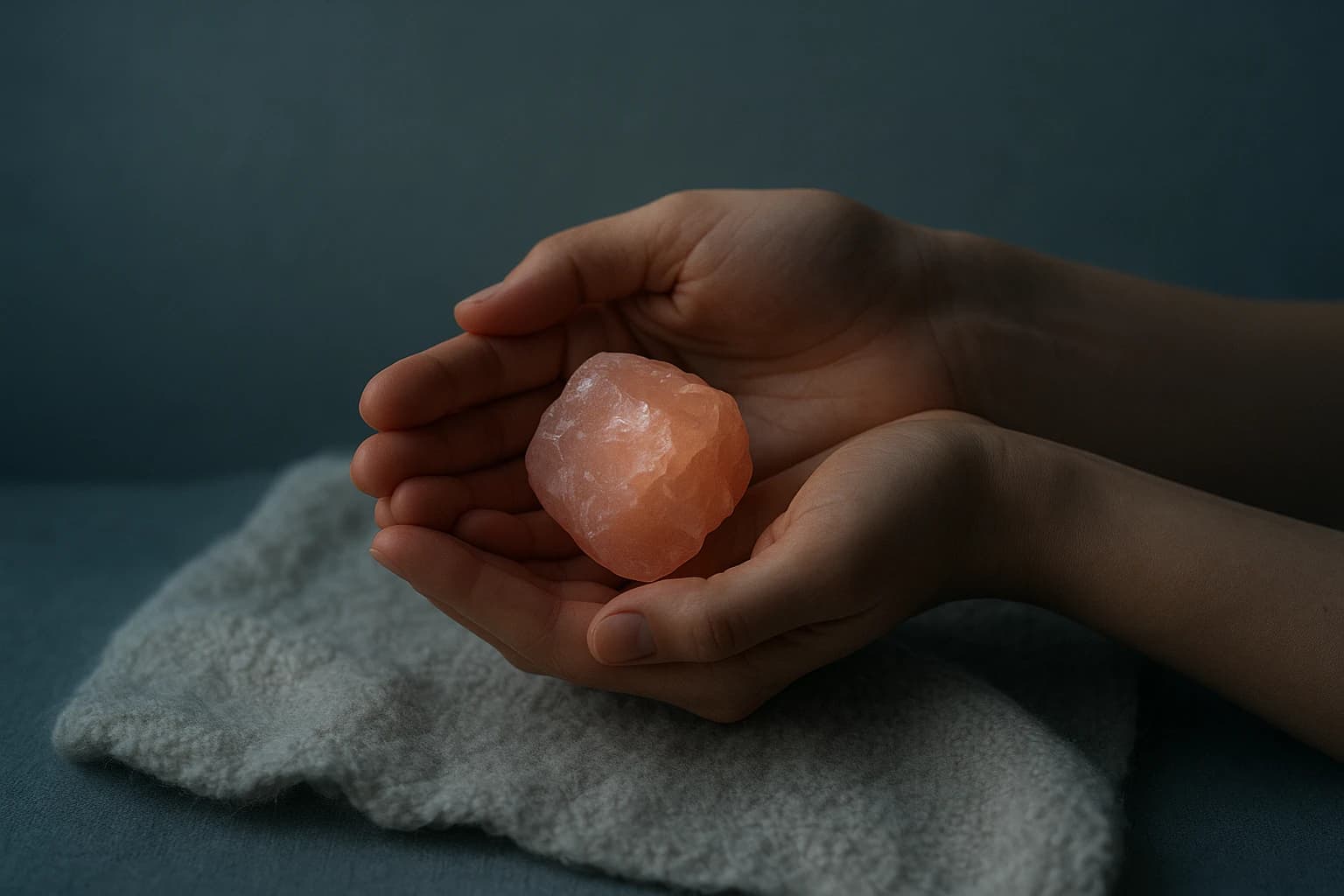
Do you sometimes feel like you're on a hamster wheel that keeps spinning faster? You rush from one appointment to the next, juggling professional and personal obligations, and at the end of the day you're left with the feeling of having merely reacted rather than truly lived. If this sounds familiar, you're not alone. A veritable epidemic of acceleration has gripped our society — a phenomenon the sociologist Hartmut Rosa has described so aptly.
The numbers confirm this feeling. In 2023, burnout cases in Germany reached a new record high. The younger generation is hit particularly hard: 48% of Gen Z and 45% of Millennials report feeling extremely stressed. We live in a world of constant optimisation, where speed is seen as a virtue and pauses as wasted time.
But there is a powerful counter-movement, a philosophy that strives not for more efficiency, but for more depth: Slow Living. It is the conscious decision to pull the brakes, step out of autopilot, and reconnect with yourself, with others, and with the world. This guide is not another list of superficial tips. It is an invitation to understand the principles of slowing down and discover how to anchor them in your life — for more calm, more meaning, and more joy.
[Placeholder for image: A calm, minimalist scene radiating serenity, e.g. hands holding a handcrafted ceramic cup.]
What Does Slow Living Really Mean? More Than Just Slowness
Slow Living is often misunderstood as laziness or inefficiency. But the opposite is true. It is not about doing less, but about doing what you do with full attention and intention. The movement has its roots in the "Slow Food" movement of the 1980s in Italy — a protest against the opening of fast food chains and a plea for regional cuisine, enjoyment, and appreciating where our food comes from.
This idea has expanded to all areas of life. Slow Living is the art of shifting focus from quantity to quality. It means:
- Intentionality: Making conscious decisions about how you spend your time and energy.
- Mindfulness: Being fully present in the current moment, instead of already thinking about the next item on your to-do list.
- Connection: Nurturing deep relationships with people, feeling nature, and knowing the stories behind the things you surround yourself with.
It is a quiet rebellion against "hustle culture" and a clear yes to a life that feels rich and fulfilling, not just busy.
The Science of Slowing Down: What Happens Inside Your Body
The longing for calm is not merely a feeling — it has a solid neurobiological foundation. When we are constantly under pressure, our bodies release stress hormones like cortisol, which leads to exhaustion and health problems over time. Slowing down directly counteracts this process.
A remarkable study by the University of Freiburg examined the power of silence. The results are astonishing: just 6.5 minutes of conscious silence can significantly increase relaxation, reduce rumination, and improve mood. When we allow our brains to switch off from the constant stream of information, they can recover, reorganise, and form creative connections. Slowing down is therefore not esoteric nonsense, but a scientifically grounded necessity for our wellbeing.
From the Hive
Honey knowledge the supermarket skips
Twice a month: varietals, harvest, origin. Plus 10% off your first order.
10% off your first order · No spam. Unsubscribe anytime.
The 7 Principles for a Slower Life
How do you translate this philosophy into everyday life? Instead of overwhelming yourself with an endless list of "hacks," focus on these seven core principles. They serve as a compass to shape your own path towards a more conscious life.
1. The Art of Mono-Tasking
Our brains are not built for multitasking. When we try to do several things at once, we are actually just switching rapidly between tasks. The result: more mistakes, higher stress, and less depth. Practise giving one thing your full attention. When you drink a coffee, taste it. When you talk to someone, truly listen.
2. Digital Asceticism: Creating Oases of Unreachability
The smartphone is the greatest accelerator of our time. Consciously create screen-free times and zones. Leave your phone at home during a walk, put it away during meals, or designate a fixed spot in your home where it "lives." You'll be amazed at how much mental capacity this frees up.
3. Conscious Consumption: The Joy of Less, But Better
Slow Living also means rethinking our relationship with material things. Instead of chasing impulse purchases, ask yourself: Do I really need this? Does it enrich my life? Choose long-lasting, high-quality products whose story you know. This leads not only to less clutter, but also to a deeper appreciation for what you own.
4. The Renaissance of Craft: Finding Flow in Making
In a digitalised world, we often lose touch with the physical world. One of the most powerful paths to slowing down is working with your hands. Whether knitting, pottery, gardening, or cooking — concentrating on a manual activity puts us into a "flow state" where time seems to stand still. Surround yourself with things made by hand, things that tell a story and carry the traces of human care.
5. Radical Pauses: Integrating Silence and Stillness
Pauses are not a luxury, but an essential part of a healthy rhythm. Schedule short moments of stillness into your day. It could be a cup of tea by the open window, a few minutes of conscious breathing, or simply gazing at the sky. These mini-retreats are anchor points of calm in the often stormy everyday.
[Placeholder for image: A close-up of hands working with natural materials, e.g. weaving wool or shaping clay.]
6. Deep Connections: Nurturing Relationships and Community
Slow Living turns our gaze outward — towards the people who matter to us. Take time for undisturbed conversations, for shared experiences without distraction. Quality beats quantity here too. One deep conversation with a friend is more nourishing than a hundred superficial interactions on social media.
7. Nature as Timekeeper: Rediscovering the Rhythm
Nature lives the ultimate slow rhythm for us. A walk in the forest, observing the seasons, or caring for a houseplant can help us reconnect with this primal pace. Nature does not judge, it demands no performance — it is simply there and grounds us.
How ULU-Style's Philosophy Embodies Slow Living
The principles of Slow Living are deeply woven into ULU-Style's DNA. Our mission "Move light. Live deep." is a direct echo of this philosophy. We believe that the objects we surround ourselves with can influence our wellbeing. They can either rush us or invite us to rest.
Each of our products is a homage to slowness and mindfulness:
- Craft over mass production: Our [hand-woven wool scarves from the Highland Wool Collection] are crafted by women in Kyrgyzstan using traditional methods. The process is slow, deliberate, and filled with skill passed down through generations. Wearing such a scarf means carrying a piece of this calm and history with you.
- Natural materials: From the pure wool of our [comfortable Steppe Ballerinas] to the felt of our [unique Modern Shyrdak rugs], we use materials that connect us with nature. They feel real, they breathe, and they age with grace — the exact opposite of short-lived disposable products.
- Appreciating origin: We know the herding families and artisans we work with. This transparency creates a connection from maker to owner. When you enjoy our [rare White Gold Mountain Honey], you taste the untouched nature of the Kyrgyz high mountains at over 3,000 metres altitude — a luxury born not from speed, but from purity and patience.
Our collection is not a catalogue of things, but an invitation to integrate Slow Living into your home and everyday life. These are objects with a soul that remind you to pause, to feel, and to see the beauty in what is real.
Frequently Asked Questions (FAQ)
Q: I have a packed schedule. How am I supposed to find time for Slow Living? A: It is not about suddenly having hours of free time. Start small. Integrate five-minute pauses where you do nothing but breathe. Consciously decide to do one thing per day more slowly and mindfully, whether it is brushing your teeth or drinking your morning coffee. Slow Living is an attitude, not another task on your to-do list.
Q: Isn't Slow Living just a luxury for people who can afford it? A: Not at all. Many aspects of Slow Living are free: a walk in nature, conscious silence, deep conversations, or savouring a simple meal without distraction. Conscious consumption can even save money, since you invest in long-lasting quality products instead of constantly replacing cheap disposables.
Q: How can I convince my family or partner? A: The best way is to lead by example. When those around you see how much calmer and more balanced you become, it often sparks curiosity on its own. Suggest small, shared rituals, like an evening walk without phones or a mindfully prepared meal together at the weekend.
Your Journey Begins Now
Slowing down is not a one-time decision, but a journey. There will be days when the hustle catches up with you again. That is perfectly fine. Be patient with yourself. Every conscious breath, every small pause, every choice of quality over quantity is a step in the right direction.
Start by choosing one of the seven principles and putting it in focus for a week. Observe what changes — in you and around you. You have the power to escape the tyranny of acceleration and set the rhythm of your life yourself. A life that is not just fast, but above all, deep.
Share
In 2023, burnout cases in Germany reached a new record high — 48% of Gen Z and 45% of Millennials report feeling extremely stressed.
The Slow Living movement has its roots in the Slow Food movement of 1980s Italy — a protest against fast food chains and a plea for regional cuisine and enjoyment.
Slow Living is not about doing less, but about doing what you do with full attention and intention.
Frequently Asked Questions
Q: Isn't Slow Living just a luxury for people who can afford it? A: Not at all. Many aspects of Slow Living are free: a walk in nature, conscious silence, deep conversations, or savouring a simple meal without distraction. Conscious consumption can even save money, since you invest in long-lasting quality products instead of constantly replacing cheap disposables.
Q: How can I convince my family or partner? A: The best way is to lead by example. When those around you see how much calmer and more balanced you become, it often sparks curiosity on its own. Suggest small, shared rituals, like an evening walk without phones or a mindfully prepared meal together at the weekend.

Jamilia
Autorin, ULU Magazin
Jamilia schreibt über kirgisisches Handwerk, Honig und die Geschichten hinter den Produkten. Aufgewachsen in Zentralasien, lebt sie zwischen Bischkek und Berlin.
Related Articles

The Makers
What Is Sainfoin Honey? The Complete Guide to a Rare Honey
Some honeys you find in every supermarket. Then there is sainfoin honey.

The Makers
Luxury Honey: What Premium Honey Actually Means
The gap between a €3 supermarket honey and a €40 specialty jar is bigger than most people think. What real quality comes down to.
The Makers
Best Honey in Germany 2026
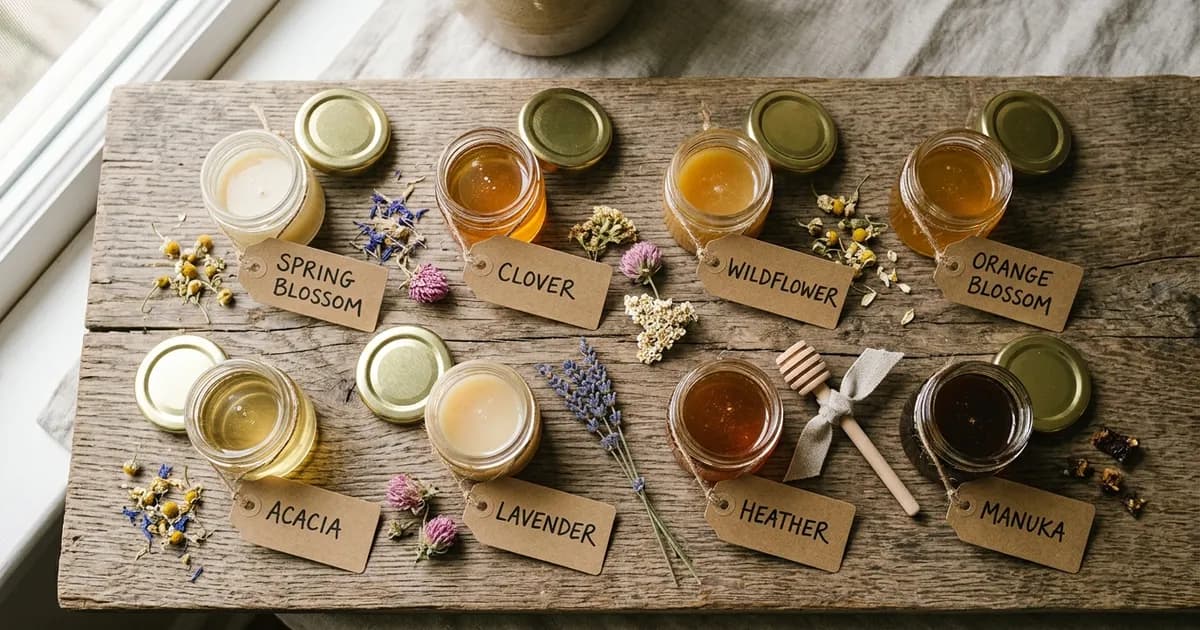
The best honey varieties in Germany 2026: From forest honey to acacia to Manuka — an honest comparison with ratings.
From the Hive
Honey knowledge the supermarket skips
Twice a month: varietals, harvest, origin. Plus 10% off your first order.
10% off your first order · No spam. Unsubscribe anytime.