
The Makers
The Symbolism of Kyrgyz Patterns & Motifs
Last updated:
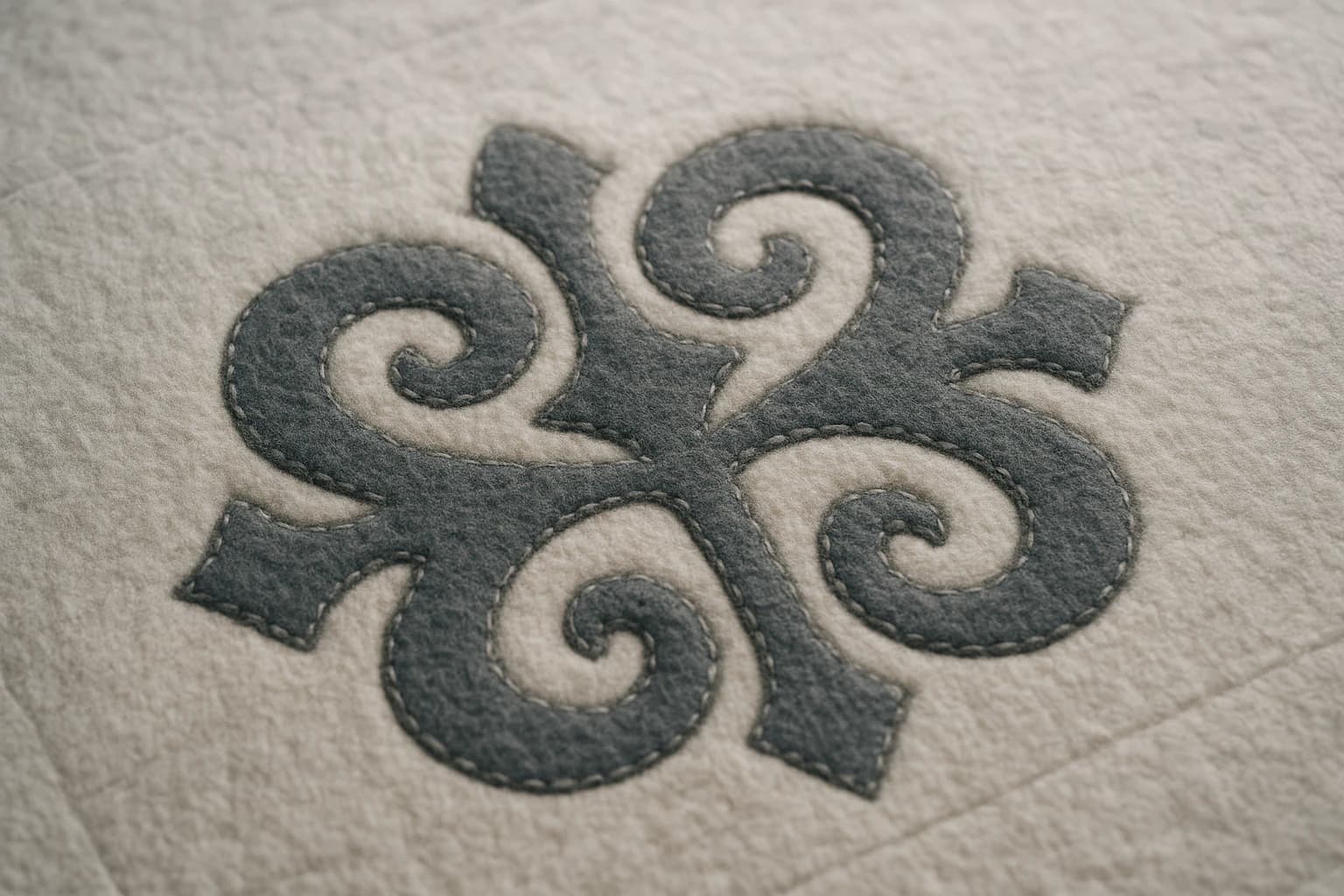
Have you ever admired a handcrafted rug or scarf and felt that the patterns were telling a story you couldn't quite understand? With Kyrgyz textiles, that feeling is not imagination. It is the truth. The ornaments are not random decoration; they are an ancient visual language — a code passed down through generations of nomadic peoples.
Many see only the beauty, but discerning individuals like you, who value authenticity and depth, are looking for more. You want to understand not just a product, but the soul behind it. This guide is your key to decoding them. We dive deep into the symbolism and show you how to read the patterns and recognise the stories woven into every fibre of wool and felt.
The Visual Dictionary: The Most Important Kyrgyz Symbols
The motifs of Kyrgyz art spring directly from the lives of nomads on the highlands of Central Asia. They reflect nature, wildlife, and deep spiritual beliefs. Here is a glimpse into the most common symbols you will find in the modern Shyrdak rugs and textiles from ULU-Style.
[IMAGE]
Kochkor Muyuz -- The Ram's Horn
This is perhaps the most well-known and powerful symbol. The ram represents prosperity, wealth, and strength, as livestock was the most important livelihood for the nomads. A rug adorned with ram's horns is meant to bring its owner good fortune and prosperity. The sweeping, curved lines symbolise the infinite movement of life.
It Kuiruk -- The Dog's Tail
A symbol of friendship and loyalty. The dog was an indispensable companion and protector of herds and families. This pattern is often used in gifts to express deep connection and appreciation.
Tumar -- The Amulet
The triangle is one of the oldest protective symbols in the world. In Kyrgyz culture, the Tumar is used as an amulet to protect the wearer or the home from the "evil eye." Ethnographic studies show that the pointed corners are meant to "confuse" and ward off evil spirits, giving these patterns a profound protective function.
Suu -- Water
Zigzag lines or wave patterns symbolise water, the source of all life. In the dry steppe landscape, water held existential significance. This pattern stands for life, purity, and the ceaseless flow of time.
Buru -- The Crow's Claw
This symbol represents protection, particularly the protection of children. The crow is regarded as a wise and watchful bird. Mothers would weave this symbol into their children's clothing to guard them from harm.
The Hands of the Masters: The Difference Between Shyrdak and Ala-Kiyiz
When evaluating Kyrgyz felt art, you will inevitably encounter two terms: Shyrdak and Ala-Kiyiz. Both are part of the UNESCO-recognised intangible cultural heritage (since 2012), yet their production and value differ fundamentally.
Shyrdak: This is the pinnacle of felt art. Two differently coloured felt sheets are layered on top of each other. The pattern is cut simultaneously from both layers. The cut-out pieces are then reassembled like a mosaic in mirror image and sewn together with dense, robust stitches.
- Quality hallmark: Extremely durable and precise. A high-quality Shyrdak can last up to 100 years.
- Effort: The creation of a single rug can take a group of women two to six months.
Ala-Kiyiz: In this technique, coloured wool fibres are laid onto a dry felt base to create a pattern. The whole piece is then doused with hot water, rolled up, and pressed and kneaded for hours until the fibres felt together.
- Quality hallmark: Softer, painterly transitions reminiscent of watercolour.
- Effort: Considerably faster to produce than a Shyrdak, but also less durable.
The choice between Shyrdak and Ala-Kiyiz is a choice between robust longevity and painterly softness. For an heirloom meant to endure for generations, the Shyrdak is the undisputed choice.
[IMAGE]
From the Hive
Honey knowledge the supermarket skips
Twice a month: varietals, harvest, origin. Plus 10% off your first order.
10% off your first order · No spam. Unsubscribe anytime.
More Than Decoration: The Shamanic Power of Ornaments
To truly understand the patterns, we must acknowledge their shamanic roots. For Kyrgyz nomads, the world was alive with spirits and energies. The ornaments were not merely art, but active spiritual tools.
A felt rug adorned with protective symbols at the entrance of a yurt served as a magical barrier. A Tumar amulet on a child's clothing was a personal shield. The symmetry and repetition of the patterns were intended to bring harmony into life, while complex, interlocking designs were meant to distract and trap evil spirits before they could cause harm. When you own a product bearing these symbols today, you bring into your home not just a piece of craftsmanship, but an echo of this deep, protective tradition.
From the Yurt to the Runway: An Ancient Heritage in the Modern World
The power of these symbols remains unbroken. A new generation of Kyrgyz designers is reinterpreting traditional patterns and integrating them into modern fashion and interior design. They prove that this heritage is not confined to museums, but is living and relevant.
At ULU-Style, we see it as our mission to build this bridge. We work directly with artisan women who have mastered these ancient techniques. In our handcrafted felt products we honour the original meaning of the symbols while giving them a timeless, minimalist form that fits any modern home. Every piece is a dialogue between past and present — proof that true quality and meaningful stories never go out of style.
[IMAGE]
Frequently Asked Questions (FAQ)
How do I recognise an authentic, handcrafted Shyrdak?
Look for the dense, even stitches that join the felt pieces together. Genuine handwork shows tiny irregularities that speak to the personality of the artisan. The felt should be dense and firm, not thin or loose.
Are these patterns found only on rugs?
No, the symbolism permeates all of Kyrgyz culture. You will find it on clothing, bags, the Steppe Ballerinas, and even on everyday objects. Each item tells a story of protection, prosperity, or community.
Why is a handcrafted product from ULU-Style a conscious choice?
Because you are buying more than just a product. You are investing in the preservation of a UNESCO cultural heritage. You are directly supporting the families of artisan women in Kyrgyzstan through fair trade without middlemen. And you are choosing a long-lasting, natural product that — unlike mass-produced goods — possesses a genuine soul and a meaningful story.
Experience the Depth of Tradition
The patterns of Kyrgyzstan are an invitation to look deeper — beyond the surface to the stories of strength, protection, and the inseparable bond with nature. They are proof that the most beautiful things in life are not only light and functional, but also carry a deep, meaningful resonance.
Are you ready to weave a piece of this living history into your life? Discover our collection and find the pattern that tells your story.
Share
The ornaments on Kyrgyz textiles are not random decoration — they are an ancient visual language, a code passed down through generations.
The ram's horn pattern (Kochkor Muyuz) represents prosperity and strength, as livestock was the most important livelihood for the nomads.
The pointed corners of the Tumar amulet are meant to confuse and ward off evil spirits — a protective symbol woven into textiles for centuries.
Frequently Asked Questions
Look for the dense, even stitches that join the felt pieces together. Genuine handwork shows tiny irregularities that speak to the personality of the artisan. The felt should be dense and firm, not thin or loose.
No, the symbolism permeates all of Kyrgyz culture. You will find it on clothing, bags, the [Steppe Ballerinas]() and even on everyday objects. Each item tells a story of protection, prosperity, or community.
Because you are buying more than just a product. You are investing in the preservation of a UNESCO cultural heritage. You are directly supporting the families of artisan women in Kyrgyzstan through fair trade without middlemen. And you are choosing a long-lasting, natural product that — unlike mass-produced goods — possesses a genuine soul and a meaningful story.

Jamilia
Autorin, ULU Magazin
Jamilia schreibt über kirgisisches Handwerk, Honig und die Geschichten hinter den Produkten. Aufgewachsen in Zentralasien, lebt sie zwischen Bischkek und Berlin.
Related Articles
The Makers
What Is Sainfoin Honey? The Complete Guide to a Rare Honey
Some honeys you find in every supermarket. Then there is sainfoin honey.

The Makers
Luxury Honey: What Premium Honey Actually Means
The gap between a €3 supermarket honey and a €40 specialty jar is bigger than most people think. What real quality comes down to.
The Makers
Best Honey in Germany 2026
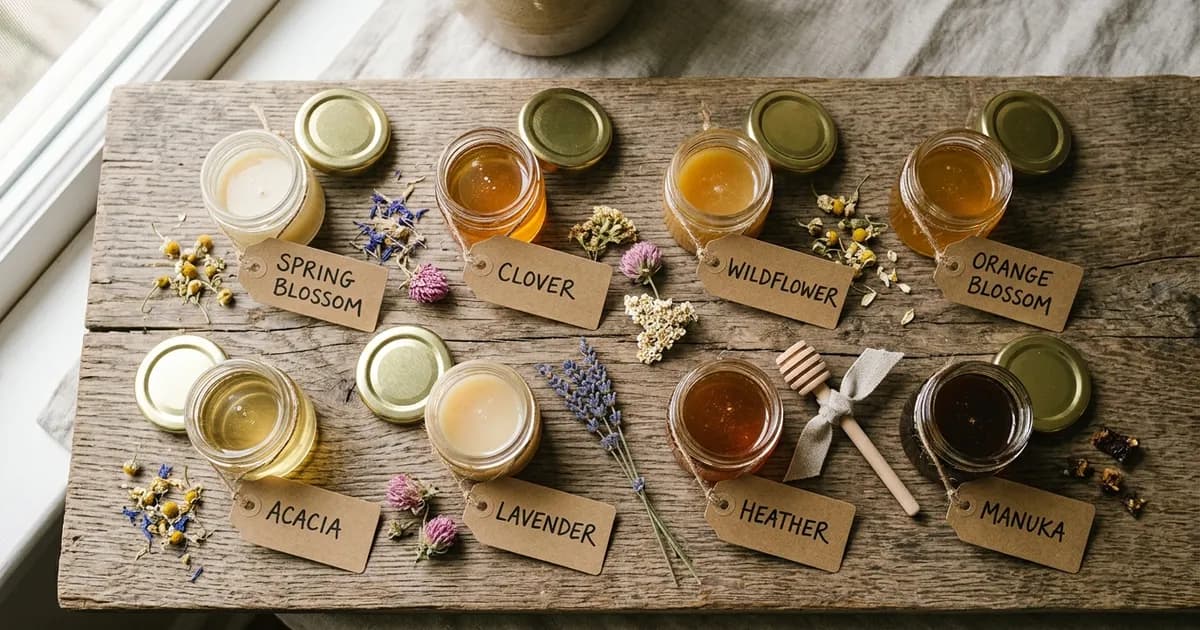
The best honey varieties in Germany 2026: From forest honey to acacia to Manuka — an honest comparison with ratings.
From the Hive
Honey knowledge the supermarket skips
Twice a month: varietals, harvest, origin. Plus 10% off your first order.
10% off your first order · No spam. Unsubscribe anytime.