
The Makers
The Science Behind Highland Wool & Felt Fibres
Last updated:
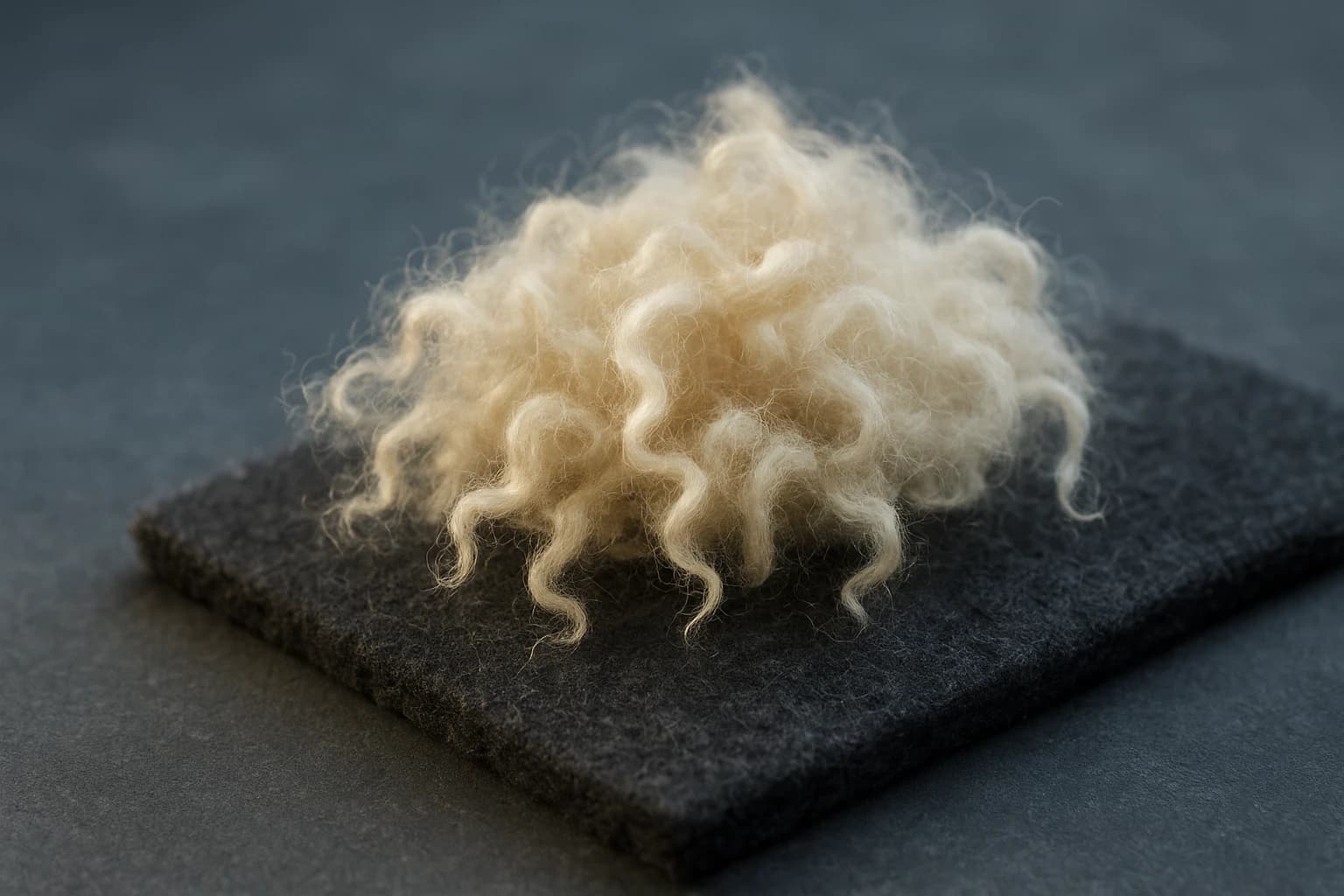
Have you ever wondered how a traditional Kyrgyz yurt effortlessly withstands temperature swings from -30 °C in the depths of winter to +40 °C at the height of summer? The nomads' answer to these unforgiving forces of nature is as simple as it is brilliant: pure highland wool.
If you're currently deciding whether to invest in high-quality textiles or interior products, you've probably already stumbled across various material promises. The market is flooded with synthetic felt imitations made from polyester and heavily promoted Merino wool. But if you truly want to understand why genuine premium felt justifies its price and outperforms synthetic fibres in every respect, you need to take a look through the microscope.
Let us unravel together the physical and chemical properties of Kyrgyz highland wool. As experts in natural premium textiles, we'll show you transparently why this fascinating material is the best choice for long-lasting companions.
The Chemistry of Wool Fibre: Molecular Masterpieces of Nature
The unrivalled durability of genuine virgin wool is no accident — it's the result of evolutionary perfection. Wool consists of roughly 97 percent protein, specifically keratin. That's the same robust building block found in human hair and fingernails.
What makes the wool fibre truly unique, however, is its internal architecture. Textile science studies from renowned institutions such as the University of Bayreuth and RWTH Aachen confirm that the molecular chains in wool are arranged as so-called alpha-helices.
The Molecular Spring
Imagine the alpha-helix as a microscopically small, spiral spring. This structure allows the fibre to withstand extreme stretching and stress. When the wool is bent, compressed, or pulled, the strong disulfide bonds cause it to spring back to its original shape. This precise chemical structure is why high-quality felt products like our Steppe Ballerinas slippers or Shyrdak carpets never develop permanent creases and don't lose their shape even after years of intensive use.
Microscopy & The Wonder of Felting: How an Indestructible Material Is Born
Simply weaving wool is one side of the craft. Felting it, however, requires a deep understanding of the physics of the material. But what actually happens during felting?
If you examine a single wool hair under the microscope, the surface isn't smooth — it's surrounded by a fine layer of scales called the epicuticle. When dry, these scales lie tightly against the fibre shaft, much like the scales of a pine cone.
When the Kyrgyz artisans add hot moisture and apply targeted friction, these scales fan outward. Under pressure, the raised scales of countless individual fibres permanently interlock with one another. The result is an inseparable bond that requires no chemical binders or adhesives whatsoever. Wool felt compressed in this way is virtually indestructible.
From the Hive
Honey knowledge the supermarket skips
Twice a month: varietals, harvest, origin. Plus 10% off your first order.
10% off your first order · No spam. Unsubscribe anytime.
The Big Comparison: Merino Wool vs Kyrgyz Highland Wool
In the textile industry, Merino wool is often considered the absolute gold standard. But that's only half the story. To make the right purchasing decision, we need to consider the intended use and the fibre diameter (measured in micrometres, microns).
The verdict: Merino wool is fantastic if you want a lightweight summer pullover worn directly against the skin. But if you're looking for maximum structure, durability, and abrasion resistance — say, for desk pads, warming slippers, or hard-wearing carpets — Kyrgyz highland wool is far superior to Merino thanks to its physical thickness and robust scale structure.
Moisture Management & Thermoregulation in Everyday Life
One of the most common reservations about felt products is the fear of moisture or uncomfortable heat build-up. The science of natural fibres dispels these concerns in impressive fashion.
The 33% Wonder: Breathability at the Highest Level
Synthetic fibres made from petroleum (polyester) trap moisture, quickly leading to a clammy feeling. Highland wool, by contrast, is an active moisture management system. Thanks to polar carbonyl and amino groups within the fibre, wool can absorb up to 33 percent of its own dry weight in water vapour — highly compressed felt can manage up to 50 percent.
The fascinating part: the moisture is stored inside the fibre, while the outer epicuticle layer simply lets liquid water bead off (the famous lotus effect). That's why our Highland Wool Scarves or felt ballerinas never feel wet — they keep warming you continuously while letting your skin breathe.
Heat Resistance: Why Your Desk Is Safe
Did you know that genuine wool felt is heat-resistant up to 220 °C? It only begins to char at around 320 °C and never melts. Place a boiling-hot coffee cup on a cheap plastic pad, and you risk melt marks and the release of toxic fumes. Genuine wool felt insulates the heat effortlessly. This makes the material not only the perfect choice for protective interior products, but also extremely safe.
The Lanolin Protective Layer: Nature's Defence Against Dirt and Dust
Anyone choosing interior pieces or accessories automatically thinks about maintenance. "Doesn't felt attract an incredible amount of dust?"
The answer is a clear no — provided it's 100% natural, gently processed wool. Unlike synthetic fibres, natural wool doesn't build up a static charge from everyday friction. It is naturally antistatic and actually repels household dust.
In addition, the natural wool fat known as lanolin envelops every single fibre of Kyrgyz highland wool. Lanolin acts like a protective coating. It prevents dirt particles and bacteria from penetrating the fibre. The felt essentially cleans itself through regular airing in slightly humid air. Tedious washing becomes a thing of the past.
FAQ: Your Questions About Highland Wool and Felt Quality
Move light. Live deep. — Ready for Uncompromising Natural Quality?
The choice between synthetic imitations and genuine natural fibre is ultimately a choice for longevity, aesthetics, and real functionality. The science is clear: the architecture of Kyrgyz highland wool offers a durability and thermoregulation that no laboratory in the world can artificially replicate.
ULU brings this centuries-old, ingenious material technology directly from the mountains of Kyrgyzstan to Europe — fairly traded, without middlemen, and 100% lovingly handcrafted.
Experience the difference for yourself. Join us on our journey and secure exclusive order now to our first collection as part of our community. Sign up now and discover products made not just for the moment, but for a lifetime.
Share
Wool consists of roughly 97 percent keratin — the same robust building block found in human hair and fingernails — and its alpha-helix structure acts like a molecular spring.
A traditional Kyrgyz yurt withstands temperature swings from -30 degrees C in winter to +40 degrees C in summer — purely thanks to highland wool.
During felting, the scales on wool fibres splay open under heat and friction, interlocking irreversibly to create a virtually indestructible material.
Frequently Asked Questions
Absolutely. Our wool comes from traditional nomadic herds in the Kyrgyz highlands above 2,500 metres. The animals live in pristine nature, far from industrial factory farming. Mulesing is simply unknown in this form of traditional, respectful sheep husbandry and is not practised.
For underwear worn directly against the skin, it would be too robust. For our intended uses — protective slippers, dense carpets, or warming wrap scarves worn over clothing — it is perfect. Through traditional craftsmanship, the material is woven and felted to create a pleasant, organic hand feel.
In most cases, simply airing it out in fresh (ideally slightly humid) air is perfectly sufficient, since the lanolin repels dirt. For heavier soiling, we recommend spot hand-washing with cold water and a moisturising wool detergent. Avoid washing machines, as heat and mechanical friction will continue the felting process uncontrollably and cause the product to shrink.

Jamilia
Autorin, ULU Magazin
Jamilia schreibt über kirgisisches Handwerk, Honig und die Geschichten hinter den Produkten. Aufgewachsen in Zentralasien, lebt sie zwischen Bischkek und Berlin.
Related Articles
The Makers
What Is Sainfoin Honey? The Complete Guide to a Rare Honey
Some honeys you find in every supermarket. Then there is sainfoin honey.

The Makers
Luxury Honey: What Premium Honey Actually Means
The gap between a €3 supermarket honey and a €40 specialty jar is bigger than most people think. What real quality comes down to.
The Makers
Best Honey in Germany 2026
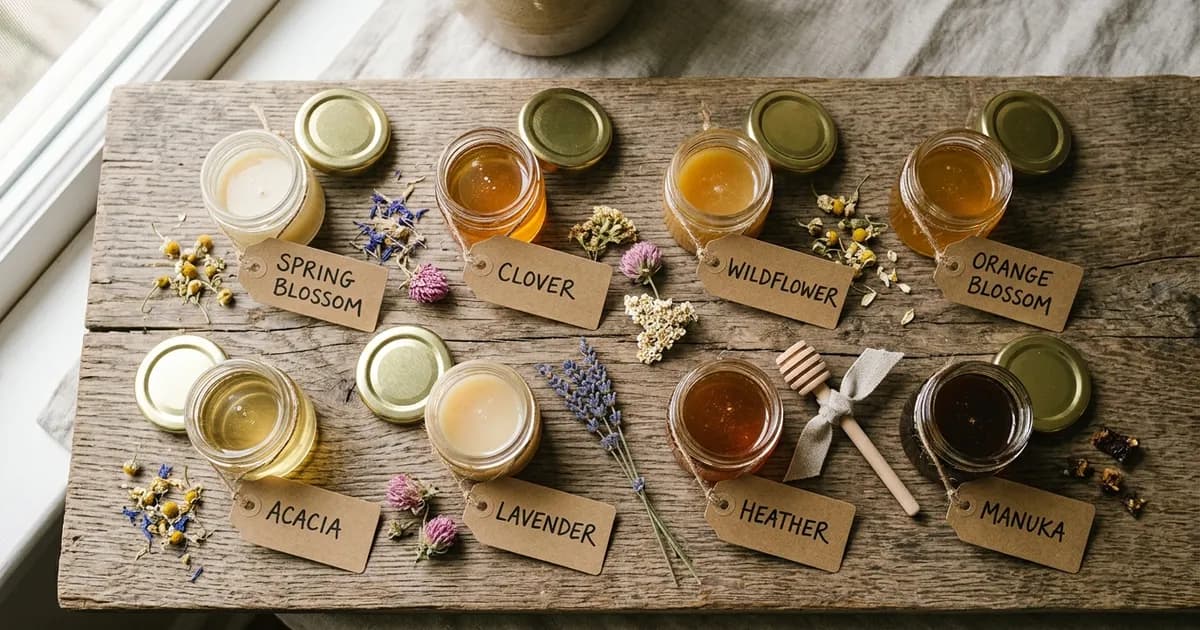
The best honey varieties in Germany 2026: From forest honey to acacia to Manuka — an honest comparison with ratings.
From the Hive
Honey knowledge the supermarket skips
Twice a month: varietals, harvest, origin. Plus 10% off your first order.
10% off your first order · No spam. Unsubscribe anytime.