
The Makers
Wool Felt Slippers: Year-Round Comfort
Last updated:
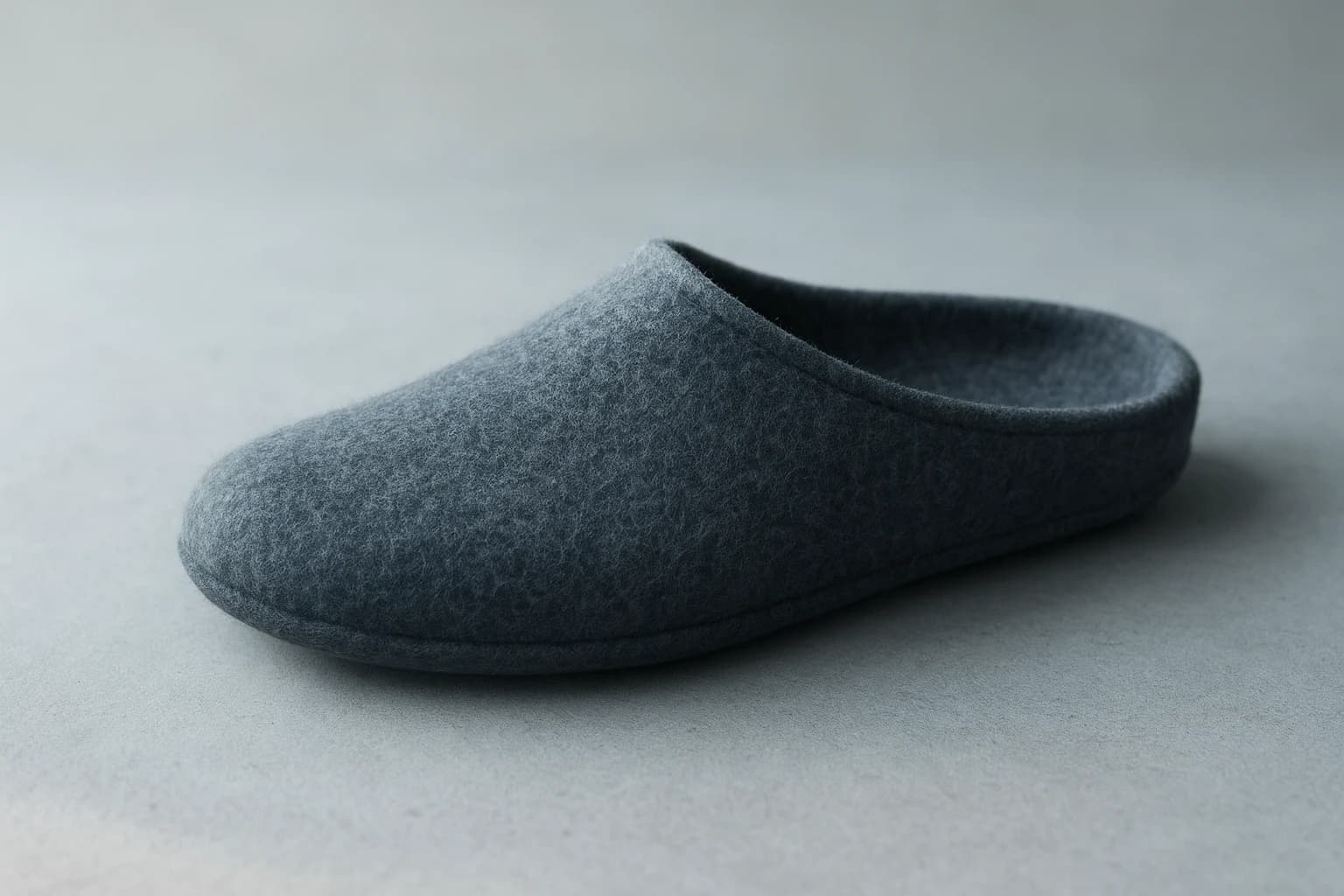
The thought of wool in summer conjures a clear image for many: scratchy jumpers, thick socks, and the feeling of too much warmth. The question of whether slippers made from wool felt — the epitome of winter cosiness — are also a good choice on a mild July evening is more than justified. Is the investment in a high-quality pair truly worthwhile for all 365 days of the year?
Conventional wisdom holds that wool is a pure winter material. But this assumption overlooks the extraordinary, scientifically proven properties that make pure wool one of nature's most intelligent climate managers. Before we dive deep into the subject, here's the clear answer: Yes, wool felt slippers are an excellent choice all year round. And we'll show you why science backs us up.
The Verdict Up Front: Why Wool Felt Excels in Every Season
For those seeking a quick decision: wool felt is not a simple heat store — it's an active temperature regulator.
- In winter: The crimped structure of wool fibres traps countless tiny air pockets. This layer of air acts as natural insulation, keeping the cold from the floor at bay and retaining your foot warmth. The result: consistently warm feet that never overheat.
- In summer: Those same air pockets now insulate against ambient warmth. More importantly, though, is the unmatched breathability. Wool felt actively wicks moisture (sweat) in vapour form away from your skin and releases it into the surroundings. The result is a dry, cool, and comfortable foot climate.
The Science of Comfort: How Wool Felt Regulates Your Foot Climate
To understand why wool felt outperforms other materials so dramatically, we need to take a closer look at the ingenious construction of the wool fibre. Three core properties work together in perfect harmony.
1. The Fibre Structure: Your Personal Insulation Wonder
Every single wool fibre is naturally crimped. When these fibres are processed into dense felt, a three-dimensional network with millions of tiny air pockets is created. In physical terms, air is an extremely poor conductor of heat. This trapped air forms a buffer zone that drastically slows the temperature exchange between your foot and the environment. In winter, your body heat doesn't escape; in summer, external warmth doesn't reach your foot.
2. Moisture Management: A Built-In Drying Mechanism
This is perhaps wool's most impressive property. While cotton absorbs moisture and feels wet, wool can take up an enormous amount of moisture in vapour form without losing its insulating effect.
The data speaks for itself: wool fibres can absorb up to 33% of their own weight in water vapour before feeling damp.
This process is active: the fibre draws perspiration vapour directly away from your skin and locks it within its core. The surface touching your skin stays dry. This prevents the clammy, unpleasant feeling you know from cotton socks or synthetic slippers in summer.
3. Breathability: Heat Out, Comfort In
Breathability means a material allows water vapour to pass through. The dense yet porous structure of wool felt allows the moisture absorbed by the fibre to continuously escape outward and evaporate. This evaporation process creates a gentle cooling effect — the same mechanism our bodies use for self-regulation. Synthetic materials often block this process, leading to heat build-up and sweating. Wool felt, on the other hand, supports your body's natural air conditioning.
From the Hive
Honey knowledge the supermarket skips
Twice a month: varietals, harvest, origin. Plus 10% off your first order.
10% off your first order · No spam. Unsubscribe anytime.
More Than Just Temperature: The Hidden Summer Benefits
Beyond climate regulation, wool felt offers further properties that make it the ideal summer material.
- Natural odour resistance: The wool fat (lanolin) naturally present in the wool has antibacterial properties. It prevents odour-causing bacteria, which thrive in warm, moist environments, from multiplying. The result: your slippers stay fresh even when worn barefoot in summer.
- Hypoallergenic and gentle on the skin: Pure, high-quality wool is extremely gentle on the skin and an excellent choice for allergy sufferers. The fibre structure ensures minimal skin contact and avoids irritation.
Wool Felt in Direct Comparison: A Seasonal Material Check
How does wool felt stack up against other common slipper materials? The overview shows why wool is the clear all-rounder.
This comparison makes it clear: while other materials are optimised for either warmth or cooling, only wool felt offers dynamic adaptation to both extremes.
Choosing the Right Partner: What to Look For
Not every felt slipper is created equal. To ensure year-round comfort, look for crucial quality features that make the difference between a good and an extraordinary slipper.
- 100% pure virgin wool: Only pure, non-recycled wool harnesses the full power of the natural fibre with all its thermoregulating properties. Synthetic blends destroy breathability.
- Artisan craftsmanship: Traditionally fulled and felted wool felt is denser, more durable, and more shape-stable than industrially produced felt. Products like our Steppe Ballerinas made from pure wool felt are crafted by hand in an elaborate process to guarantee a perfect fit and maximum functionality.
- The sole: A flexible leather sole supports the natural rolling motion of the foot and is ideal for indoor use. For occasional trips outdoors, a robust natural rubber sole can be a sensible choice.
The union of traditional craftsmanship and the superior properties of natural materials is at the heart of our philosophy, which is also reflected in our handcrafted Highland Wool Collection.
Care for 365 Days of Comfort
Caring for wool felt slippers is surprisingly straightforward and supports their longevity.
- Airing is everything: Hang your slippers out in fresh air regularly. The wool regenerates itself, neutralises odours, and releases stored moisture.
- Dry cleaning: Let light dirt dry and then brush or tap it off.
- Treating stains: A damp cloth often does the trick. Avoid rubbing vigorously to protect the felt structure.
Frequently Asked Questions (FAQ)
Won't my feet sweat in felt slippers during summer?
No, quite the opposite. The unique moisture management of wool felt actively wicks sweat away from the skin in vapour form before it turns liquid. The result is a noticeably drier and cooler feeling than in cotton or synthetic slippers, where moisture accumulates.
Are wool felt slippers worth the higher price?
Absolutely. You're investing not just in a slipper, but in a year-round foot climate system. The longevity of high-quality, handcrafted wool felt far exceeds that of cheaper alternatives. Instead of buying new summer and winter slippers every year, you have a durable, sustainable partner for your feet.
What's the difference between wool felt and ordinary craft felt?
The difference is enormous. High-quality wool felt, as used for footwear, is made from 100% pure virgin wool that has been compacted into an extremely dense and robust material through moisture, heat, and friction (fulling). Craft felt is often a thin non-woven fabric made from synthetic fibres, lacking any thermoregulating or breathable properties.
Conclusion: More Than a Slipper — A Climate for Your Feet
Scepticism about wool in summer is understandable, but it's based on a misunderstanding of wool's true nature. Wool felt is not a passive heat store — it's a highly intelligent, active material that adapts to your feet's needs.
Choosing a wool felt slipper is choosing uncompromising comfort, a dry and healthy foot climate every day of the year. It's an investment in nature's superior technology and in a product that proves true luxury lies in functionality, sustainability, and timeless design.
Share
Wool fibres can absorb up to 33% of their own weight in water vapour before feeling damp.
Wool felt is not a simple heat store but an active temperature regulator — warm in winter, cool in summer.
The crimped structure of each wool fibre traps millions of tiny air pockets that dramatically slow the temperature exchange between foot and environment.
Frequently Asked Questions
No, quite the opposite. The unique moisture management of wool felt actively wicks sweat away from the skin in vapour form before it turns liquid. The result is a noticeably drier and cooler feeling than in cotton or synthetic slippers, where moisture accumulates.
Absolutely. You're investing not just in a slipper, but in a year-round foot climate system. The longevity of high-quality, handcrafted wool felt far exceeds that of cheaper alternatives. Instead of buying new summer and winter slippers every year, you have a durable, sustainable partner for your feet.
The difference is enormous. High-quality wool felt, as used for footwear, is made from 100% pure virgin wool that has been compacted into an extremely dense and robust material through moisture, heat, and friction (fulling). Craft felt is often a thin non-woven fabric made from synthetic fibres, lacking any thermoregulating or breathable properties.

Jamilia
Autorin, ULU Magazin
Jamilia schreibt über kirgisisches Handwerk, Honig und die Geschichten hinter den Produkten. Aufgewachsen in Zentralasien, lebt sie zwischen Bischkek und Berlin.
Related Articles

The Makers
What Is Sainfoin Honey? The Complete Guide to a Rare Honey
Some honeys you find in every supermarket. Then there is sainfoin honey.

The Makers
Luxury Honey: What Premium Honey Actually Means
The gap between a €3 supermarket honey and a €40 specialty jar is bigger than most people think. What real quality comes down to.
The Makers
Best Honey in Germany 2026
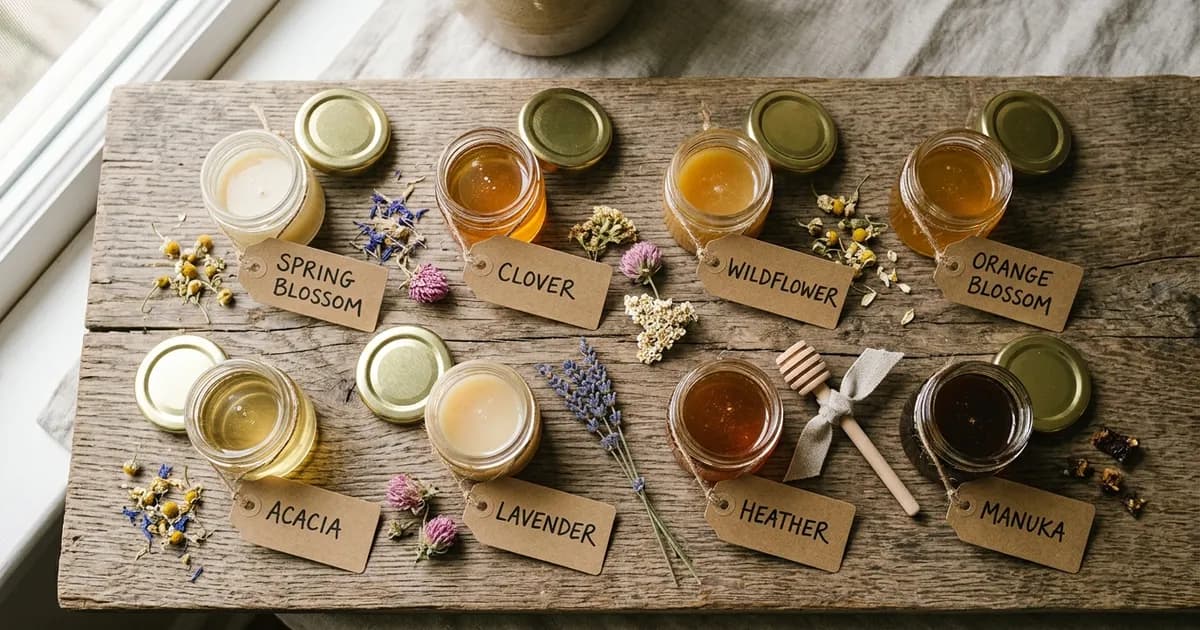
The best honey varieties in Germany 2026: From forest honey to acacia to Manuka — an honest comparison with ratings.
From the Hive
Honey knowledge the supermarket skips
Twice a month: varietals, harvest, origin. Plus 10% off your first order.
10% off your first order · No spam. Unsubscribe anytime.