
Travel Light
Responsible Tourism in Kyrgyzstan: Travelling with Purpose
Last updated:
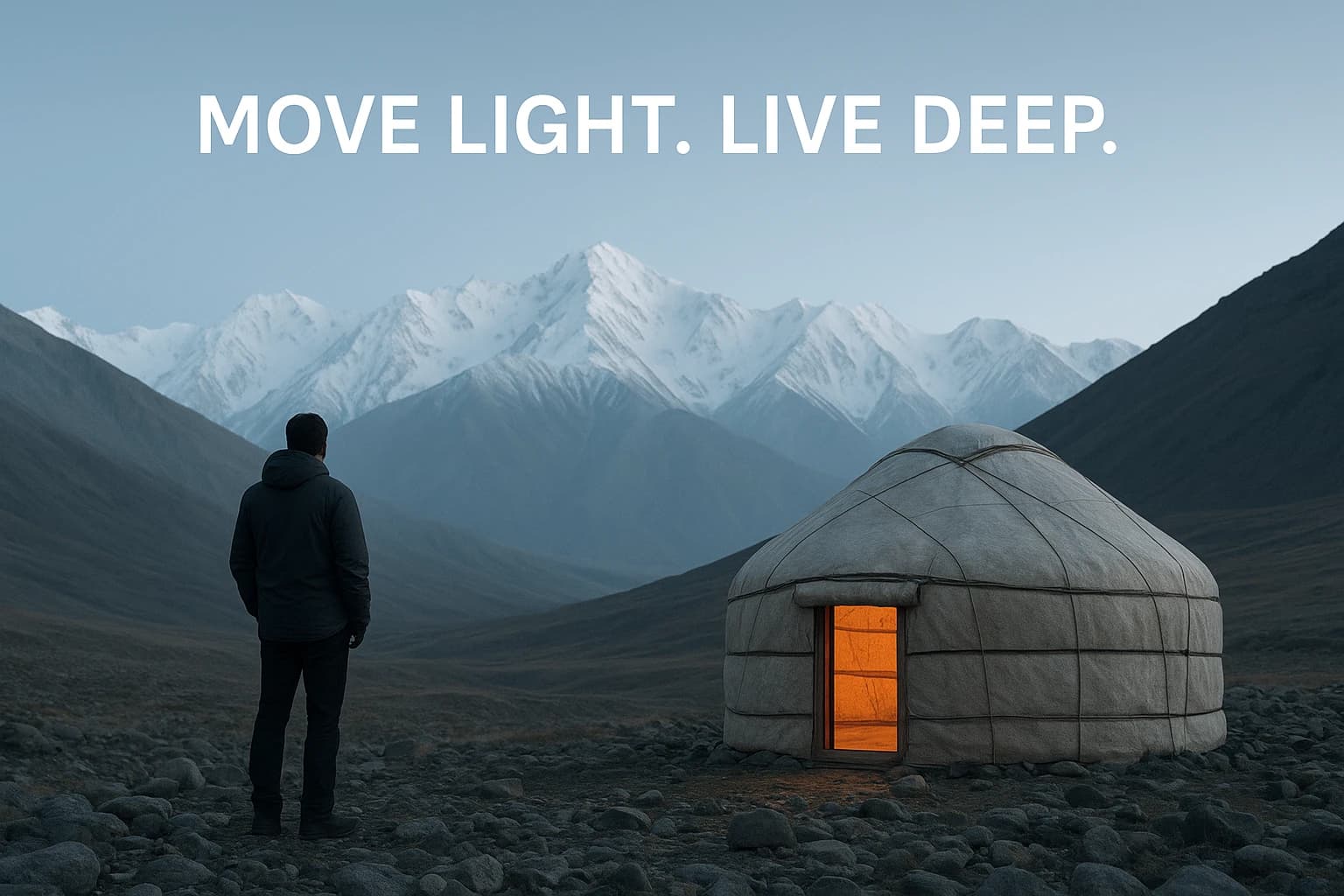
Anyone planning a trip to the other side of the world today is often looking for more than just relaxation. Perhaps you know this feeling: the Western pressure to perform becomes too much, and the thought of "travel as escape" creeps in. Yet the standard package-holiday conveyor belt of mass tourism often leaves an inner emptiness and a massive ecological footprint.
If you are searching for exotic journeys that slow you down mentally while making a genuine, positive difference, your path leads inevitably to Kyrgyzstan. In the vast expanses of the Tian Shan mountains, the very concept of travel is being redefined. Here, eco-friendly travel does not mean going without. It means gaining the deepest possible access to a millennia-old nomadic culture.
In this guide, you will learn how sustainable tourism in Kyrgyzstan works in practice, why your visit is vital for the local population, and how ULU's philosophy can turn you into a traveller who does not just consume, but preserves.
The End of the Classic Holiday Escape: The Harsh Reality vs. the Kyrgyz Way
The numbers speak clearly: Kyrgyzstan is growing rapidly as a destination. With roughly 8.9 million international arrivals in 2024, the country is increasingly appearing on the radar of global travellers. Yet while other parts of Asia bend their infrastructure to accommodate mass tourism, the real, raw mountain world of Kyrgyzstan remains an exclusive experience for conscious explorers.
The difference lies in the system. When you decide to travel to Kyrgyzstan, you face a clear choice. You can take the convenient route through large foreign tour operators — or you can choose Community-Based Tourism (CBT).
According to reports from the World Tourism Forum and the NGO Helvetas, the tourism sector currently contributes roughly 4.3% to Kyrgyzstan's gross domestic product (GDP). With classic mass tourism, a large share of this money flows straight back abroad through the so-called leakage effect. Things are different in Kyrgyzstan: the Kyrgyz Community Based Tourism Association (KCBTA) has created a network that ensures your travel spending arrives exactly where it is needed.
What Does Your Money Actually Achieve? The Transparency Check
At ULU, we believe in radical transparency. Whether we are bringing traditionally handcrafted Shyrdak rugs to Europe or showing you how to travel the country — the principle "Move light. Live deep." remains the same.
When you choose responsible homestays or yurt camps, you change lives. Data from the Earth Journalism Network and the University of Central Asia (UCA) show that families in rural regions like Naryn or Alay who participate in CBT initiatives derive 15 to 20% of their entire annual income directly from sustainable tourism.
Consider what that means in real terms:
- 3 nights in a homestay often fund a child's school supplies for an entire year.
- Booking a local horse guide preserves traditional riding routes and protects the high pastures from commercial exploitation.
- Buying felt products on the ground strengthens the financial independence of women's cooperatives in remote mountain villages.
From the Hive
Honey knowledge the supermarket skips
Twice a month: varietals, harvest, origin. Plus 10% off your first order.
10% off your first order · No spam. Unsubscribe anytime.
ULU: The Philosophy of Conscious Exploration
The ULU approach is more than a label for fair-trade wool or white mountain honey. It is an ethical framework, a way of life that translates seamlessly to travel. When you travel the ULU way, you combine the modern demand for environmental protection with the radical, heartfelt hospitality of the Kyrgyz nomads.
You meet people who live at altitudes above 2,500 metres in harmony with the seasons. Instead of rushing through the country as an anonymous tourist, you become a guest on equal footing. You travel light — without unnecessary plastic waste and without Western expectations of five-star luxury — and live all the more intensely for it. The real currency in Kyrgyzstan is not the dollar but respect for nature and traditions.
How Do You Want to Experience Kyrgyzstan? Your Personal Travel Compass
The decision to visit Kyrgyzstan rarely happens by chance. It usually springs from a very specific inner need.
Solo Travel: Finding Yourself in the Tian Shan Mountains
For many who set out alone, Kyrgyzstan is the ultimate destination. Solo travel in Central Asia may sound daunting at first. But the close-knit network of CBT projects offers solo travellers a remarkable safety net. In the yurt camps, you are never truly alone. You share the dinner table with the host family, learn from the shepherds, and find in the majestic silence of the mountains the space for genuine mental deceleration. It is an empowerment that no retreat in the world can offer in such raw form.
Travelling as Two: Raw Exoticism Instead of Backpacker Clichés
If you are travelling as a couple, you are probably looking for experiences that connect you. Kyrgyzstan offers the exact opposite of overcrowded Central American routes. It is a romantic yet raw kind of exoticism. Crossing a 3,000-metre pass together, sitting under the clearest starry sky in the world in complete darkness, warming up by the stove in a yurt — these are experiences that take a relationship to an entirely new level.
The Ethical Compass: Practical Guidelines on the Ground
Responsible tourism requires preparation. When you travel the ULU way, you should internalise these core principles. We will share deeper insights into specific conservation initiatives in upcoming articles, but here are the most important dos and don'ts:
- Respect the yurt: The yurt (Boz-ui) is a sacred space. Never step on the threshold when entering, and move clockwise inside, as tradition requires.
- Minimise plastic: There is no rubbish collection in the mountains. Every piece of packaging you bring in, you must carry back down to the valley. Better yet: filter your water from the clear mountain streams instead of buying plastic bottles.
- Negotiate fairly, do not exploit: Bargaining is part of bazaar culture, but do not haggle the prices of handmade felt products or your guides' services down to rock bottom. You are negotiating directly over a family's livelihood.
- Ask before photographing: The Kyrgyz people are extremely hospitable, but nobody wants to be merely a photo opportunity. Take the time for a conversation (with hand gestures or a translation app) before you raise your camera.
Frequently Asked Questions (FAQ) on Sustainable Tourism in Kyrgyzstan
Is eco-friendly travel in Kyrgyzstan exhausting or does it mean pure sacrifice? Quite the opposite. It means giving up artificial staging. You trade the sterile hotel pool for crystal-clear mountain lakes and standardised buffet food for handmade, regional specialities. The homestay infrastructure is simple, but the incredible warmth of the hosts makes you feel at home right away.
How do I make sure my money actually reaches local families? Book your accommodation and tours directly through local initiatives like the Kyrgyz Community Based Tourism Association (KCBTA) or partners who specialise in direct trade. Avoid large Western agencies that only feature Kyrgyzstan as a stopover on a Silk Road bus tour.
Is Kyrgyzstan safe for solo travellers, especially women? Yes. Kyrgyzstan is considered one of the safest travel destinations in Central Asia. Nomadic culture is strongly shaped by an unwritten law of hospitality and mutual protection. Through the official CBT networks, you also always have reliable local contacts.
What is ULU's connection to tourism? Our mission at ULU is to build a bridge between European and Kyrgyz culture. Through direct trade in handcrafted highland wool, Shyrdak rugs, and white mountain honey, we support the very same communities you visit on your travels. We share our expertise so you can experience the country with the same respect and fascination that lives in every one of our products.
Your Next Step: Become Part of the Movement
A trip to Kyrgyzstan begins long before the flight. It begins with the decision to take responsibility and broaden your horizons in an ethical way.
Are you ready to leave mass tourism behind and make the philosophy of "Move light. Live deep." your own? Sign up for our newsletter and get exclusive access to our ULU community. Discover our handcrafted collections, meet the faces behind the products, and prepare yourself with our in-depth guides for your journey to the heart of Central Asia.
Share
Kyrgyzstan recorded roughly 8.9 million international arrivals in 2024 — the country is increasingly appearing on the radar of conscious travellers.
The tourism sector contributes roughly 4.3% to Kyrgyzstan's GDP — with Community-Based Tourism, the money reaches families directly.
Families in rural regions participating in CBT initiatives derive 15 to 20 percent of their entire annual income directly from sustainable tourism.
Frequently Asked Questions
Quite the opposite. It means giving up artificial staging. You trade the sterile hotel pool for crystal-clear mountain lakes and standardised buffet food for handmade, regional specialities. The homestay infrastructure is simple, but the incredible warmth of the hosts makes you feel at home right away.
Book your accommodation and tours directly through local initiatives like the Kyrgyz Community Based Tourism Association (KCBTA) or partners who specialise in direct trade. Avoid large Western agencies that only feature Kyrgyzstan as a stopover on a Silk Road bus tour.
Yes. Kyrgyzstan is considered one of the safest travel destinations in Central Asia. Nomadic culture is strongly shaped by an unwritten law of hospitality and mutual protection. Through the official CBT networks, you also always have reliable local contacts.
Our mission at ULU is to build a bridge between European and Kyrgyz culture. Through direct trade in handcrafted highland wool, Shyrdak rugs, and white mountain honey, we support the very same communities you visit on your travels. We share our expertise so you can experience the country with the same respect and fascination that lives in every one of our products.

Jamilia
Autorin, ULU Magazin
Jamilia schreibt über kirgisisches Handwerk, Honig und die Geschichten hinter den Produkten. Aufgewachsen in Zentralasien, lebt sie zwischen Bischkek und Berlin.
Related Articles
Travel Light
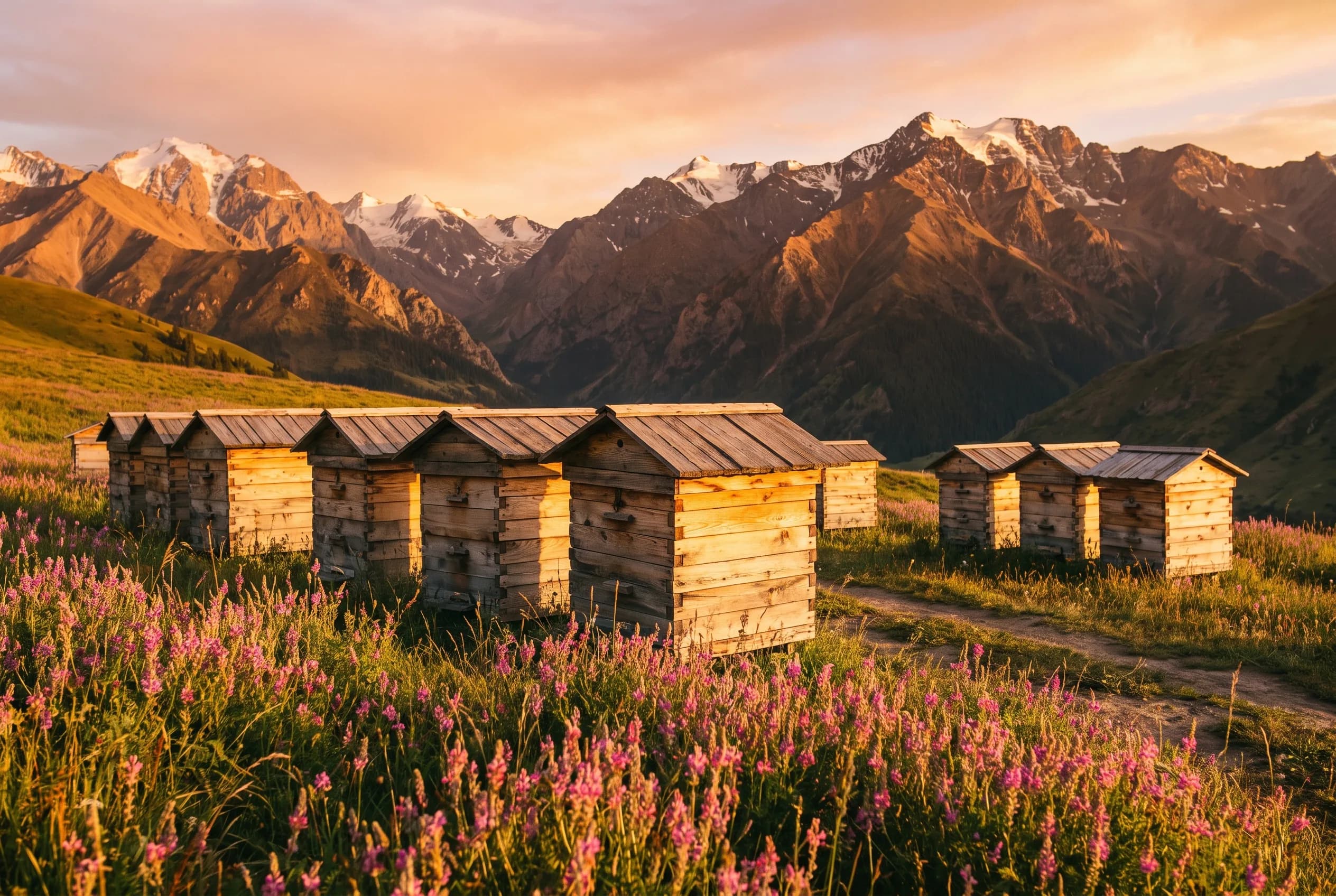
More Than Just Honey: The Liquid Gold of Kyrgyzstan
If you are looking for genuine Kyrgyz honey, you face a real challenge. You will find countless offers, yet most raise more questions than they answer. Where exactly does this honey come from? Who are the people behind it? And what truly makes it special enough to justify a higher price?
Travel Light
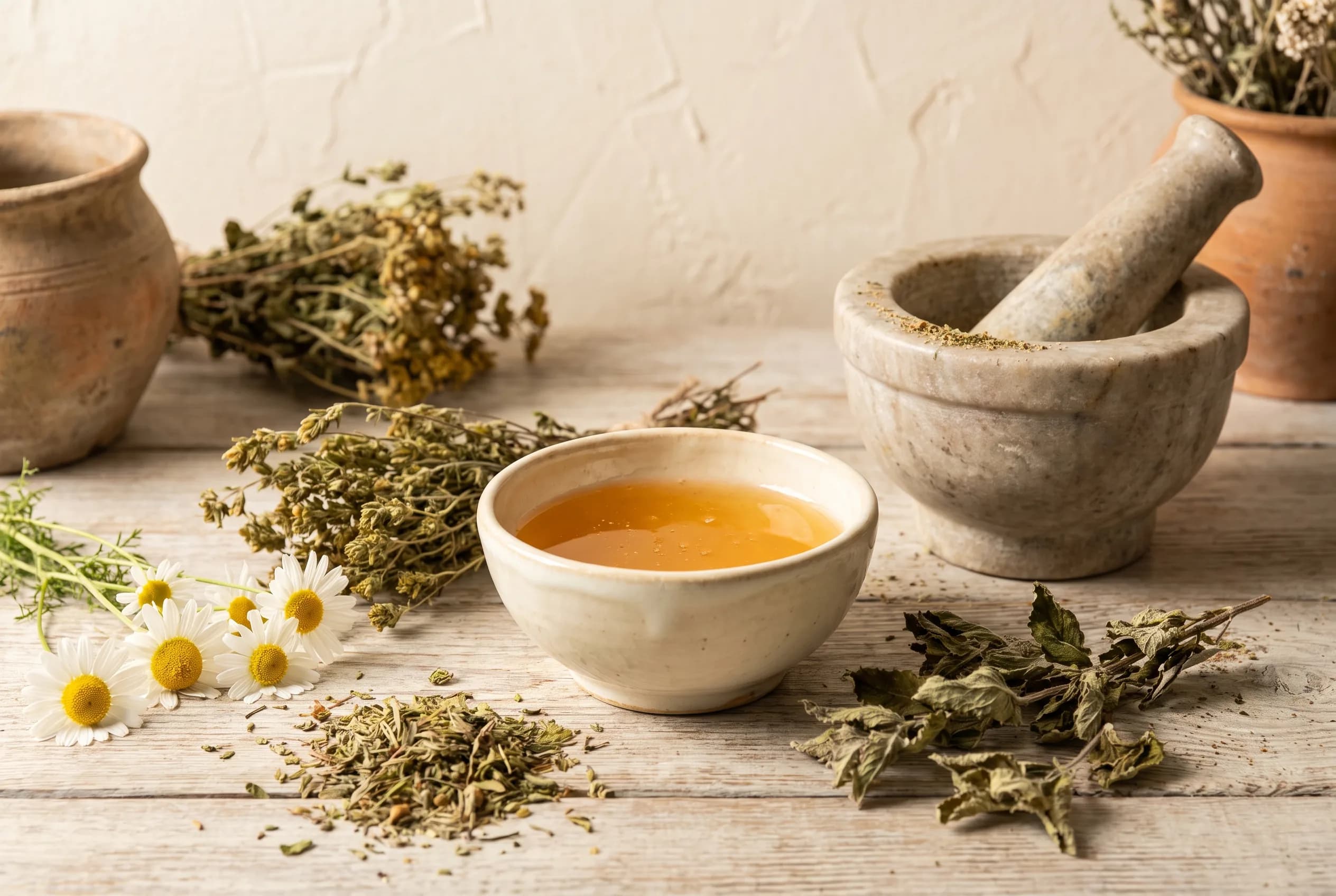
Kymyz, Juniper Smoke and Pilgrim Springs: Rituals of the Kyrgyz Nomads
Kymyz from a wooden vessel, juniper smoke before moving in, springs with their own legends on Issyk-Kul: three rituals that still shape the Kyrgyz nomads' summer.
Travel Light
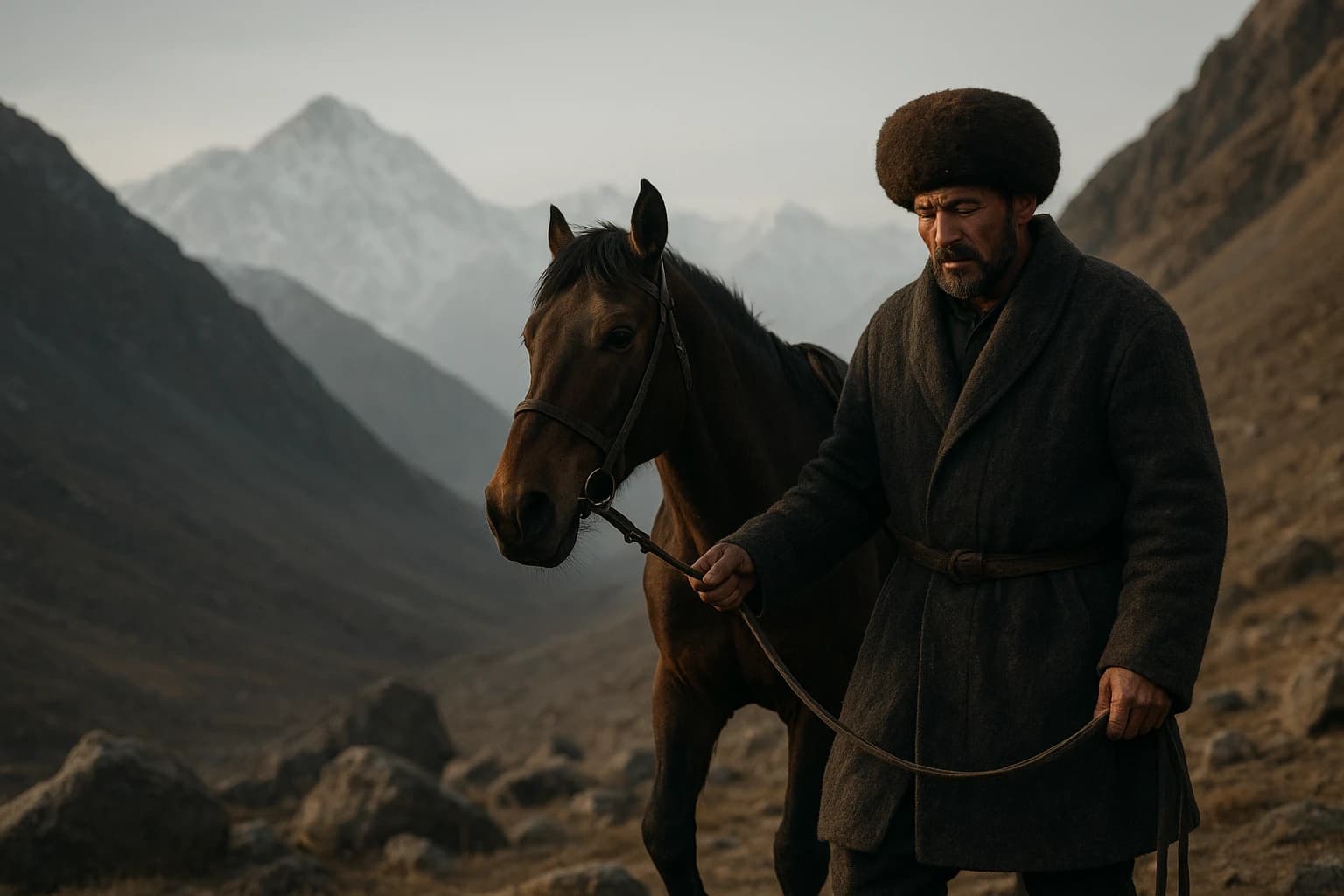
The Historic Silk Road in Kyrgyzstan Tracing Ancient Trade Routes
Forget for a moment the image of a single, well-paved road connecting East and West. Instead, picture a 6,400-kilometre network of rugged mountain passes, hidden caravanserais, and cities now partly lost to time in the heart of Central Asia.
From the Hive
Honey knowledge the supermarket skips
Twice a month: varietals, harvest, origin. Plus 10% off your first order.
10% off your first order · No spam. Unsubscribe anytime.