
Travel Light
Kymyz, Juniper Smoke and Pilgrim Springs: Rituals of the Kyrgyz Nomads
Last updated:
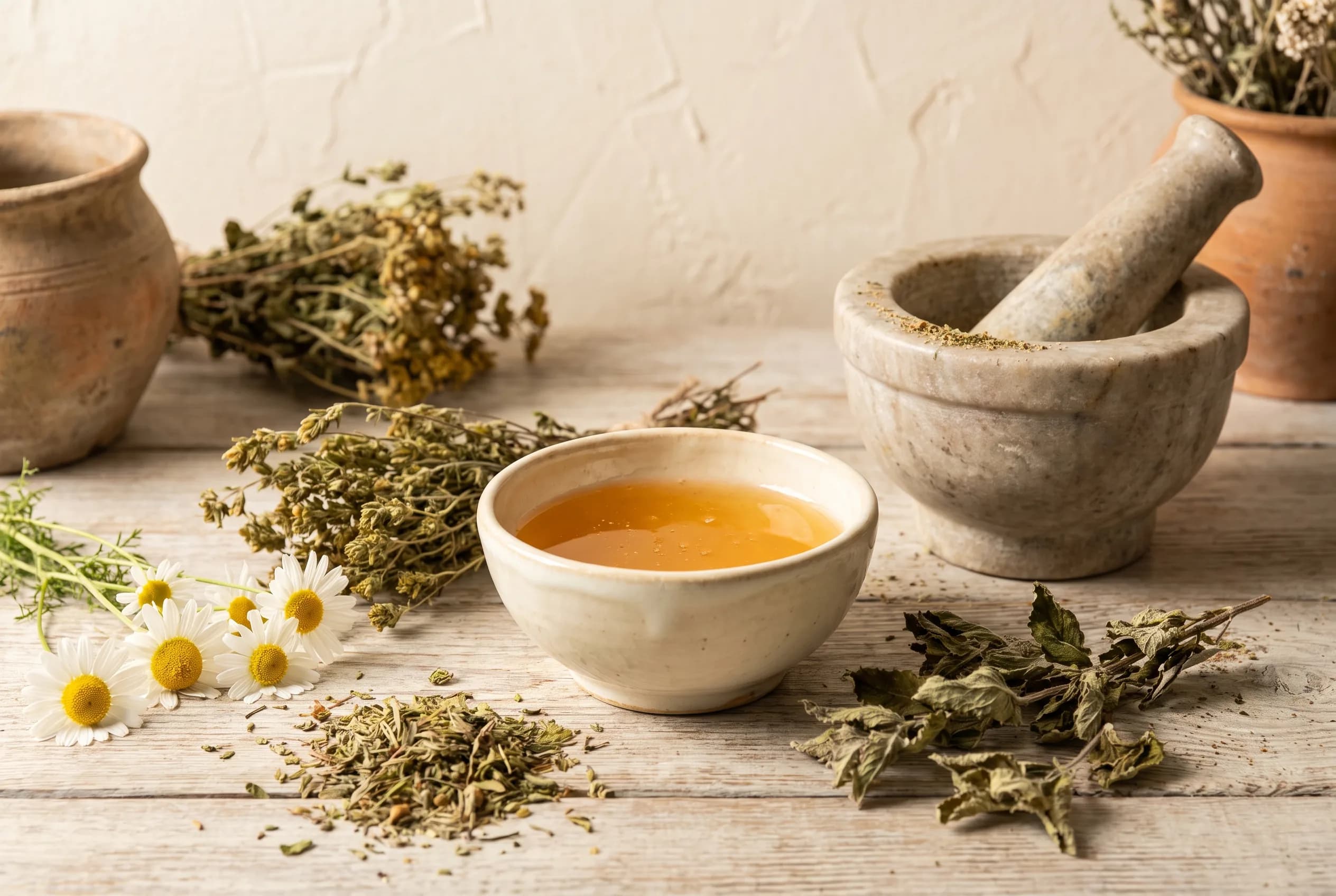
Kymyz from a wooden vessel, juniper smoke before moving in, springs with their own legends on the shore of Issyk-Kul. Drive through the Kyrgyz highlands in summer and you will meet all three. They are not folklore staged for visitors. They give the year its order.
Kymyz: the drink of summer
Kymyz is fermented mare's milk. For the steppe peoples of Turkic and Mongolic origin it has been part of daily life for centuries. In the 5th century BC, Herodotus described how the Scythians processed mare's milk. It is the oldest mention in a Western text.
Kymyz is made in deep wooden vessels called kubi. Traditionally, the inside is coated with butter before the milk goes in. Then it is stirred, over hours or days. In the past the milk also fermented in horse-hide containers, left on the roof of the yurt or strapped to a saddle and jolted along for a day's ride. The result is a drink with little alcohol, between 0.7 and 2.5 percent.
Kymyz has a season. Milking the mares traditionally began with the move to the summer pastures, where families set up their yurts. Today you can buy kymyz bottled in supermarkets and order it in cafés. A newer trend is the kymyz house, the kymyz-khana, where visitors can try different kinds.
Juniper smoke: a space made ready
Archa, the Kyrgyz name for juniper, is burned on many occasions. When moving into a new home or starting a new venture, juniper branches are burned to cleanse the space and invite good fortune. The custom stands for purification and for keeping evil spirits away. The smoke, so people believe, carries prayers and wishes to the heavens.
From the Hive
Honey knowledge the supermarket skips
Twice a month: varietals, harvest, origin. Plus 10% off your first order.
10% off your first order · No spam. Unsubscribe anytime.
Manjyly-Ata: seventeen springs and their legends
On the southern shore of Issyk-Kul, between the villages of Kaji-Sai and Ton, lies the valley of Manjyly-Ata. It holds 17 springs, revered trees and the graves of Sufi and Islamic saints. Most of the springs have their own legend. The valley is mentioned in the Manas epic.
Pilgrims came as early as the time of Tengrism, the old sky religion of the region. After the region turned to Islam, they kept coming. Manjyly-Ata is still a place where people from the area come to pray.
Baksy: between two worlds
The baksy were the shamans of the Kyrgyz and Kazakhs. Their tradition did not disappear with Islam: their successors carried remnants of shamanism into the present and found their place in society. Many older beliefs lived on alongside the new faith.
Shamans, most of them women, still play a visible role at funerals, memorials and other ceremonies.
What remains
Kymyz in summer, smoke when moving in, a prayer at the spring: these customs belong to places and seasons, not to books. You learn them by being there.
Our mountain honey comes from the same highlands: from beekeepers in the Tian Shan, at 2,400 to 3,500 metres. More about life on the summer pastures is in our article on the yurt culture of the nomads.
Share
The smoke, so people believe, carries prayers and wishes to the heavens.
Most of the springs have their own legend.
Frequently Asked Questions
Kymyz is fermented mare's milk, a traditional drink of the Central Asian steppe peoples. It contains little alcohol, between 0.7 and 2.5 percent.
In summer. Milking the mares traditionally began with the move to the summer pastures, where families set up their yurts. Today kymyz is also sold bottled in supermarkets and served in cafés.
When moving into a new home or starting a new venture, juniper branches are burned to cleanse the space and invite good fortune. The smoke is believed to carry prayers and wishes to the heavens.
A valley on the southern shore of Issyk-Kul between Kaji-Sai and Ton, with 17 springs, graves of saints and revered trees. It has been a place of pilgrimage since the time of Tengrism and is still a place of prayer today.

Jamilia
Autorin, ULU Magazin
Jamilia schreibt über kirgisisches Handwerk, Honig und die Geschichten hinter den Produkten. Aufgewachsen in Zentralasien, lebt sie zwischen Bischkek und Berlin.
Related Articles

Travel Light
Responsible Tourism in Kyrgyzstan: Travelling with Purpose
Anyone planning a trip to the other side of the world today is often looking for more than just relaxation. Perhaps you know this feeling: the Western pressure to perform becomes too much, and the thought of "travel as escape" creeps in. Yet the standard package-holiday conveyor belt of mass tourism often leaves an inner emptiness and a massive ecological footprint.
Travel Light
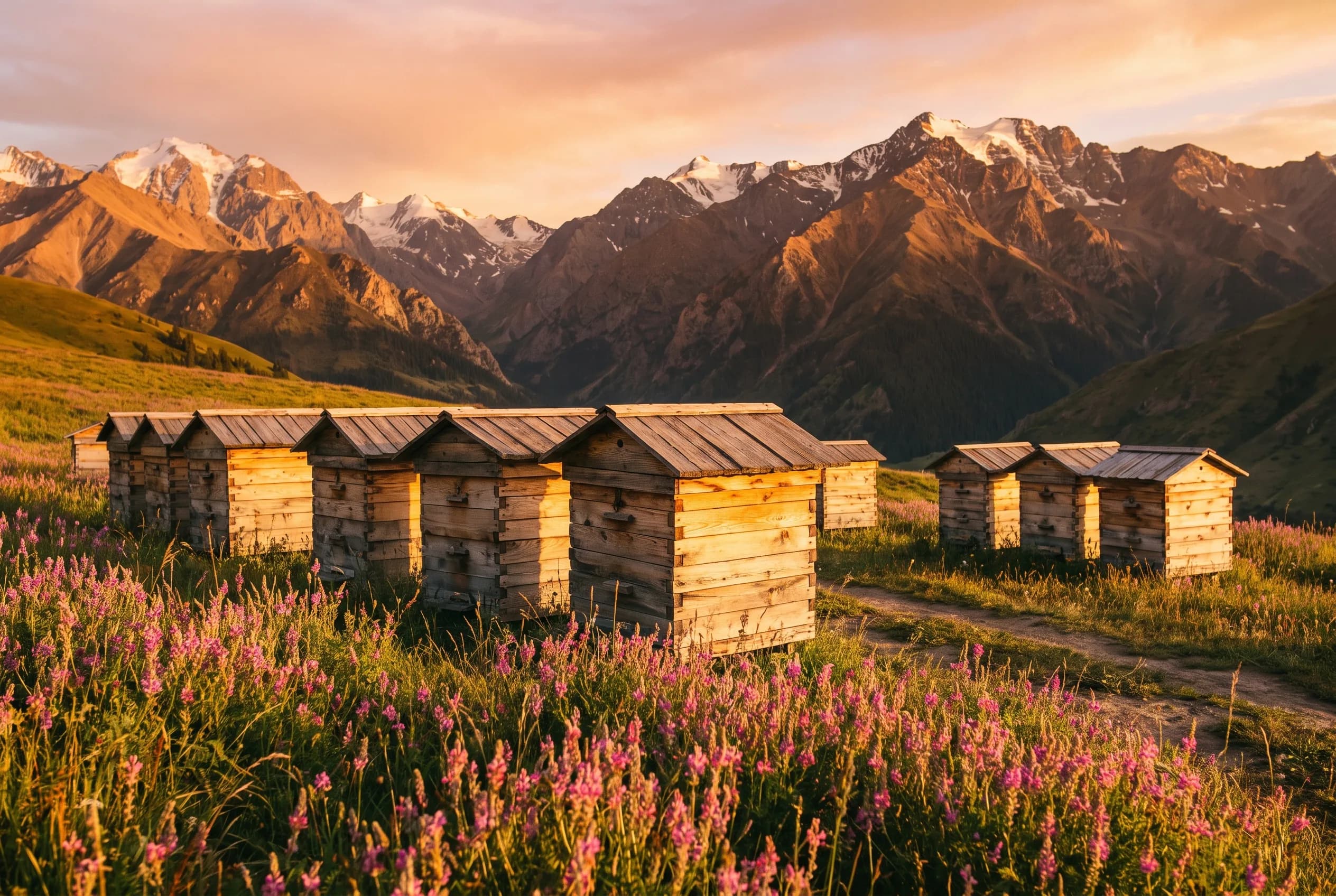
More Than Just Honey: The Liquid Gold of Kyrgyzstan
If you are looking for genuine Kyrgyz honey, you face a real challenge. You will find countless offers, yet most raise more questions than they answer. Where exactly does this honey come from? Who are the people behind it? And what truly makes it special enough to justify a higher price?
Travel Light
The Historic Silk Road in Kyrgyzstan Tracing Ancient Trade Routes
Forget for a moment the image of a single, well-paved road connecting East and West. Instead, picture a 6,400-kilometre network of rugged mountain passes, hidden caravanserais, and cities now partly lost to time in the heart of Central Asia.
From the Hive
Honey knowledge the supermarket skips
Twice a month: varietals, harvest, origin. Plus 10% off your first order.
10% off your first order · No spam. Unsubscribe anytime.